
Property Advice
Advice on buying, renting and selling property in Kenya, plus neighbourhood guides, decor ideas and market news.




Subscribe to our newsletter
Expert property news, straight to your inbox.
Browse by category or keyword
All articles
587 articles · page 2 of 49

Can Landlords Ask for Proof of Income Before Renting You a House? What Kenyan Tenants Need to Know
Recent reports have highlighted that some Kenyan landlords and property managers are asking prospective tenants for information. In markets such as the UK, tenant referencing has been part of renting for years. A payslip might make it easy to verify one person’s income. It doesn’t necessarily tell you much about someone running a business or earning from several clients. Finding a house may no longer be only about whether you can afford the rent. Increasingly, it could also be about being able to prove that you can. For as long as many of us can remember, finding a rental home has followed a fairly simple process. You have a budget. You search for a property. You find one you like, go for an inspection, agree on the terms and, once everything is settled, s

Stability or Stagnation? What the CBK’s 8.75% Rate Hold Means for Kenyan Homebuyers
On August 11, 2026, the Central Bank of Kenya (CBK) announced that it would keep the Central Bank Rate (CBR) at 8.75%. The Central Bank Rate, or CBR, is the interest rate set by the Central Bank of Kenya to guide the cost of borrowing in the economy. Inflation rose slightly to 6.5% in July from 6.4% in June, but remained within the CBK’s target range of 2.5% to 7.5%. A stable CBR gives potential buyers something valuable: a little more certainty. If you have been thinking about buying a home, taking out a mortgage or even refinancing an existing loan, you may have come across some financial news recently: the Central Bank of Kenya (CBK) has kept its Central Bank Rate at 8.75%. But what does that actually mean?

Could Your Mortgage Rate Go Up? What the Latest Court Ruling Means
On 13 August, the High Court temporarily suspended a requirement under Section 44 of the Banking Act that requires banks to get approval from the National Treasury before increasing interest rates on loans. In simple terms, banks currently have more room to adjust loan rates without first going to the Treasury for approval. Whether your rate can change will still depend on the terms of your mortgage agreement, including whether you have a fixed or variable rate. Don’t assume your mortgage rate is going up. But do understand the terms of your loan and keep an eye on any changes from your bank. You take out a mortgage, agree on an interest rate and work out a monthly repayment you can live with. Then you hear that banks may now be able to increase loan

The Housing Levy Is Getting Serious. What Happens If You Don’t Pay?
The Kenya Revenue Authority (KRA) is now stepping up enforcement against those who haven’t paid what they owe. Since its introduction, the levy has also raised plenty of questions about how it works, how the money is being used and what it means for people hoping to access affordable housing. If you’re an employee and your levy is already being deducted from your salary, this doesn’t necessarily mean you suddenly have another payment to make. And with enforcement now becoming more serious, it’s a conversation that’s worth paying attention to. If you’re employed, there’s a good chance the Affordable Housing Levy is something you notice on your payslip every month. You probably see the deduction, wonder where the money is going, and
The Dual Impact of the Housing Levy in Kenya
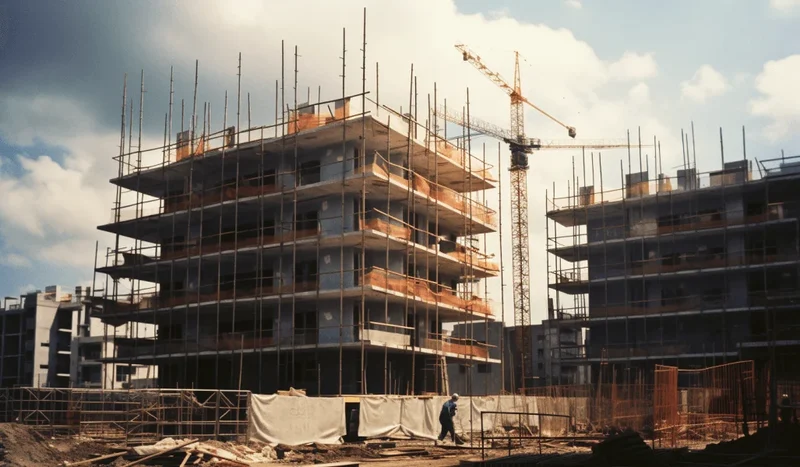
The topic on the Housing Levy has remained a hot one since the beginning of last year, dominating conversations across Kenya. As part of one of his agenda, H.E., President William Ruto announced his proposal of the housing levy where every employed Kenyan would be mandated to contribute 1.5% of their monthly salary . READ ALSO : Understanding the National Housing Development Fund Kenya However, amid the country’s soaring cost of living, the levy met strong resistance due to its potential impact—further reducing incomes already burdened by escalated taxes and high living expenses. He clarified that beyond addressing affordable housing, his vision aimed to generate employment opportunities

Why Homes Are Getting Warmer in 2026
Not too long ago, white walls and grey sofas were the in thing. Walk into one house, and there was a good chance the next one would look almost exactly the same. Clean lines, neutral colours, minimal décor and that very polished, put-together look. Don’t get me wrong, there’s absolutely nothing wrong with grey sofas and white walls. Some people still love that look, and it isn’t going anywhere. What’s changing is the mood. Homes are getting warmer. And by warmer, I don’t just mean adding a few cushions to the sofa. Interior design in 2026 is leaning towards earthy colours, natural materials, softer shapes and more texture. There’s also a growing focus on making spaces feel personal rather than simply m

The True Cost of Borrowing: Why a KSh5 Million Home Can Cost You Much More
You have some savings, but not enough to buy it outright, so you decide to take a mortgage. Interest isn’t the only thing you need to budget for. Buying a home can come with other costs such as valuation, legal fees, insurance, stamp duty and applicable bank charges. A mortgage can make buying a home possible without having the full purchase price sitting in your bank account. It is also a long-term financial commitment. When you’re buying a home, don’t just ask: “Can I afford the house?”, ask, “Can I afford the cost of borrowing the money to buy it?” You find a house you like. It costs KSh5 million. You have some savings, but not enough to buy it outright, so you decide to take a mortgage. The question then becomes: <

Older Home vs. New Home: Which Should You Buy in Kenya?
Should you buy an older home or a new one? It’s a debate with no one-size-fits-all answer. Some buyers love the modern finishes and convenience of a brand-new development. One of the biggest advantages of buying a new home is that it’s designed with modern living in mind. Older homes often sit on larger parcels of land, which can appreciate significantly over time. Buying a home is one of the biggest financial decisions you’ll ever make. And while factors like location and budget often take centre stage, there’s another important question many buyers face: Should you buy an older home or a new one? It’s a debate with no one-size-fits-all answer. Some bu

Building Homes Is One Thing. Managing Them Is Another.
Building homes is only the first step. Keeping an estate clean, safe and well-maintained is what makes it a place people are proud to call home. These are everyday issues, but they can quickly become major problems if no one is responsible for managing them. A well-managed estate creates a better living experience for everyone. Because in the end, building homes is one achievement. Keeping them great places to live is another. Kenya’s Affordable Housing Programme has made homeownership a reality for many families who may never have imagined owning a home. Across the country, thousands of housing units have been completed, with many more under construction. But as more people receive their keys and move in, another important question is beginning to emerge.

Why Investors Are Moving From Office Buildings to Warehouses in Kenya
While office buildings remain an important part of the commercial property market, warehouses are increasingly becoming one of the most attractive real estate investments. The COVID-19 pandemic accelerated hybrid working, meaning many companies no longer needed as much office space. As e-commerce grows, businesses need modern facilities that can store and move goods quickly and efficiently. Today, warehouses are quietly taking centre stage. Ten years ago, if you wanted to impress investors, you built an office tower. Today, you might get their attention faster by building a warehouse. It sounds surprising, but it’s exactly what is happening in parts of Kenya as investors shift their focus towards logistics parks and industrial de

Westlands Neighbourhood Guide
As one of Nairobi’s affluent neighborhoods, Westlands’ close proximity to the Central Business District (CBD) and its serene environment makes it just the perfect place to live and raise a family. Popular as a hospitality and entertainment hotspot, the neighborhood has some of the most renowned hotels and clubs gracing its 72.4km2 area, to cater for those Sunday family brunches, or when you just need a place to unwind after a long week of running up and down the city. Table of Contents History of Westlands Map of Westlands Property Prices Character Who Lives in Westlands? Essential Amenities in Westlands Sch

Why More Kenyans Are Choosing Kiambu, Machakos and Kajiado Over Nairobi
More Kenyans are looking beyond Nairobi for places that offer a little more space, a quieter environment, and better value for money. Whether you’re buying your first home or looking for an investment with long-term growth potential, Machakos is increasingly becoming a county worth paying attention to. People aren’t just looking for cheaper land anymore. They’re looking for neighbourhoods where they can enjoy more space, raise families, work remotely when possible, and still access Nairobi without spending hours on the road every day. If you’re looking for a balance between affordability, accessibility, and future growth, Machakos makes a compelling case. If you’ve driven out of Nairobi on a weekend, you probably know the feeling. The traffic eases, the air feels a little fresher