- People buy land for different reasons.
- A plot may be affordable, have an attractive location or even be in an area expected to grow, but does that mean it is worth buying?
- Before buying, confirm the permitted land use with the relevant county government. Find out whether residential, commercial, agricultural or mixed-use development is allowed.
- Land can increase in value over time, but appreciation is not guaranteed. Some areas take longer to develop than expected, and finding a buyer when you want to sell may not be as easy as you think.
Is buying land always a good investment? It is a question worth asking, especially when you consider how much value we place on owning a piece of land.
People buy land for different reasons. Some buy it to hold on to for a few years, hoping its value will increase and give them a return on their investment. Others want a place to build their family home, while some buy land for farming or other business activities.
For many Kenyan families, owning land is also something we have grown up being taught to value. It represents security, a sense of ownership and something that can be passed down to children and future generations.
But here is something we do not always consider: not every piece of land is a good investment. A plot may be affordable, have an attractive location or even be in an area expected to grow, but does that mean it is worth buying?
Before making a purchase, there are important questions that need answers. What makes a particular piece of land a good investment? How can you tell whether it has potential? What should you look out for, and what could affect its value in the future?
Whether you are buying land to build, farm or hold for resale, understanding what you are investing in can help you make a more informed decision. Here are some things to consider when buying land in Kenya.
READ ALSO: A Beginner’s Guide and Legal Process to Buying Land In Kenya
Location and the area's growth potential
You have probably heard that location is everything in real estate. When buying land, this goes beyond choosing a popular neighbourhood or an area that people are talking about.
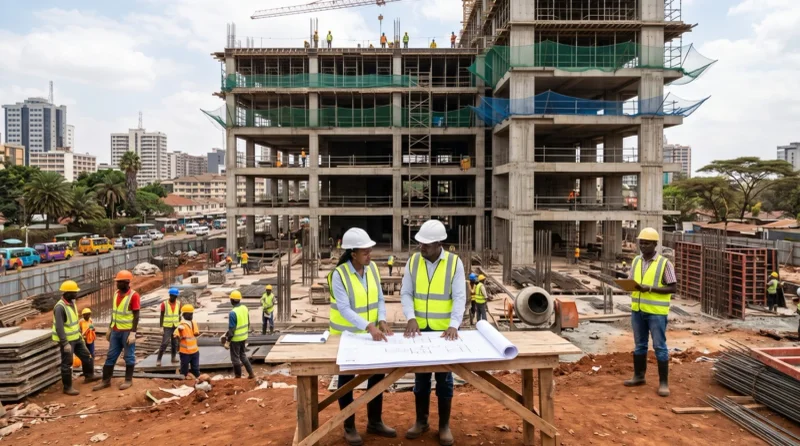
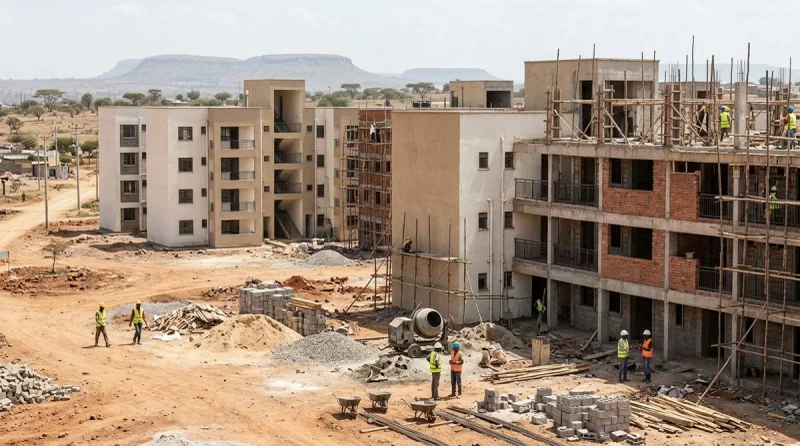
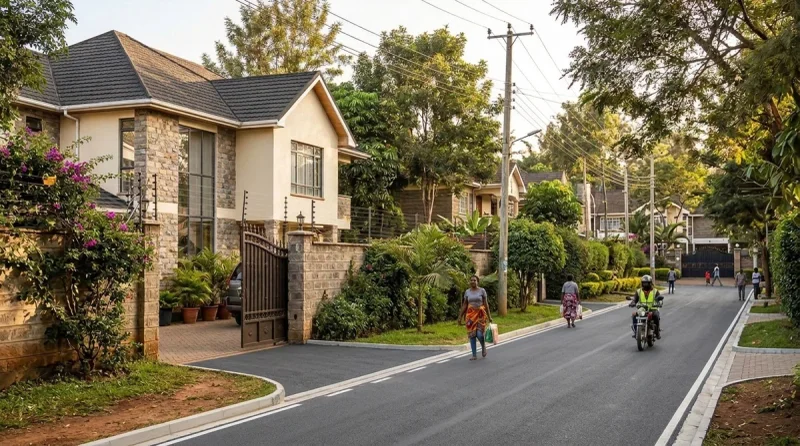
Look at what is happening around the property. Are homes being built? Are businesses opening? Are there schools, hospitals, shopping centres and other facilities nearby? These developments can make an area more attractive to people looking to live or do business there.
Also consider planned infrastructure, such as roads and public transport connections. However, do not buy based on promises alone. Visit the area and find out whether proposed projects are actually progressing.
Access to roads and essential services
A plot may look like a bargain until you discover that getting to it is difficult or connecting essential services will cost more than expected.
Check the access road. Is it usable throughout the year? How far is the property from the main road or public transport?
Water and electricity are equally important, particularly if you intend to build. Find out whether these services are already available and, if not, how much it would cost to connect them.
Good accessibility and access to essential services can make land more practical to develop and more attractive to future buyers.
What can you use the land for?
Not every piece of land is suitable for every purpose. A plot that works for a family home may not necessarily be suitable for apartments, shops or farming.
Before buying, confirm the permitted land use with the relevant county government. Find out whether residential, commercial, agricultural or mixed-use development is allowed.
If you plan to build rental apartments, for example, you need to establish whether the zoning and development regulations allow that type of project.
Also check for restrictions involving road reserves, riparian areas and environmental protection requirements. These could affect how much of the land you can actually use.
Check the physical condition of the land
Two plots can have the same measurements but offer very different development possibilities.
Visit the property and look at the terrain. Is it flat or sloping? Does it have proper drainage? Is there a risk of flooding during heavy rains? Is the ground suitable for what you intend to do?
A steep, rocky or poorly drained plot may require additional work before construction can begin. This means extra costs that you may not have included in your budget.
The shape and dimensions also matter. An irregularly shaped plot may limit where you can position a building, even if its total size looks sufficient.
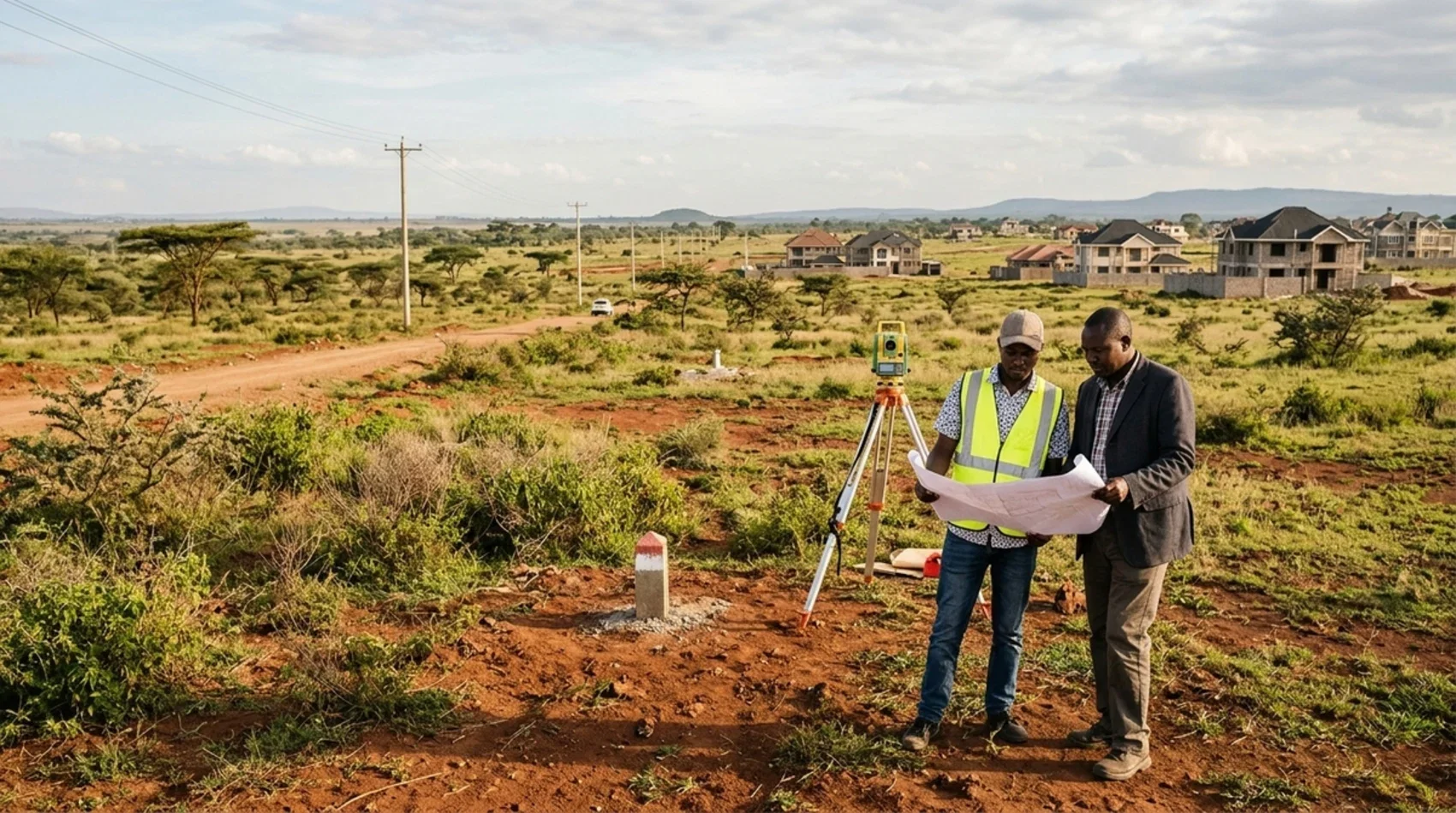
Have a qualified surveyor confirm the boundaries, beacons and measurements so you know exactly what you are buying.
Verify the title and ownership details
This is one step you should never skip, no matter how attractive the deal looks.
Before making payment, conduct an official land search through the relevant land registry or Ardhisasa, where available. This helps establish the registered owner and identify registered interests such as charges, cautions or restrictions.
Do not rely on a copy of a title deed or the seller's assurance that everything is in order. Have an advocate carry out the necessary legal checks and review the ownership documents.
If the land is leasehold, find out how many years remain on the lease and whether there are any conditions or obligations attached to it.
A surveyor can also help confirm that the land on the ground matches the official records. These checks can help you avoid costly ownership and boundary disputes.
Does the asking price make sense?
A cheap plot is not always a good bargain, just as an expensive one is not automatically a better investment.
Compare the asking price with similar plots in the same area. Look at their sizes, accessibility, available services and location. This gives you a better idea of whether the seller's price is reasonable.
Remember to budget for additional costs such as legal fees, valuation, stamp duty and any applicable land rates or land rent. If the property needs clearing, fencing or other improvements, factor those expenses in too.
Most importantly, think about your investment goal. Are you buying to build immediately, farm, develop rental property or hold the land for resale? Your intended use should guide the type of land you choose.
READ ALSO: The Shocking Mistake Every First-Time Land Buyer in Kenya Makes
So, what makes a piece of land a good investment?
It comes down to more than its location or how much you pay for it. A worthwhile investment is land with clear ownership, suitable use, practical access and potential that matches your plans.
Land can increase in value over time, but appreciation is not guaranteed. Some areas take longer to develop than expected, and finding a buyer when you want to sell may not be as easy as you think.
Take your time, visit the property, ask questions and involve an advocate and qualified surveyor before committing.
The goal is not just to own a piece of land. It is to understand what you are buying, why it makes sense and how it can serve your needs in the years ahead.