
Property Advice
Advice on buying, renting and selling property in Kenya, plus neighbourhood guides, decor ideas and market news.


Subscribe to our newsletter
Expert property news, straight to your inbox.
Browse by category or keyword
All articles
587 articles · page 4 of 49

Why Most Kenyans Fear Mortgages (And Whether They Should)
For many Kenyans, mortgages have become synonymous with financial risk. Many aspiring homeowners simply assume a mortgage is out of reach before they have even explored their options. Financial institutions typically have structured processes that include reminders, discussions with borrowers and, where possible, loan restructuring before taking legal action. Homeownership should provide stability, not become a constant source of financial stress. Mention the word mortgage in a conversation, and chances are you’ll get one of two reactions: “I’d rather build slowly than owe a bank for 20 years,” or “Banks are just waiting to auction your house.” For many Kenyans, mortgages have become synonymous with financial risk. The idea
Stalled Housing Projects: How to Spot the Warning Signs Before You Buy
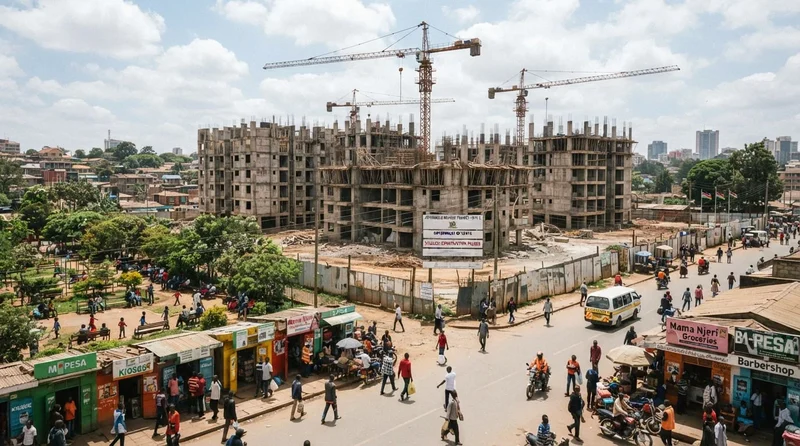
According to recent news reports, Members of Parliament have summoned the Cabinet Secretary for Lands, Public Works, Housing and Urban Development over concerns about stalled housing projects across the country. While the discussion has largely centred on government-backed developments, it raises an important question: How does a housing project end up stalling in the first place? The reality is that stalled projects are not unique to the public sector. Private developments can also experience delays, and in some cases, construction comes to a complete halt. For anyone looking to buy a home or invest in property, understanding why this happens can help you make more informed decisions before committing your hard-earned money. So, what exactly is a stalled housing project? When people hear the term “stalled

If Many Kenyans Can’t Afford Homes, Who Is Buying Them?
Over the years, property prices have risen much faster than incomes. Like any other market, real estate follows demand. But more importantly, it follows people who have the financial ability to buy. Building a housing project requires significant capital, and developers naturally focus on markets where buyers are able to purchase. As we celebrate investment and growth, we must also ask whether enough is being done to make homeownership more accessible for ordinary Kenyans. Earlier this year, I wrote an article titled ‘ Why Kenya’s Real Estate Is So Expensive (And Where It Ranks) ’, where I explored why owning a home feels increasingly out of reach for many Kenyans. Contrary to popular belief, Kenya isn’t necessarily the most expensive real estate market in East Africa. The bigger
Open Kitchens Are Everywhere. But Why?
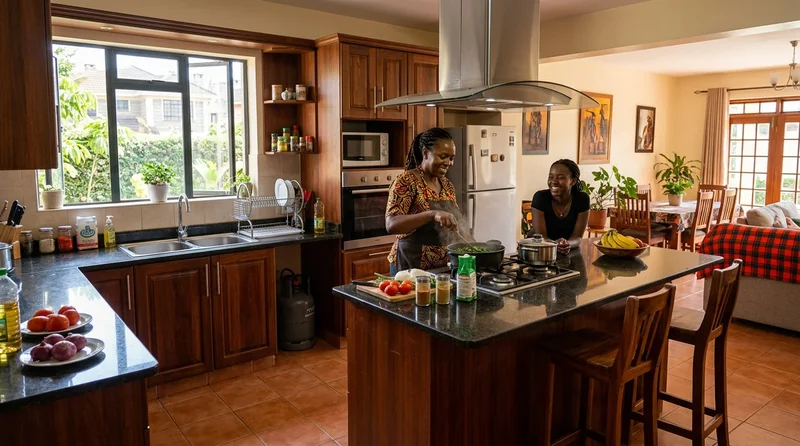
Whether it’s a new apartment in Kilimani, a townhouse in Syokimau or a family home being built from scratch, there’s a good chance the kitchen opens straight into the living room. For anyone living in an apartment where every square metre counts, that can make a huge difference. The kitchen is no longer seen as a room where one person disappears to prepare meals while everyone else carries on elsewhere. It’s become part of everyday life. If you’re buying, building or renovating, don’t be swayed by what’s fashionable alone. Ask yourself how you actually live. If you’ve been house hunting recently, you’ve probably noticed something. Whether it’s a new apartment in Kilimani, a townhouse in Syokimau or a family home being b
The History of Land Leases in Kenya: From Communal Ownership to 99-Year Leases
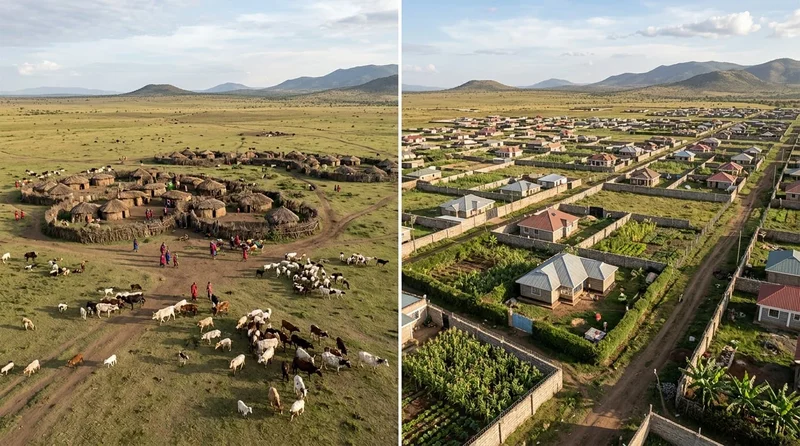
Land ownership systems existed in Kenya long before colonialism. It just looked very different from the systems we know today . Before the arrival of colonial rule, land was largely communal. It belonged to clans, families, or entire communities rather than individual people. One of the most significant changes introduced during the colonial period was leasehold tenure. Over time, the government moved away from issuing 999-year leases and adopted 99-year leases as the standard for most leasehold properties. The recent conversations around freehold and leasehold land ownership have left many Kenyans asking questions. What exactly is a leasehold title? Why do some properties have a 99-year lease? And where did these systems come from in the first place? To understand the answ

Freehold vs Leasehold: The Land Ownership Debate That Got Kenyans Talking
Most people only start paying attention to land tenure when they’re buying property, inheriting family land, or when a headline like this starts making rounds online . In simple terms, freehold land is land that you own indefinitely. For many Kenyans, freehold ownership represents permanence. With leasehold land, you have ownership rights for a specified period of time. In Kenya, this is often 99 years, although shorter lease periods also exist. Whether the recent claims were based on fact or misinformation, they succeeded in bringing an important conversation to the forefront. For the past few weeks, if you’ve spent any time on social media, you’ve probably come across conversations about freehold and leasehold land. The discussion picked up after claims

How AI Is Quietly Changing Property Search in Kenya
Artificial Intelligence (AI) and how it is quietly changing the way people search for property. Property seekers today have very different expectations compared to even a few years ago. People are no longer just looking for listings. They are looking for experiences that help them find the right property faster and with greater confidence. A few weeks ago, we had the privilege of attending the East Africa Property Investment (EAPI) Summit. As expected, there were plenty of conversations around investment opportunities, market trends, and the future of real estate in the region. One discussion, however, stood out. It was a conversation about Artificial Intelligence (AI) and how it is quietly changing the way people search for property.
Are Nairobi’s Prime Neighbourhoods Losing Their Charm?
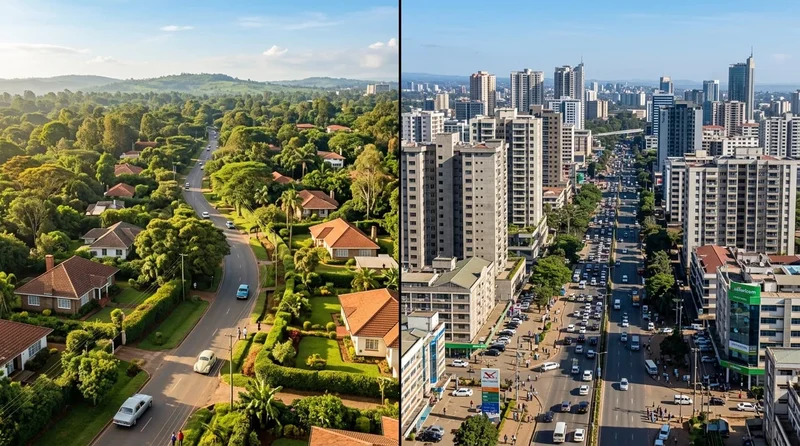
Nairobi’s population has grown significantly over the years. From a developer’s perspective, the math is straightforward. A plot that once housed a single family can now accommodate dozens of apartments. Growth should improve a neighbourhood, not diminish what made it attractive in the first place. As we continue building higher and denser, it’s worth asking whether we’re creating neighbourhoods people genuinely want to live in. Growing up, one of my favourite places to visit was Westlands. Back then, going to Westlands felt like a treat. Sarit Centre was the mall. The roads were quieter, there were trees everywhere, and the area had a certain charm about it. Most of the buildings weren’t particularly tall, and it wasn’t u

Kikuyu Neighbourhood Guide 2026: Why More Nairobians Are Moving West
Kikuyu has quietly become one of the most sought-after satellite towns around Nairobi. Located approximately 20 kilometres from the city centre, the area offers a blend of affordability, accessibility, quality social amenities, and growing investment potential that continues to attract families, professionals, and first-time homebuyers. Unlike some rapidly growing satellite towns that are still developing their social infrastructure, Kikuyu benefits from established schools, healthcare facilities, shopping centres, and transport networks. Combined with its proximity to Nairobi and improving road infrastructure, the town has emerged as one of the strongest residential and investment locations in Kiambu County. Whether you’re considering buying a home, investing in land, or relocating from Nairobi, here’s what you need to know about living in Kikuyu in 2026.
Kilimani Neighbourhood Guide 2026: What It’s Really Like Living in Kilimani
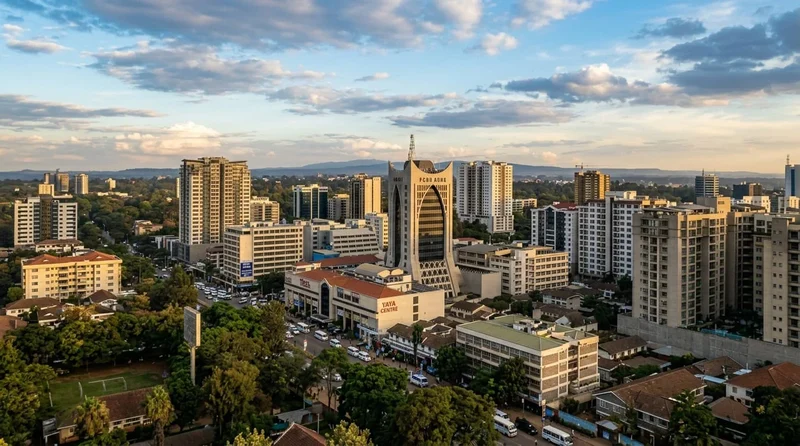
Kilimani has become one of Nairobi’s most talked-about neighbourhoods over the last few years. Once known primarily as a quiet residential suburb, the area has evolved into a fast-growing urban hub filled with modern apartment developments, cafés, restaurants, offices, shopping centres, gyms, and co-working spaces. Today, Kilimani attracts a mix of young professionals, expatriates, entrepreneurs, remote workers, students, and investors looking for convenience, accessibility, and a more lifestyle-driven way of living. For anyone considering moving to the area, renting an apartment, buying property, or investing, here’s what living in Kilimani in 2026 actually looks like. Kilimani At A Glance Table of Contents Best Known For
How SACCOs Are Replacing Traditional Mortgages in Kenya
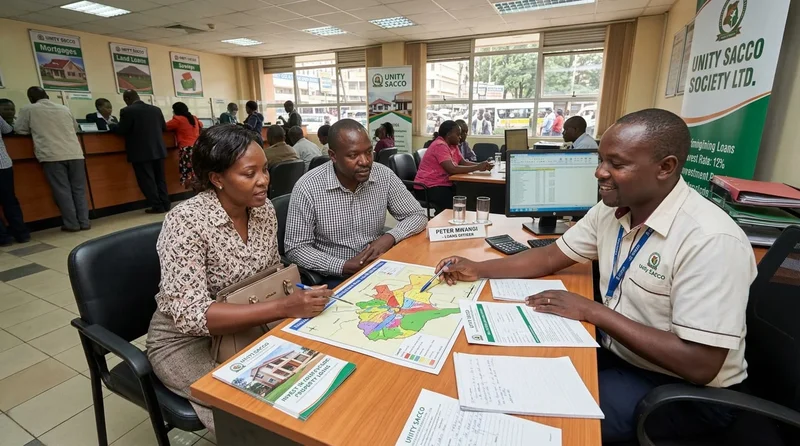
SACCOs have quietly evolved from simple savings groups into major financial institutions. Land and housing loans have become some of the biggest categories within SACCO financing. Kenya’s housing demand continues to grow, yet mortgage penetration remains extremely low. As Kenya’s urban population continues to grow and demand for housing rises, SACCOs are likely to play an even bigger role in shaping the future of real estate financing. For many years, mortgages were considered the standard path to home ownership. You save up, walk into a bank, qualify for a mortgage and eventually buy a home. In reality, however, that process has remained out of reach for many Kenyans. High interest rates, strict qualification requirements and large deposits have made traditional mortgages inaccessible to a large percentage o
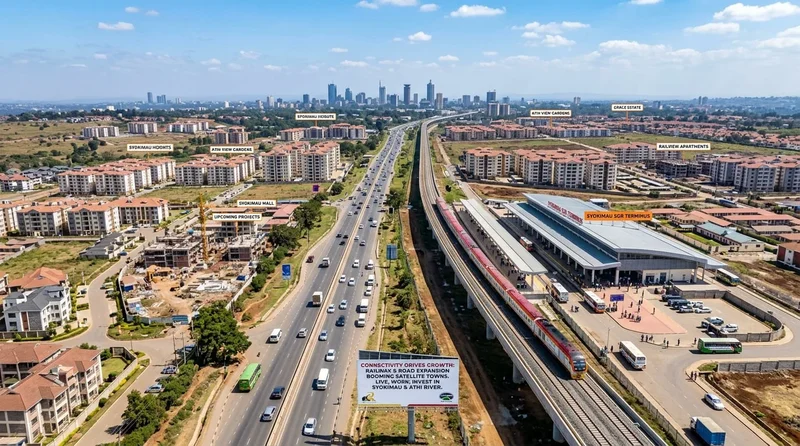
The Infrastructure Projects Quietly Reshaping Nairobi’s Property Market
For a long time, Nairobi’s property market followed a fairly predictable pattern. Today, some of the biggest conversations in real estate are happening outside Nairobi itself. Instead of development remaining concentrated within a few city neighbourhoods, growth is spreading into surrounding towns connected by infrastructure and accessibility. For a long time, Nairobi’s property market followed a fairly predictable pattern. Areas close to the CBD, Westlands or Kilimani attracted most of the attention, while places further outside the city were mostly viewed as “too far” or underdeveloped. That has changed significantly over the last few years. Today, some of the biggest conversations in real estate are happening outside Nairobi itself. Satellite towns are growing