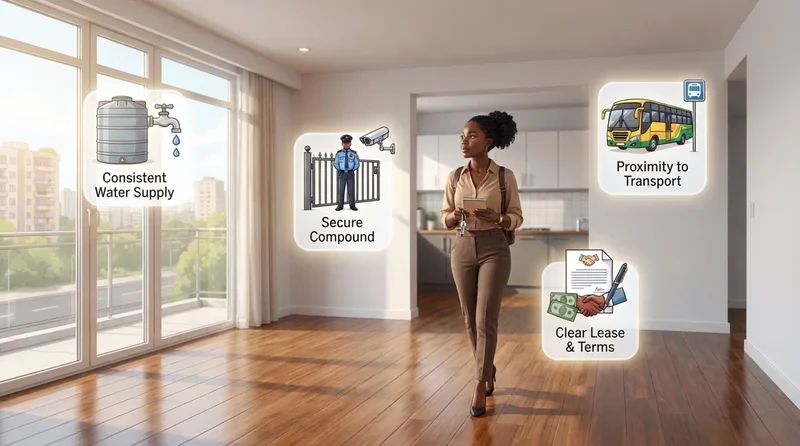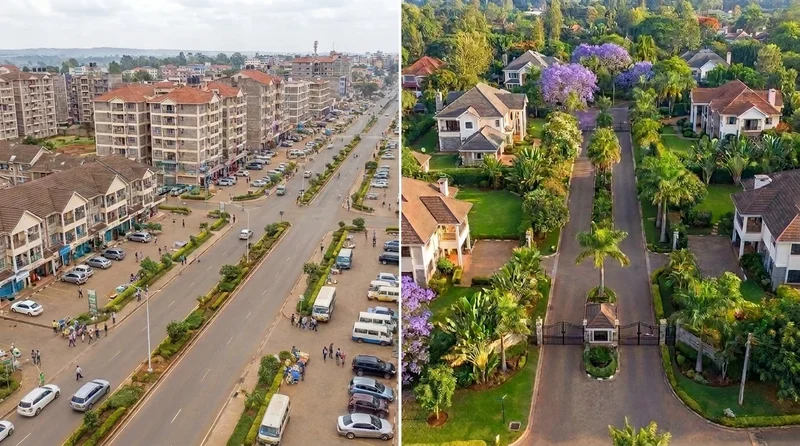
- While residential property prices have continued to rise, the pace has been relatively moderate.
- Road access, schools, hospitals, shopping centres, workplaces and other amenities can make an area more attractive over time.
- Current market data shows a significant gap between rental prices across different locations, with Nairobi continuing to record some of the country's highest rents.
Real estate in Kenya is changing, but not necessarily in the dramatic way headlines sometimes suggest.
In 2026, the market is being shaped by a mix of affordability, changing buyer preferences, financing conditions, infrastructure, technology and the continued demand for housing.
For anyone looking to buy, rent, develop or invest in property, understanding these shifts can help make sense of where the market is heading.
Here are some of the key real estate trends shaping Kenya in 2026.
Affordability is driving property decisions
Price remains one of the biggest factors influencing the property market.
While residential property prices have continued to rise, the pace has been relatively moderate. The Kenya National Bureau of Statistics recorded a 4.8% annual increase in residential property prices in Q1 2026.
For buyers, this means affordability is still a major consideration.
Instead of simply looking for a particular type of house, buyers are increasingly weighing location, size, amenities, accessibility and potential value against what they can actually afford.
This is also influencing where people choose to live.
Areas outside the traditional prime neighbourhoods can offer more space or lower prices while still providing access to Nairobi and other urban centres.
READ MORE: Future of Real Estate: Trends Redefining the Kenyan Market
The suburbs and satellite towns continue to matter
The search for better value is pushing attention beyond established high-cost neighbourhoods.
Areas in Kiambu, Kajiado, Machakos and other parts of the Nairobi metropolitan region continue to attract interest from buyers looking for larger homes, land or more affordable alternatives.
But affordability is only part of the story.
Road access, schools, hospitals, shopping centres, workplaces and other amenities can make an area more attractive over time.
This is why when looking at property, it helps to look beyond the building itself and consider what is happening around it.
Rental demand remains important
Buying property is not the only way people are participating in the market.
Renting remains a major part of Kenya's real estate sector, particularly in Nairobi and other growing urban centres.
Current market data shows a significant gap between rental prices across different locations, with Nairobi continuing to record some of the country's highest rents. Kenya Property Centre's Q3 2026 data put Nairobi's median asking rent at KSh140,000 per month, although asking prices vary significantly by neighbourhood and property type.
For renters, this makes location and budget planning increasingly important.
A two-bedroom apartment in one neighbourhood can have a very different price from a similar property just a few kilometres away.
Property is becoming more data-driven
Buying or investing in property has traditionally involved a lot of assumptions.
Is the area growing? Are prices increasing? How long do properties take to sell? What type of homes are people looking for?
More property platforms and digital tools are making this information easier to access.
For agents and developers, data can help identify demand, understand buyer behaviour and make better decisions about pricing and marketing.
For buyers, better access to property information can make it easier to compare locations and properties before making a decision.
Technology is changing how people search for property
The property search is becoming increasingly digital.
People can discover properties online, compare listings, contact agents, schedule viewings and, in some cases, explore properties virtually without starting with a physical visit.
PropTech is also becoming more visible across areas such as digital property searches, virtual tours, smart homes and digital land administration.
This means property businesses are having to think beyond simply putting a listing online.
The quality of information, photographs, responsiveness and overall digital experience can all influence how potential buyers and renters interact with a property.
Affordable housing remains a major part of the market
Affordable housing continues to shape Kenya's real estate conversation in 2026.
The Affordable Housing Act and subsequent regulations have created a framework for increasing the supply of affordable and institutional housing, with developments continuing across different parts of the country.
The bigger question is how this growing supply will meet the needs of people looking for homes that fit their incomes.
For developers, affordability increasingly means thinking carefully about location, construction costs, unit sizes and financing rather than simply building smaller homes.
Financing conditions are still important
The cost of borrowing remains one of the biggest factors affecting property affordability.
In August 2026, the Central Bank of Kenya maintained the Central Bank Rate at 8.75%, while average commercial bank lending rates stood at 14.3% in July 2026, down from 17.2% in November 2024.
Lower lending rates can improve access to credit, but mortgages and property loans still represent a significant financial commitment for many households.
For prospective buyers, understanding the total cost of financing is therefore just as important as looking at the property's selling price.
Sustainability is becoming part of the property conversation
Energy efficiency and sustainable construction are also gaining attention.
Green financing, energy-efficient buildings and climate-conscious development are becoming more relevant to developers, financial institutions and investors.
This is not just about adding solar panels or planting trees.
It can also involve how buildings are designed, how much energy they consume, how water is managed and how developments respond to changing environmental conditions.
Properties are taking time to sell
Another important trend is that buying and selling property is not necessarily a quick process.
Kenya Property Centre's Q3 2026 data put the median time to sell at 576 days, based on completed transactions recorded in its dataset.
That is a useful reminder for both sellers and buyers.
Sellers need realistic pricing and patience, while buyers have more reason to research the market rather than feeling pressured to make decisions simply because a property is available.
So, what does this mean for the Kenyan property market?
The biggest story in 2026 may not be one particular neighbourhood or property type.
It is the fact that people are becoming more deliberate about property decisions.
Buyers are looking more closely at affordability and value. Renters are weighing location against monthly costs. Investors are paying attention to demand and potential returns. Developers are considering affordability, sustainability and changing consumer preferences. And technology is making more property information available along the way.
The result is a property market where location, affordability, data and convenience matter more than ever.
Whether you are buying your first home, looking for a rental, selling property or considering an investment, the same principle applies: don't just look at the property.
READ ALSO: Real Estate Powers Kenya’s Most Competitive Counties