- The apartment or house might look perfect in the render, but what is the neighbourhood actually like?
- If the project is already underway, seeing the site gives you a better idea of where things stand.
- That doesn't mean every off-plan project is risky. It simply means that the developer matters just as much as the property you're buying.
- Before signing anything, understand what happens if the project doesn't finish when promised.
If you are in the season of looking for a home, I am sure you know what off-plan means.
You see an ad for a beautiful apartment. The price looks good. There is a flexible payment plan. Maybe the developer is offering an attractive early-buyer deal.
And suddenly, all your brain can process is affordability.
I can actually afford this.
But before you pay that deposit, there is something else you should be thinking about: What exactly am I buying?
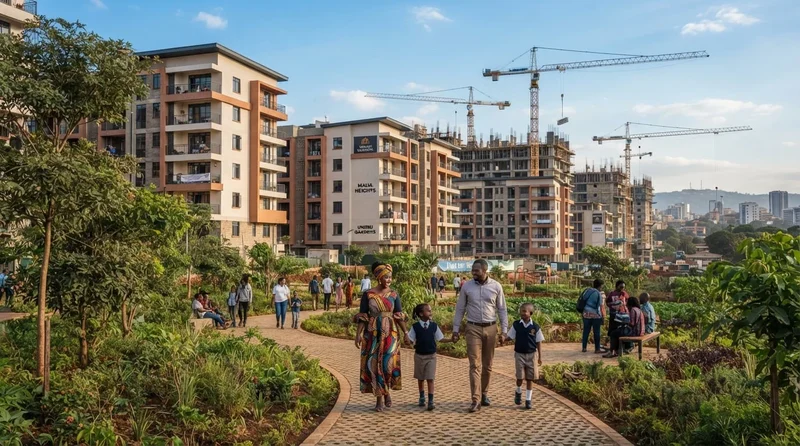
Off-plan property can be a great way to buy. You may get a better price, flexible payment terms and the opportunity to choose your preferred unit before construction is complete.
But there is also a simple fact we sometimes forget: you are buying a property you cannot fully see yet.
The brochure may show you beautiful renders. The show house may give you an idea of what the finished apartment could look like. But neither tells you everything about the actual development.
So, why should you visit the site?
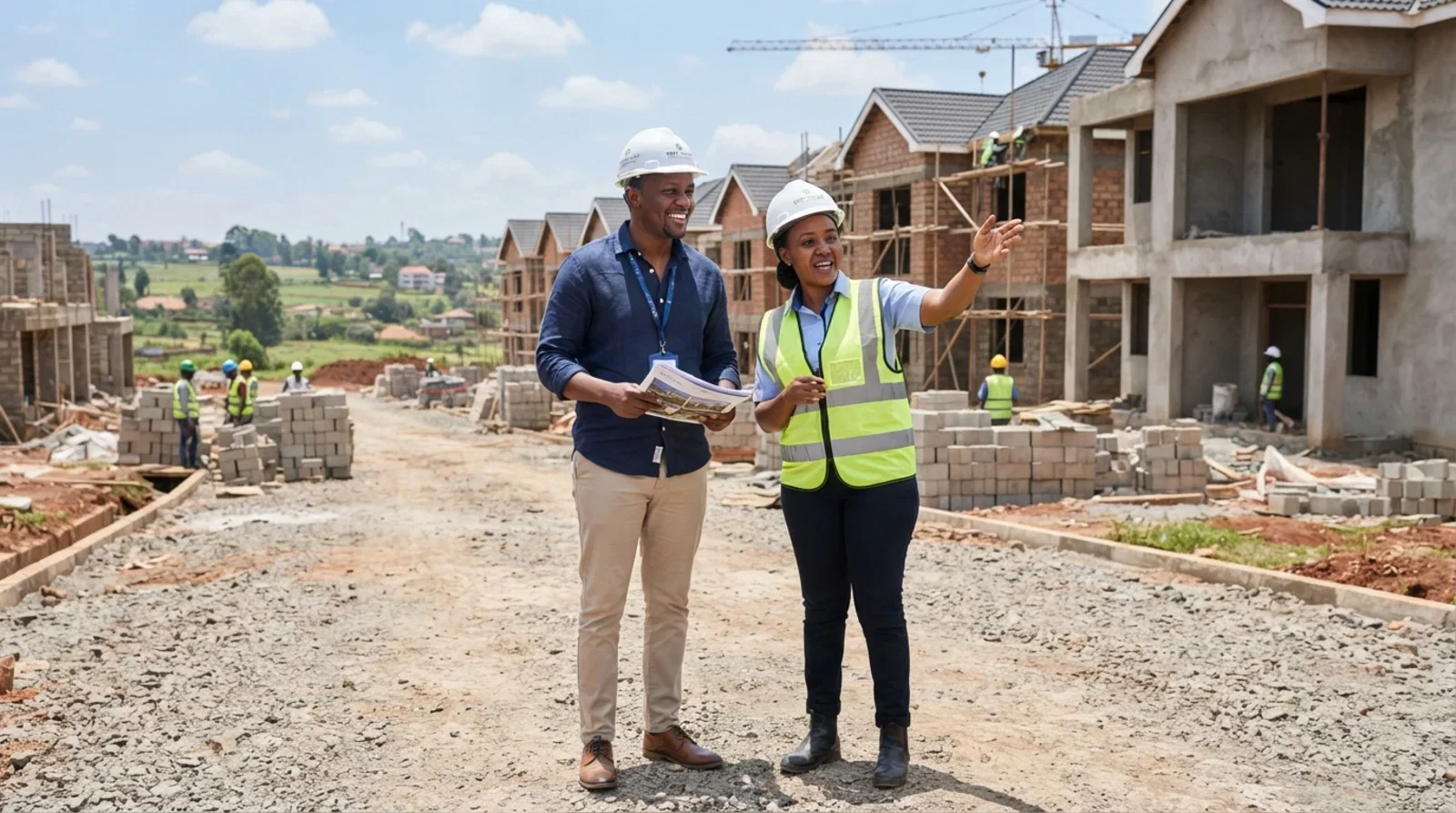
Start with the construction progress.
If the project is already underway, seeing the site gives you a better idea of where things stand. Is construction moving? Does the progress match what you have been told about the completion timeline?
This doesn't guarantee that there won't be delays, but it gives you another piece of information to work with.
Then look beyond the development.
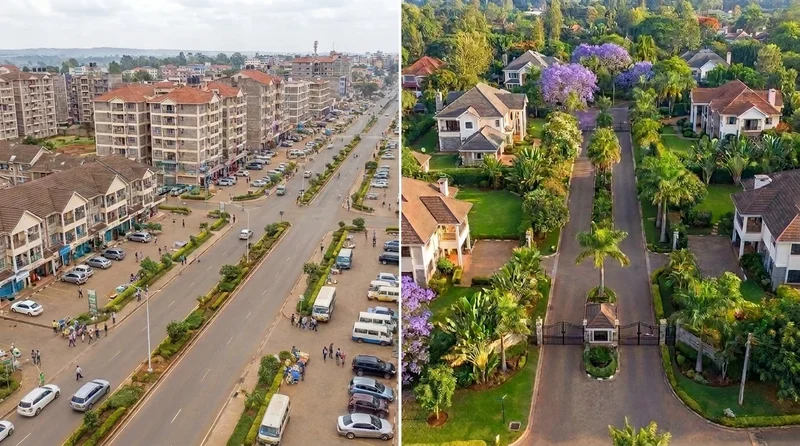
The apartment or house might look perfect in the render, but what is the neighbourhood actually like?
How is the road getting there? What is traffic like? Is there reliable access? What is being built around it? Are there schools, shops, public transport or other amenities nearby?
These are things a render cannot show you.
Look at what the developer has already built
This is one of the most useful things you can do.
If the developer has completed other projects, visit them if you can. See the quality of the finishes. Talk to residents where appropriate. Look at how the development has been maintained.
It gives you a much better idea of whether the promise on the brochure matches what eventually gets delivered.
And recent property developments around the world have been a reminder of why this matters. Delays, stalled projects and developer financial problems can leave buyers waiting much longer than expected for their homes.
That doesn't mean every off-plan project is risky. It simply means that the developer matters just as much as the property you're buying.
And then, read the fine print
Before signing anything, understand what happens if the project doesn't finish when promised.
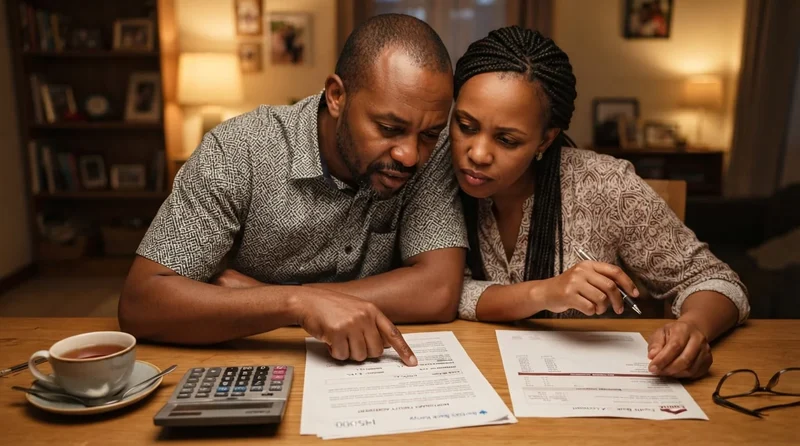
What does the sale agreement say about delays? When are payments due? What are your rights if the completion date changes?
It is easy to focus on the monthly instalment because that's what makes the property feel affordable. But the full agreement is what tells you what you are actually committing to.
The point isn't to avoid off-plan property
There is nothing wrong with buying a property before it is complete.
The point is to make sure you're buying with your eyes open.
Visit the site. Ask questions. Research the developer. Compare similar completed properties. Understand the location and, most importantly, know exactly what your agreement says.
Because when you buy off-plan, you aren't just buying the apartment you can see in the brochure.
You're buying the promise of what it will become.
And before you put your money behind that promise, it's worth going to see what is actually there.