
Property Advice
Advice on buying, renting and selling property in Kenya, plus neighbourhood guides, decor ideas and market news.



Subscribe to our newsletter
Expert property news, straight to your inbox.
Browse by category or keyword
All articles
587 articles · page 5 of 49
Is Nairobi Facing an Apartment Saturation Problem?
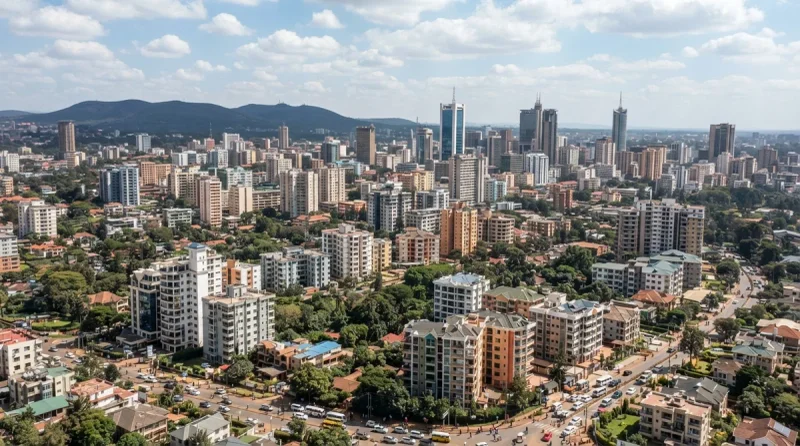
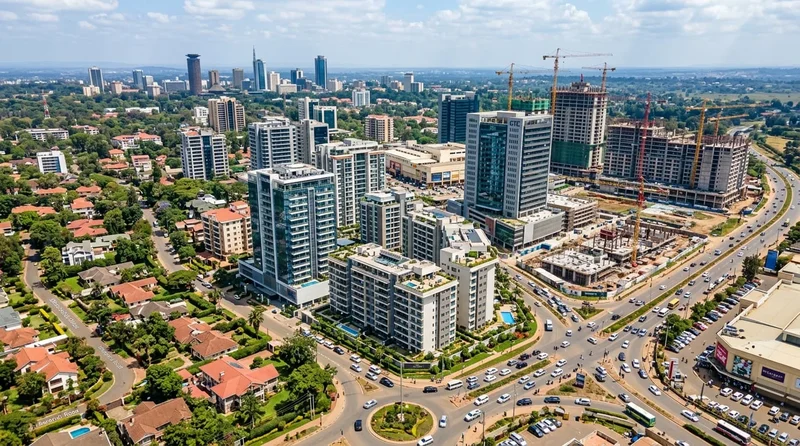
The real estate market in Kenya, and East Africa at large, has experienced significant growth over the past few years. For many investors, apartments have become the obvious investment choice, whether for rental income, resale, or short-term stays such as Airbnb. One of the clearest signs of a possible saturation problem is the growing imbalance between supply and demand in certain parts of Nairobi. Nairobi’s apartment market is not collapsing, but there are growing signs that some areas may be experiencing oversupply. Growth in any market is inevitable. The real estate market in Kenya, and East Africa at large, has experienced significant growth over the past few years. As the population continues to increase, so does the demand for housing. Over time, more people have moved into cities in search of better o
Built Too Fast, Planned Too Late: Inside Nairobi’s Flooding Crisis
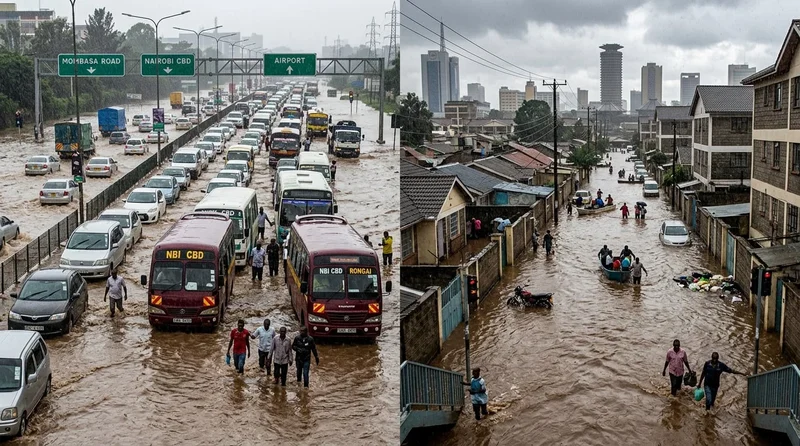
And as populations grow, it becomes essential to expand and upgrade supporting infrastructure and amenities to match that demand. The situation in Nairobi and its surrounding areas is not just about overcapacity. Maintenance has to become part of the conversation too. Because even the best systems will fail if they’re not taken care of. Are we planning for the future or simply reacting to the present? Are we building fast or building right? It’s the rainy season, and like every year, there’s a period of heavy rainfall. This year, however, feels different. The downpour has been unlike anything previously experienced in Nairobi and its surrounding areas. From major highways being completely submerged to entire estates filling up with water, and homes suffering damage as rainwater enters and destroys property, t
Are Houses Getting Smaller and More Expensive? Is Nairobi Becoming the Next New York?
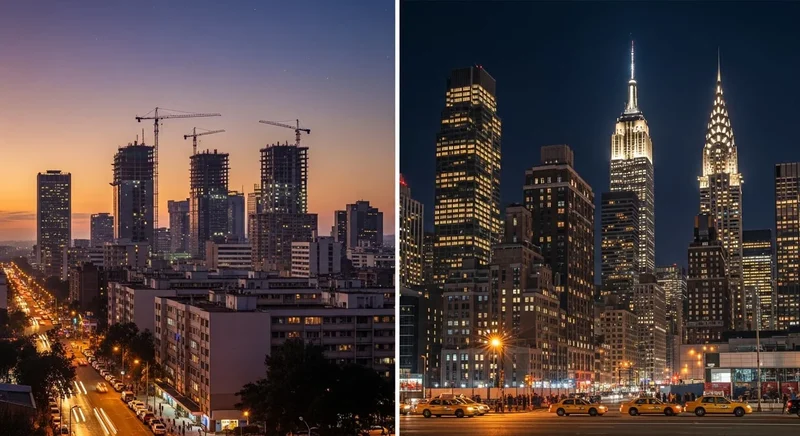
Across Nairobi, especially in areas such as Kilimani, Kileleshwa, Westlands, and along the Expressway corridor, one trend is becoming harder to ignore: homes are getting smaller. Developers are increasingly maximizing the number of units within limited land space, a move largely driven by rising land costs and the need to keep projects commercially viable. As land becomes more expensive, developers naturally try to spread that cost across more units, which often means building upwards and creating smaller spaces. I recently attended a conference and, as I was socialising, I could not help but overhear a conversation about how houses in Nairobi are shrinking while the prices keep going up. As if my phone could overhear the conversation too, later on I bumped into a few videos on social media as soon a

What Digitizing Land Approvals Could Really Mean for Buyers and Developers in Kenya
The land approval process in Kenya is far from a one-size-fits-all system. When approvals take longer than expected, it can create doubt around the transaction. One of the most frustrating parts of the current process is often not knowing where an application stands. Digitization alone is not the solution if the platform is not reliable, user-friendly, and properly integrated across the relevant agencies and county government s. If you have ever bought land in Kenya, chances are you have encountered a few hiccups or delays along the way. Unfortunately, this has become a reality for many Kenyans, with some describing it as one of the most frustrating parts of the land buying journey. The land approval process in Kenya is far from a one-size-fits-all system. Timelines often v
Is Kilimani Still the Dream Address Or a 24/7 Construction Zone Nightmare?
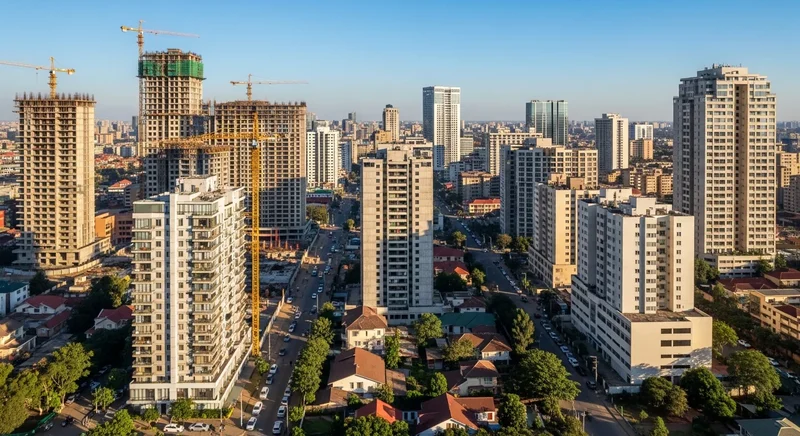
Kilimani, once a relatively quiet neighbourhood with shorter apartment complexes standing a few metres apart, is now home to towering high-rise developments. Due to convenience, its strategic location and proximity to key amenities, there is no doubt that Kilimani is still one of Nairobi’s most attractive places to live. For those who have lived in Kilimani for years, especially those who moved there for peace and privacy, this shift is becoming more noticeable. Either way, one thing is clear, something has to give. In Kilimani’s case, that trade-off is becoming more visible every day. Kilimani, once a relatively quiet neighbourhood with shorter apartment complexes standing a few metres apart, is now home to towering high-rise developments. The peace residents once enjoyed has gradually been replaced by the

How Fuel Prices Impact Real Estate
Fuel prices do have a ripple effect on the property market, sometimes in ways that aren’t immediately obvious. When fuel prices rise, transportation costs go up. And when transport becomes more expensive, so does construction. Fuel is a key driver of inflation. When fuel prices rise, the cost of living generally follows. When most people hear about fuel prices, their minds immediately go to cars or cooking. Rarely do they think about real estate. In fact, drawing a connection between these two industries doesn’t feel natural at first. However, the reality is that fuel prices do have a ripple effect on the property market, sometimes in ways that aren’t immediately obvious. So how exactly does this happen? Let’s get into it. READ ALSO :

What 10 Million Will (and Won’t) Get You in Kenya’s Property Market
On paper, 10 million feels like a decent budget. Enough to get something solid, something comfortable, something you can proudly call home. Essentially, it may not tick every box and that can be a hard pill to swallow, especially when expectations are shaped by what we see online. The sooner you understand what the market realistically offers, the easier it becomes to make a decision you won’t regret. I have this friend who was quite eager to purchase a home for their family. The budget was nothing more than 10M. This was not going to be their forever home, but just something to help them break from the monthly expense of paying rent. They wanted stability, to finally settle in one place and not have to worry about the possibility of being asked to move should things get tight. It’s an unspoken fear m

Should Your Personality Shape Your Home or Do Other Factors Matter?
Our homes are more than just places to live, they’re personal havens, reflections of who we are. It’s natural to want our style, tastes, and quirks to shine through. But is personal expression the only thing that matters, or should other factors, like the space itself, the people we live with, and how we actually use our rooms, also play a role? Decor isn’t just about what looks good on Instagram or what you pinned last week. It’s about living well in a space that fits your routines, your energy, and your relationships. A bright statement wall might thrill you, but if it clashes with a partner’s idea of calm or makes a small room feel cramped, the joy can quickly fade. That’s the balancing act: how do you infuse your home with personality while keeping it functional, harmonious, and comfortable for everyone who shares it with you? There’s no one-size-fits-all answer, but there are w
Why Kenya’s Real Estate Is So Expensive (And Where It Ranks)
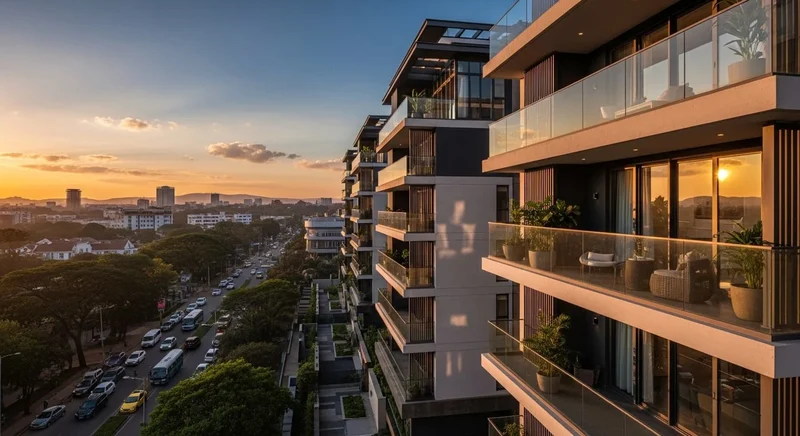
Kenya isn’t necessarily the most expensive real estate market in East and Southern Africa. So why does it feel that way? Over time, property prices have risen much faster than the average income. Addressing affordability in Kenya’s real estate market will require a more deliberate and coordinated approach. Kenya’s real estate market is not simply expensive, it is complex. It reflects the realities of rapid urbanisation, rising development costs, and a growing gap between income and property prices. If you’ve ever gone house hunting in Nairobi or even browsed property listings online, chances are you’ve asked yourself the same question many Kenyans are quietly asking: why is real estate in Kenya so expensive? From rising rent to the cost of buying a home, the pressure is hard to ignore. Yet, interes
How to Spot Emerging Real Estate Hotspots in Kenya Before Everyone Else
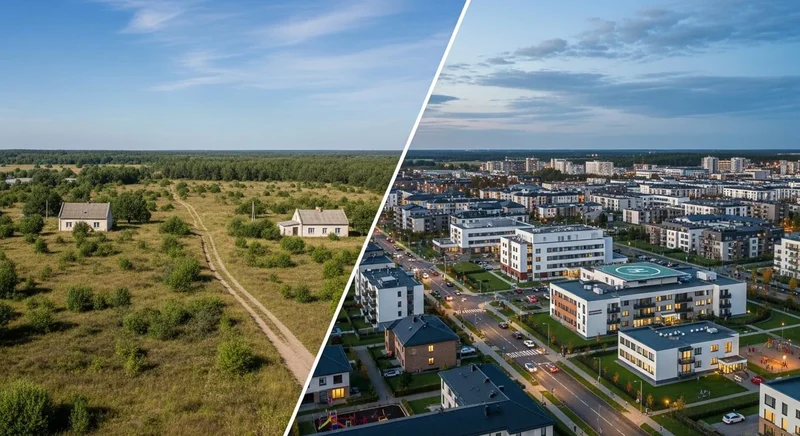
As a little girl, I remember visiting my uncle at this place in Nairobi that at the time I didn’t know the name. My uncle’s house was one of two houses in the area, and in between the houses, was an 800m distance, a bushy one at that. I remember wondering why my uncle would decide to build his house in the middle of what I thought was nowhere. Why would he not want neighbours or life around: shops, hospitals, anything? What my little mind had not perceived yet, was the fact that my uncle was buying into a future he believed in. He speculated about growth and was bold enough to believe and take a step of faith. And he was right, because the area I am talking about is Kasarani. Kasarani right now is one of Nairobi’s bustling residential and commercial neighbourhoods and there are other satellite towns and neighbourhoods with the exact
Conflict and Real Estate: What Developers and Investors Need to Know and How to Prepare
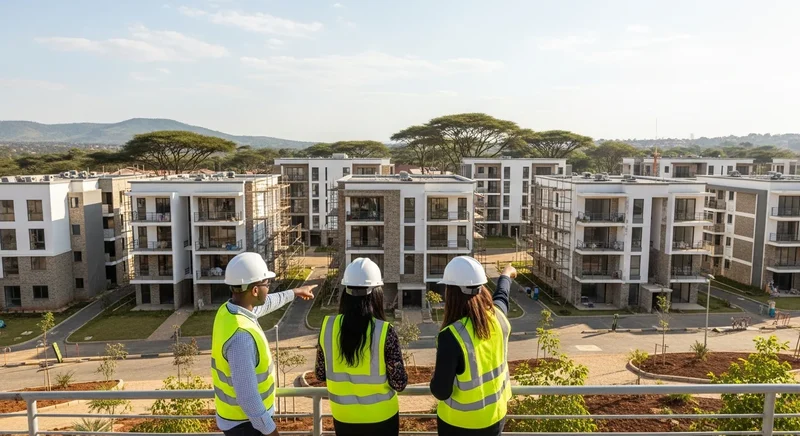
When war disrupts supply chains, the cost of materials like steel, cement, and fuel often increases. Instead of relying solely on price increases, developers and investors can take a more balanced approach. In uncertain times, buyers tend to become more cautious, which can lead to slower sales and longer timelines. When the cost of materials rises as a result of war, developers and investors are often the first to feel the impact. Inevitably, these effects trickle down to buyers and sellers; property prices increase, and demand may begin to slow. In such a market, it becomes important for developers and investors to prepare for changing conditions. Here are a few key considerations and how to navigate these uncertainties. Table of Contents

How Global Conflict Affects Real Estate: What Aspiring Homeowners Need to Know
For many aspiring homeowners, the idea of owning a home in the with the current war can feel discouraging. The good news, however, is that no matter how much markets change, one thing remains constant: the importance of planning. One of the most important steps aspiring homeowners can take is building strong financial discipline. While the market may continue to shift, being prepared and informed can make all the difference when it comes to making confident property decisions. In our last article, we explored the Iran war and its possible effects on the real estate market. In one way or another, these effects are likely to be felt. For many aspiring homeowners, this can feel discouraging. With the cost of real estate in Kenya already high, it is natural to worry about whet