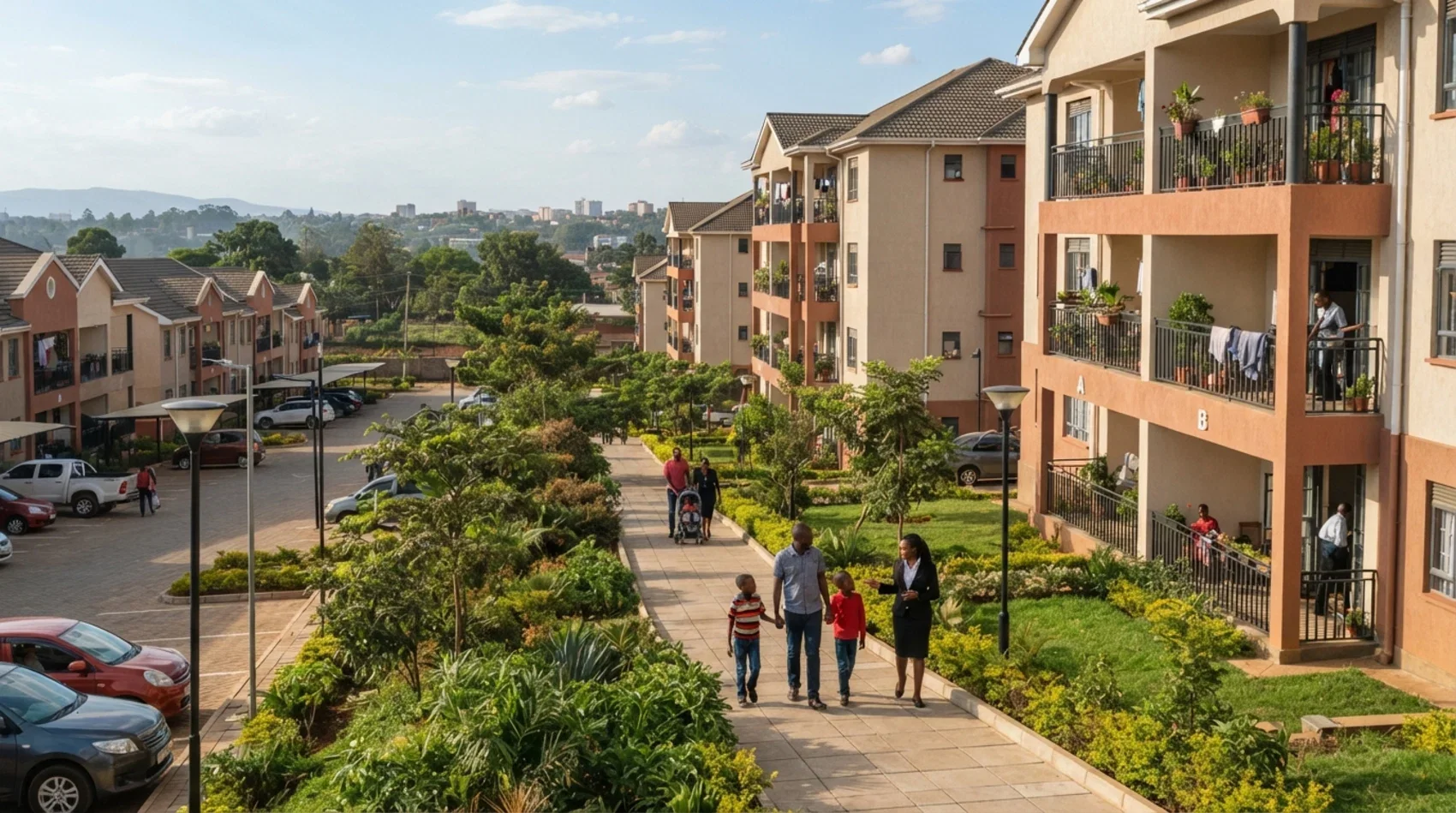
- Kenya’s middle class is expected to grow as the economy expands. And as more people earn more, the need for decent housing is likely to grow too.
- But there is a difference between wanting a home and being able to afford one.
- Making middle-class housing more affordable will require more than simply building more homes.First, access to affordable mortgages needs to improve.
Kenya’s housing market has a growing gap.
There is strong demand for homes, but for many middle-income Kenyans, finding a home they can comfortably afford remains difficult.
Developers are also feeling the pressure as they look for financing and try to understand what buyers actually need. According to industry players, this is pushing more developers to focus on residential housing while paying closer attention to the needs of the growing middle class.
So, what is holding the market back?
READ ALSO: Where Nairobi’s Middle Class is Moving: The Suburbs Shaping Modern Homeownership
There are people who want homes, but can they afford them?
Kenya’s middle class is expected to grow as the economy expands. And as more people earn more, the need for decent housing is likely to grow too.
But there is a difference between wanting a home and being able to afford one.
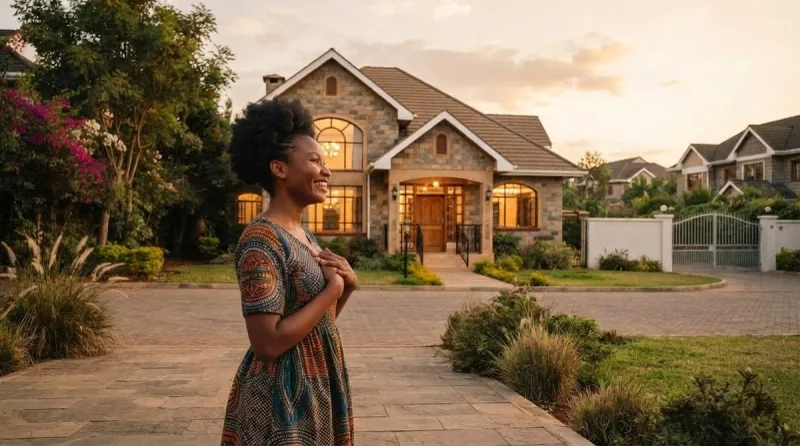
For many buyers, the biggest challenge is not finding a property. It is finding one that fits their budget and securing financing to pay for it.
This is where mortgages come in.
Why mortgages matter
Buying a home is a major expense, and most people cannot pay for it in cash.
A mortgage can make homeownership possible by allowing a buyer to spread the cost of a property over several years.
The problem is that mortgage rates in Kenya remain in double digits.
Higher interest rates mean higher borrowing costs. For someone taking a large loan over many years, even a small change in the interest rate can make a significant difference to the total amount they eventually pay.
This makes it harder for some middle-income households to qualify for a mortgage or comfortably manage the monthly repayments.
And when financing is expensive, the number of people who can realistically buy a home becomes smaller.
The market is also changing what it offers
Another interesting shift is happening on the development side.
Traditionally, some buyers have purchased land first and then built their homes over time.
But developers are increasingly looking at ways to provide more complete housing solutions, rather than simply selling plots.
That could mean ready-to-build homes or developments where buyers can move closer to having a finished home without having to manage the entire construction process themselves.
For buyers, this could make the journey to homeownership simpler.
But the price still matters.
A beautifully planned development will only attract buyers if the homes are priced within reach of the people the developer is targeting.
Affordable housing is not only about low-cost homes
Kenya’s affordable housing conversation has largely focused on providing decent homes for lower-income households, including people moving from informal settlements.
But there is another group in the middle.
These are Kenyans who may earn too much to qualify for some affordable housing options but still cannot comfortably afford many of the homes available in the private market.
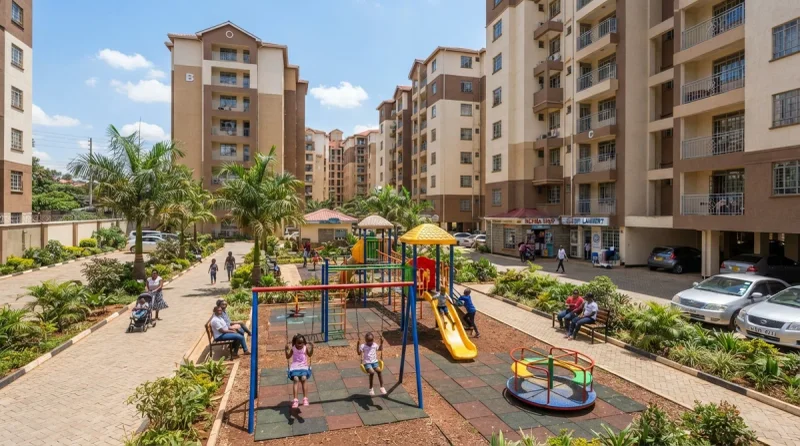
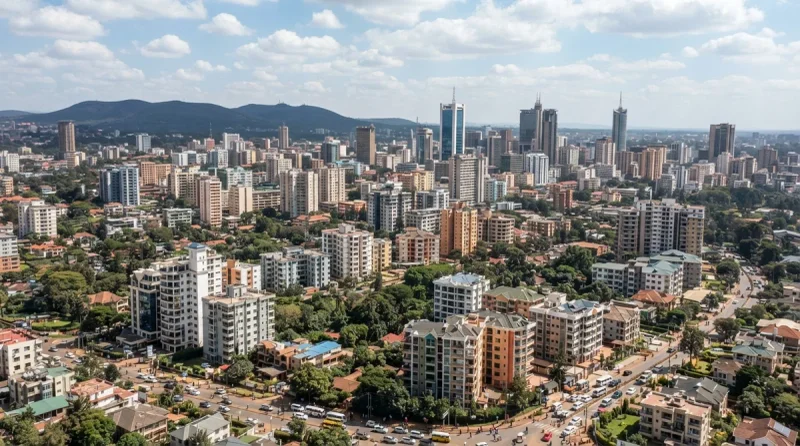
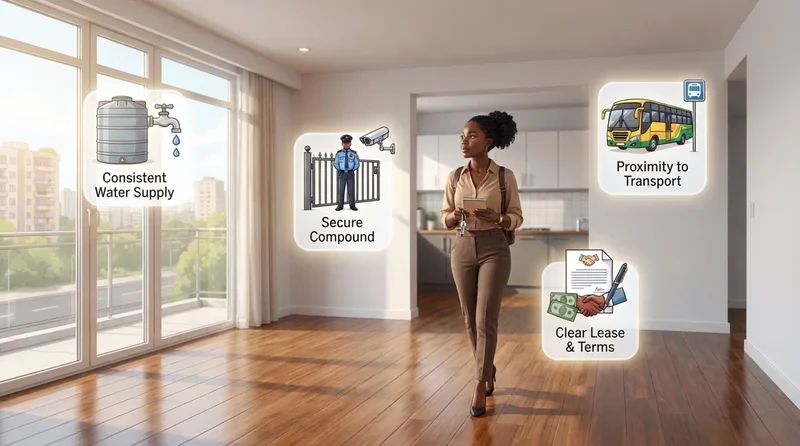
They want homes in areas with access to roads, schools, hospitals, workplaces and other everyday services.
The challenge is finding those homes at a price they can manage.
This is the gap developers have an opportunity to address.
What does this mean if you’re looking to buy?
If you are planning to buy a home, the current market is a reminder to look beyond the advertised price.
Think about the full cost of buying and owning the property.
How much deposit can you afford? What would your monthly mortgage payment look like? How much would you pay in interest over the life of the loan? And what other costs would come with owning the home?
You may also want to compare different options.
For some buyers, buying land and building gradually may make sense. For others, a completed home could be more practical.
There is no single route to homeownership. What matters is finding an option that works for your finances and your long-term plans.
READ ALSO: The Current State of the Real Estate Market in Kenya
So, what needs to change?
Making middle-class housing more affordable will require more than simply building more homes.
First, access to affordable mortgages needs to improve. Lower interest rates, where economically possible, could reduce monthly repayments and make home loans accessible to more buyers.
Second, buyers need more flexible financing options. Longer repayment periods, clearer loan terms and products designed around different income levels could make it easier for middle-income households to plan for homeownership.
Third, developers need to build with affordability in mind. This could mean smaller but well-designed homes, more efficient use of space and developments in areas where land and construction costs allow for more realistic prices.
And finally, there needs to be more choice between low-cost housing and high-end developments. A large part of the market sits in the middle, and these buyers need homes that offer good locations, decent amenities and practical designs without stretching their finances beyond what they can manage.
The demand is already there. What Kenya needs is a better match between what people earn, what homes cost and how easily they can finance them.
Because for the middle class, the challenge is not simply finding a house.
It is finding a home they can actually afford.
READ MORE: Nairobi’s Hidden Gems: Exploring Emerging Property Markets