
Property Guides
The latest property guides for the Kenyan market.



Subscribe to our newsletter
Expert property news, straight to your inbox.
Browse by category or keyword
All Property Guides articles
363 articles in Property Guides · page 3 of 31
The History of Land Leases in Kenya: From Communal Ownership to 99-Year Leases
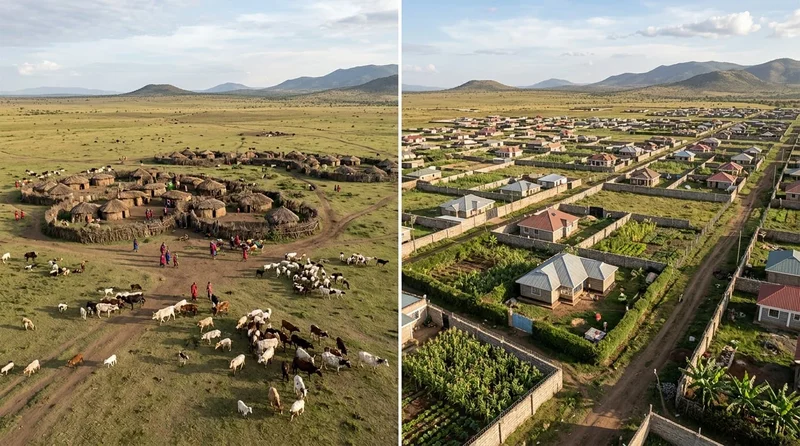
Land ownership systems existed in Kenya long before colonialism. It just looked very different from the systems we know today . Before the arrival of colonial rule, land was largely communal. It belonged to clans, families, or entire communities rather than individual people. One of the most significant changes introduced during the colonial period was leasehold tenure. Over time, the government moved away from issuing 999-year leases and adopted 99-year leases as the standard for most leasehold properties. The recent conversations around freehold and leasehold land ownership have left many Kenyans asking questions. What exactly is a leasehold title? Why do some properties have a 99-year lease? And where did these systems come from in the first place? To understand the answ

Kikuyu Neighbourhood Guide 2026: Why More Nairobians Are Moving West
Kikuyu has quietly become one of the most sought-after satellite towns around Nairobi. Located approximately 20 kilometres from the city centre, the area offers a blend of affordability, accessibility, quality social amenities, and growing investment potential that continues to attract families, professionals, and first-time homebuyers. Unlike some rapidly growing satellite towns that are still developing their social infrastructure, Kikuyu benefits from established schools, healthcare facilities, shopping centres, and transport networks. Combined with its proximity to Nairobi and improving road infrastructure, the town has emerged as one of the strongest residential and investment locations in Kiambu County. Whether you’re considering buying a home, investing in land, or relocating from Nairobi, here’s what you need to know about living in Kikuyu in 2026.

How SACCOs Are Replacing Traditional Mortgages in Kenya
SACCOs have quietly evolved from simple savings groups into major financial institutions. Land and housing loans have become some of the biggest categories within SACCO financing. Kenya’s housing demand continues to grow, yet mortgage penetration remains extremely low. As Kenya’s urban population continues to grow and demand for housing rises, SACCOs are likely to play an even bigger role in shaping the future of real estate financing. For many years, mortgages were considered the standard path to home ownership. You save up, walk into a bank, qualify for a mortgage and eventually buy a home. In reality, however, that process has remained out of reach for many Kenyans. High interest rates, strict qualification requirements and large deposits have made traditional mortgages inaccessible to a large percentage o
The Infrastructure Projects Quietly Reshaping Nairobi’s Property Market
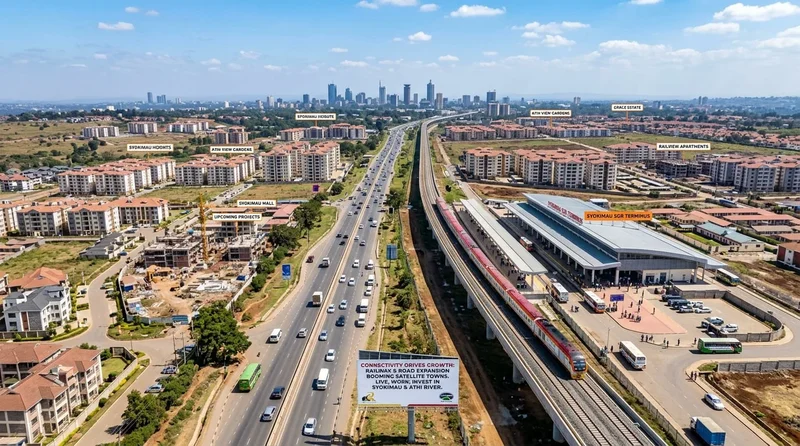
For a long time, Nairobi’s property market followed a fairly predictable pattern. Today, some of the biggest conversations in real estate are happening outside Nairobi itself. Instead of development remaining concentrated within a few city neighbourhoods, growth is spreading into surrounding towns connected by infrastructure and accessibility. For a long time, Nairobi’s property market followed a fairly predictable pattern. Areas close to the CBD, Westlands or Kilimani attracted most of the attention, while places further outside the city were mostly viewed as “too far” or underdeveloped. That has changed significantly over the last few years. Today, some of the biggest conversations in real estate are happening outside Nairobi itself. Satellite towns are growing
Is Nairobi Facing an Apartment Saturation Problem?
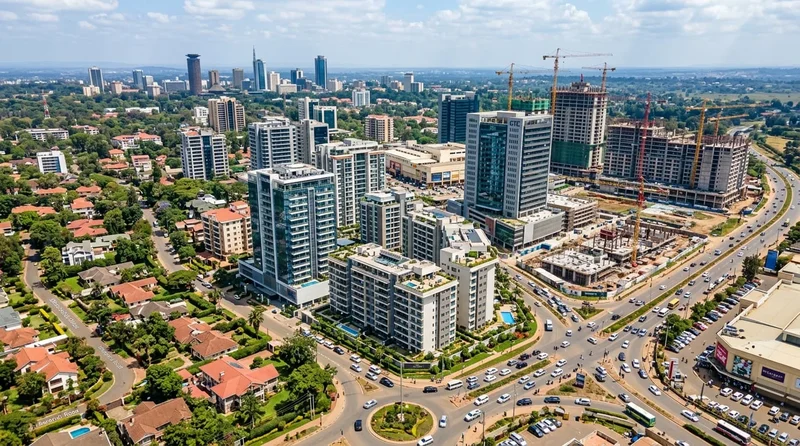
The real estate market in Kenya, and East Africa at large, has experienced significant growth over the past few years. For many investors, apartments have become the obvious investment choice, whether for rental income, resale, or short-term stays such as Airbnb. One of the clearest signs of a possible saturation problem is the growing imbalance between supply and demand in certain parts of Nairobi. Nairobi’s apartment market is not collapsing, but there are growing signs that some areas may be experiencing oversupply. Growth in any market is inevitable. The real estate market in Kenya, and East Africa at large, has experienced significant growth over the past few years. As the population continues to increase, so does the demand for housing. Over time, more people have moved into cities in search of better o

Built Too Fast, Planned Too Late: Inside Nairobi’s Flooding Crisis
And as populations grow, it becomes essential to expand and upgrade supporting infrastructure and amenities to match that demand. The situation in Nairobi and its surrounding areas is not just about overcapacity. Maintenance has to become part of the conversation too. Because even the best systems will fail if they’re not taken care of. Are we planning for the future or simply reacting to the present? Are we building fast or building right? It’s the rainy season, and like every year, there’s a period of heavy rainfall. This year, however, feels different. The downpour has been unlike anything previously experienced in Nairobi and its surrounding areas. From major highways being completely submerged to entire estates filling up with water, and homes suffering damage as rainwater enters and destroys property, t
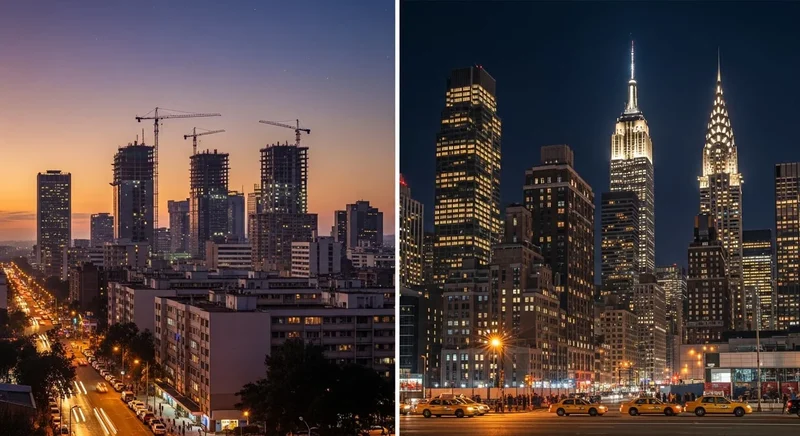
Are Houses Getting Smaller and More Expensive? Is Nairobi Becoming the Next New York?
Across Nairobi, especially in areas such as Kilimani, Kileleshwa, Westlands, and along the Expressway corridor, one trend is becoming harder to ignore: homes are getting smaller. Developers are increasingly maximizing the number of units within limited land space, a move largely driven by rising land costs and the need to keep projects commercially viable. As land becomes more expensive, developers naturally try to spread that cost across more units, which often means building upwards and creating smaller spaces. I recently attended a conference and, as I was socialising, I could not help but overhear a conversation about how houses in Nairobi are shrinking while the prices keep going up. As if my phone could overhear the conversation too, later on I bumped into a few videos on social media as soon a

What Digitizing Land Approvals Could Really Mean for Buyers and Developers in Kenya
The land approval process in Kenya is far from a one-size-fits-all system. When approvals take longer than expected, it can create doubt around the transaction. One of the most frustrating parts of the current process is often not knowing where an application stands. Digitization alone is not the solution if the platform is not reliable, user-friendly, and properly integrated across the relevant agencies and county government s. If you have ever bought land in Kenya, chances are you have encountered a few hiccups or delays along the way. Unfortunately, this has become a reality for many Kenyans, with some describing it as one of the most frustrating parts of the land buying journey. The land approval process in Kenya is far from a one-size-fits-all system. Timelines often v
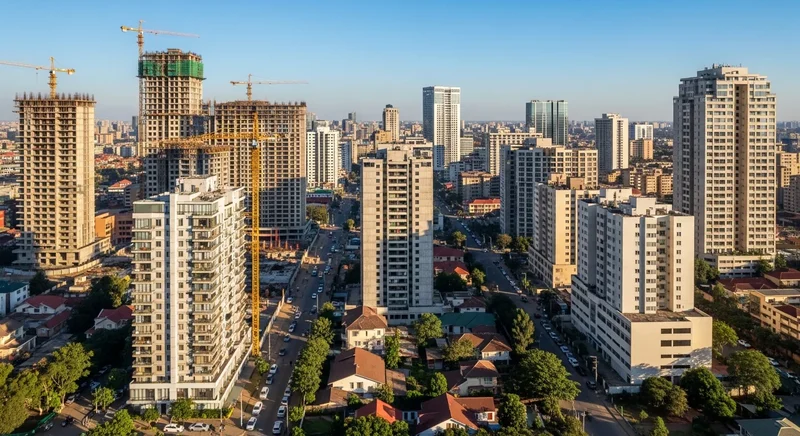
Is Kilimani Still the Dream Address Or a 24/7 Construction Zone Nightmare?
Kilimani, once a relatively quiet neighbourhood with shorter apartment complexes standing a few metres apart, is now home to towering high-rise developments. Due to convenience, its strategic location and proximity to key amenities, there is no doubt that Kilimani is still one of Nairobi’s most attractive places to live. For those who have lived in Kilimani for years, especially those who moved there for peace and privacy, this shift is becoming more noticeable. Either way, one thing is clear, something has to give. In Kilimani’s case, that trade-off is becoming more visible every day. Kilimani, once a relatively quiet neighbourhood with shorter apartment complexes standing a few metres apart, is now home to towering high-rise developments. The peace residents once enjoyed has gradually been replaced by the

What 10 Million Will (and Won’t) Get You in Kenya’s Property Market
On paper, 10 million feels like a decent budget. Enough to get something solid, something comfortable, something you can proudly call home. Essentially, it may not tick every box and that can be a hard pill to swallow, especially when expectations are shaped by what we see online. The sooner you understand what the market realistically offers, the easier it becomes to make a decision you won’t regret. I have this friend who was quite eager to purchase a home for their family. The budget was nothing more than 10M. This was not going to be their forever home, but just something to help them break from the monthly expense of paying rent. They wanted stability, to finally settle in one place and not have to worry about the possibility of being asked to move should things get tight. It’s an unspoken fear m
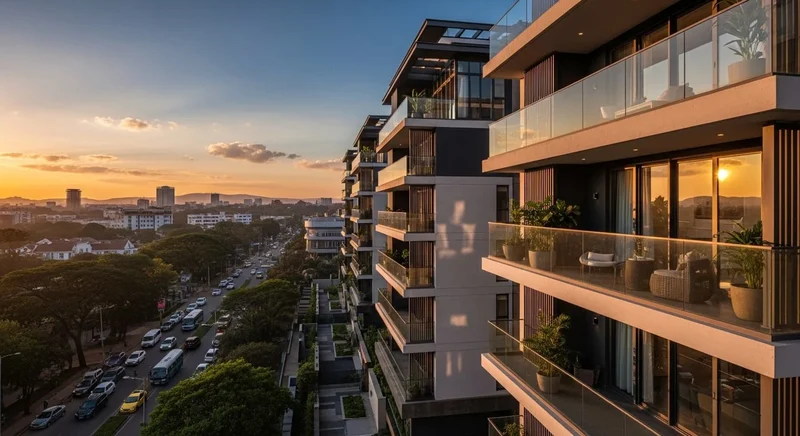
Why Kenya’s Real Estate Is So Expensive (And Where It Ranks)
Kenya isn’t necessarily the most expensive real estate market in East and Southern Africa. So why does it feel that way? Over time, property prices have risen much faster than the average income. Addressing affordability in Kenya’s real estate market will require a more deliberate and coordinated approach. Kenya’s real estate market is not simply expensive, it is complex. It reflects the realities of rapid urbanisation, rising development costs, and a growing gap between income and property prices. If you’ve ever gone house hunting in Nairobi or even browsed property listings online, chances are you’ve asked yourself the same question many Kenyans are quietly asking: why is real estate in Kenya so expensive? From rising rent to the cost of buying a home, the pressure is hard to ignore. Yet, interes
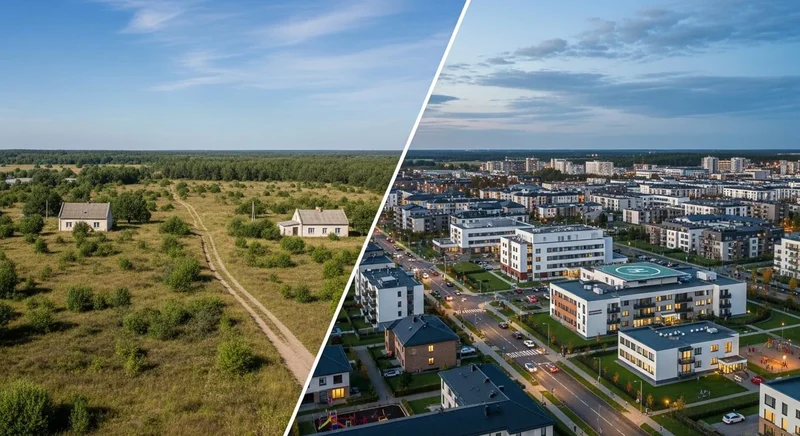
How to Spot Emerging Real Estate Hotspots in Kenya Before Everyone Else
As a little girl, I remember visiting my uncle at this place in Nairobi that at the time I didn’t know the name. My uncle’s house was one of two houses in the area, and in between the houses, was an 800m distance, a bushy one at that. I remember wondering why my uncle would decide to build his house in the middle of what I thought was nowhere. Why would he not want neighbours or life around: shops, hospitals, anything? What my little mind had not perceived yet, was the fact that my uncle was buying into a future he believed in. He speculated about growth and was bold enough to believe and take a step of faith. And he was right, because the area I am talking about is Kasarani. Kasarani right now is one of Nairobi’s bustling residential and commercial neighbourhoods and there are other satellite towns and neighbourhoods with the exact