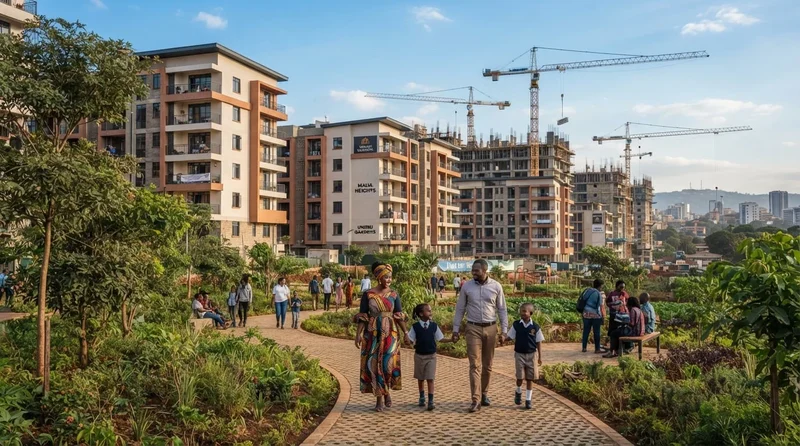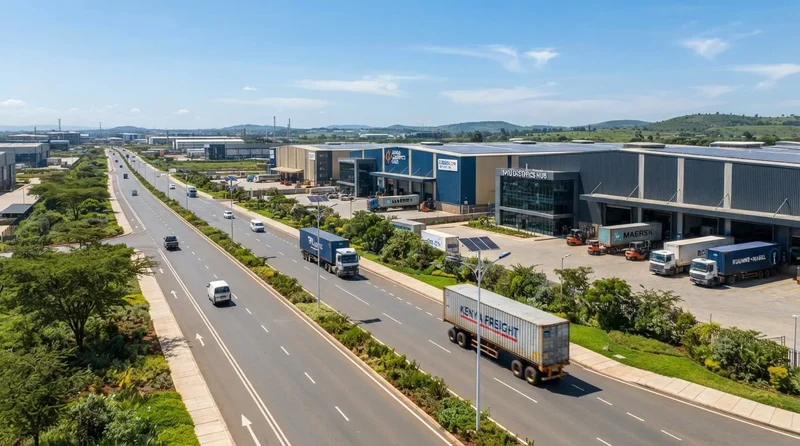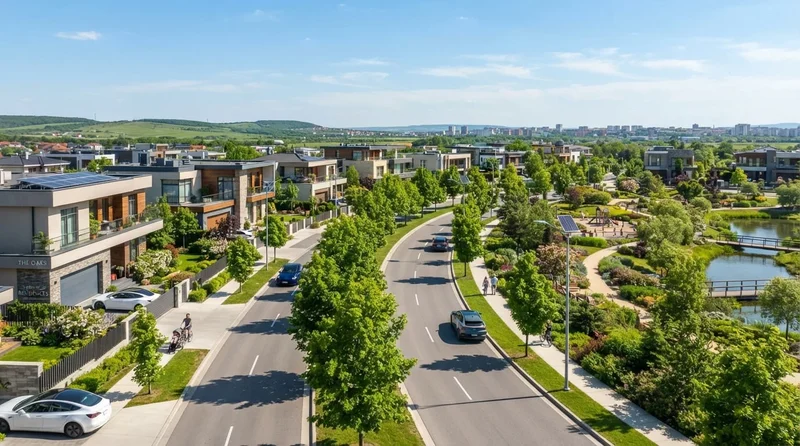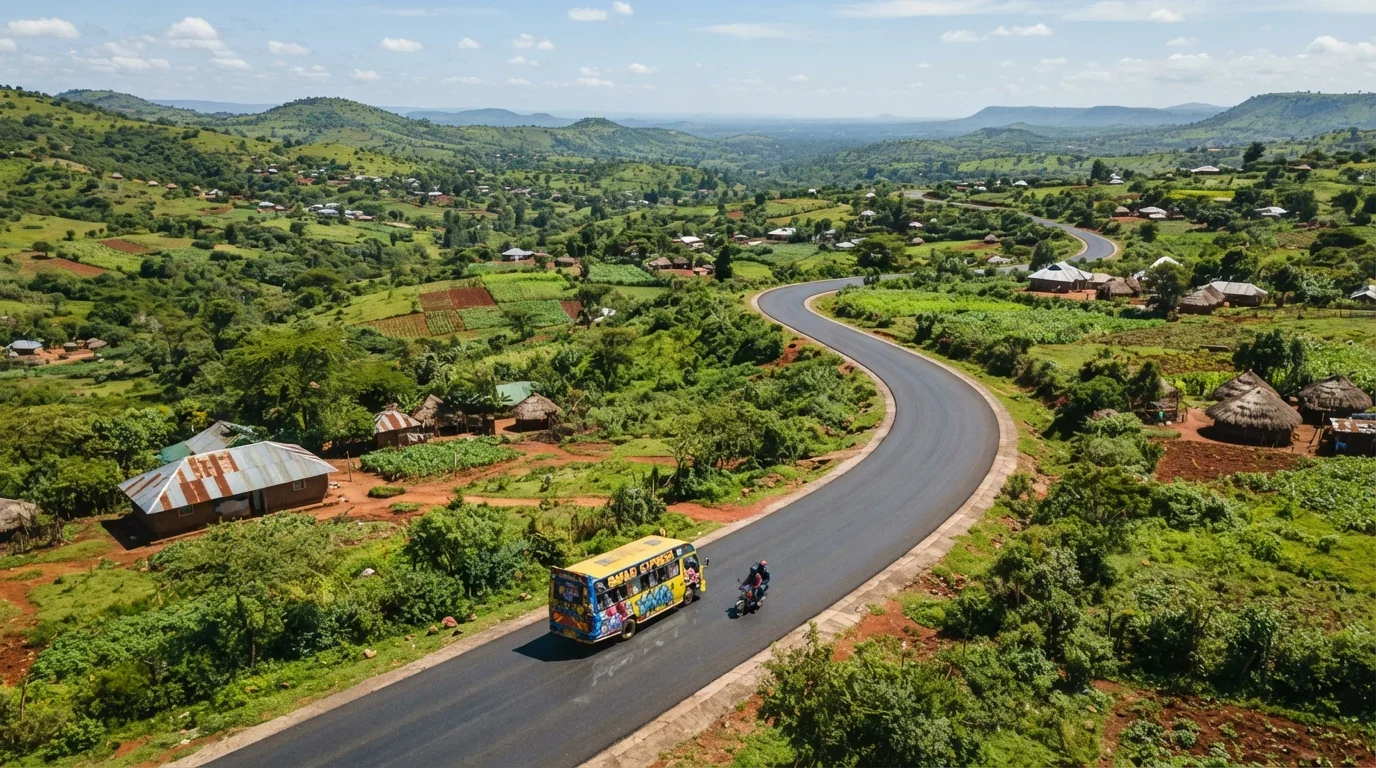
- Over the years, major infrastructure projects such as the Thika Superhighway, the Nairobi Expressway and Nairobi’s bypasses have transformed how people live, work and commute.
- As more people move in, businesses follow. Developers respond by building homes, retail centres and other amenities to meet the growing demand.
- Market reports from BuyRentKenya have also consistently identified infrastructure as one of the key factors influencing land performance.
When buying land, we often hear the same advice:
“Buy this land now. Just wait until they develop this area.”
For many property buyers, especially those investing in satellite towns and emerging urban centres, that promise is enough to influence a purchase. The thinking is simple: once a new road, bypass or highway is completed, property values will automatically increase.
It’s easy to see why people think that.
Over the years, major infrastructure projects such as the Thika Superhighway, the Nairobi Expressway and Nairobi’s bypasses have transformed how people live, work and commute. Areas that once felt too far from the city suddenly became more accessible, attracting homebuyers, businesses and developers.
But does a new road automatically increase property value?
Not quite.
READ ALSO: Kenya’s Building Boom: Strong Demand, Credit Growth, and Rising Real Estate Markets
Table of Contents
Why infrastructure matters
One of the biggest factors influencing property values is accessibility. When a new road reduces travel time and improves connectivity, an area becomes more attractive to people looking for a place to live or invest.
As more people move in, businesses follow. Developers respond by building homes, retail centres and other amenities to meet the growing demand. Over time, this increased activity can contribute to rising property values.
This is why infrastructure is often associated with appreciating land prices, but it’s only part of the picture.
Kenya has seen this happen
The Thika Superhighway helped unlock residential growth in Ruiru, Juja and Thika by making it easier for people to commute to Nairobi. Similarly, the Nairobi Expressway has strengthened demand along the Mombasa Road corridor, increasing interest in areas such as Syokimau and Athi River.
Ruaka is another good example. While improved road networks enhanced accessibility, its growth has also been supported by its proximity to Gigiri, Two Rivers Mall, international schools and a growing number of residential developments.
In each of these cases, infrastructure supported growth, but it wasn’t the only factor.
So why don’t all new roads increase property values?
This is where many buyers get caught out.
A road creates opportunity, not guaranteed appreciation.
If an area lacks reliable utilities, schools, healthcare facilities, commercial activity or sustained demand, improved accessibility alone may not be enough to drive property prices.
Infrastructure is most effective when it’s part of broader development rather than a standalone project.
What the data says
Kenya’s growing urban population is one reason infrastructure continues to shape the property market. According to the Kenya National Bureau of Statistics (KNBS), urbanisation continues to increase demand for housing beyond traditional city centres.
Market reports from BuyRentKenya have also consistently identified infrastructure as one of the key factors influencing land performance. However, these reports show that infrastructure delivers the greatest impact when it’s accompanied by population growth, employment opportunities and access to essential services.
In other words, roads matter, but they work best when other fundamentals are already in place.
What buyers should look at
If you’re considering buying land because a new road is coming up, don’t let that be your only reason.
Instead, ask yourself:
- Will the road improve access to major employment centres?
- What other developments are planned for the area?
- Are schools, hospitals, water and electricity already available?
- Is the population growing?
- Would you still see value in the area if the road wasn’t being built?
The answers will often tell you more about an area’s long-term potential than the road itself.
Conclusion
A new road can absolutely influence property values, but it doesn’t do so in isolation.
The strongest-performing locations are usually those where infrastructure is supported by growing demand, essential services, commercial activity and thoughtful planning.
So the next time someone tells you, “Buy now, the road is coming,” take a closer look. The road may be part of the story, but it shouldn’t be the whole story.
READ ALSO: How Urbanisation is Redefining Housing in Kenya