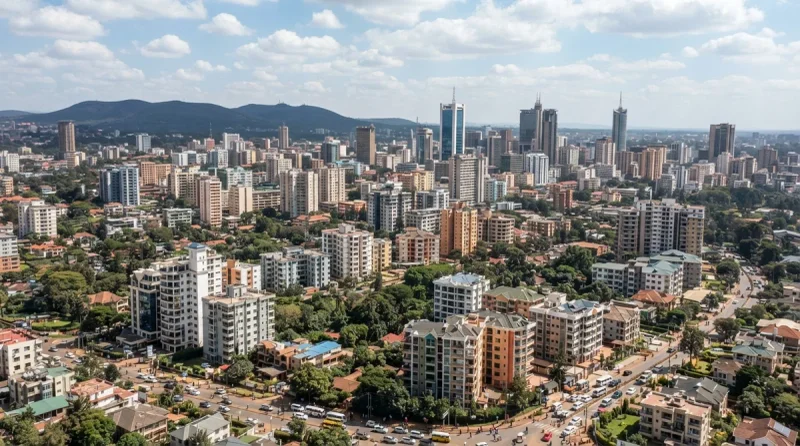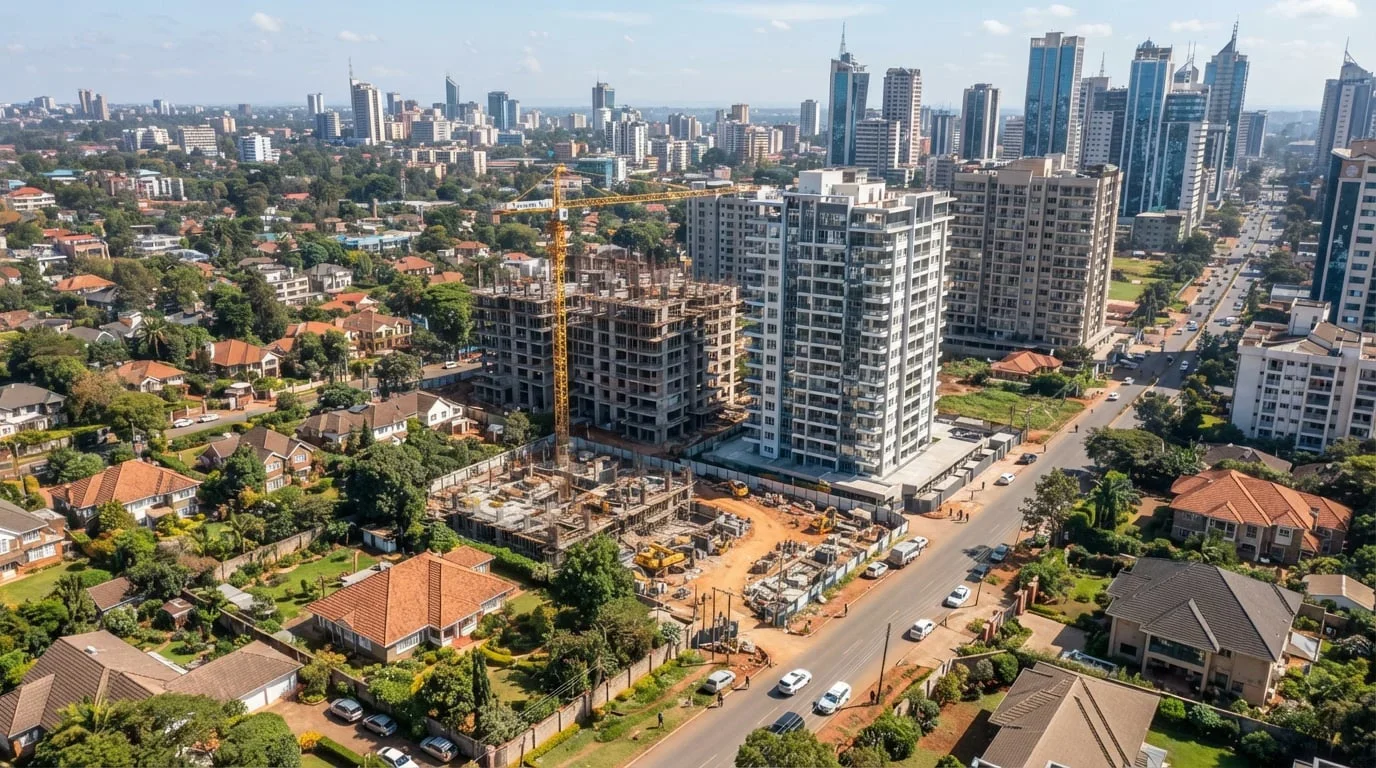
Drive through Westlands today and you’ll notice one thing almost immediately.
Crane after crane.
On one street, a new apartment block is just about complete. A few metres away, another one is rising. Around the corner, a billboard promises “Luxury Living Coming Soon.” Then another. And another.
It’s hard not to wonder: Who is buying all these apartments?
And perhaps the bigger question: What happens if they don’t?
It’s a conversation many Nairobians are already having. Some believe we’re heading for a housing bubble. Others worry that investors could be left with empty apartments, while developers continue building even more units.
They’re fair questions. But the answers aren’t as simple as yes or no.
READ ALSO: Is Westlands Still Worth It? Pros and Cons of Living in Nairobi’s Busy Hub
Table of Contents
Why Is Everyone Building in Westlands?
If you were a developer looking for where to invest, Westlands would probably be near the top of your list.
It sits close to Nairobi’s CBD, has excellent road connectivity thanks to the Expressway, hosts multinational companies, hotels, shopping malls, restaurants and entertainment spots, and continues to attract both local and international residents.
From a developer’s perspective, the demand makes sense.
Land is scarce, which means building upwards is often more profitable than building outwards. Apartments also allow developers to sell dozens or even hundreds of units on a single piece of land.
It’s a business decision.
But when almost every developer reaches the same conclusion at the same time, another question begins to emerge.
Is Demand Keeping Up?
This is where things become interesting.
While Westlands remains one of Nairobi’s most desirable addresses, the number of apartments coming onto the market has grown significantly over the last few years.
That doesn’t automatically mean there are too many homes.
But it does mean buyers and tenants now have far more options than they did a few years ago.
Recent market data has already shown signs of this shift. Apartment prices in Westlands have softened compared to previous years, suggesting that supply is beginning to grow faster than demand in parts of the market.
That’s not necessarily a sign of a collapsing market. It’s often what happens when competition increases.
Does More Supply Mean Empty Apartments?
Not always.
An apartment doesn’t need to remain empty forever for oversupply to affect the market.
Sometimes the impact shows up in different ways; developers may take longer to sell units; landlords may have to lower asking rents; Investors may wait longer before seeing property values appreciate.
Developers may begin offering flexible payment plans, discounts or furnished packages to attract buyers.
In other words, the market adjusts.
We’ve seen this happen in property markets around the world. Increased supply doesn’t always create ghost buildings. More often, it creates a more competitive market where buyers have greater choice and sellers have to work harder to stand out.
Not Every Apartment Will Perform the Same
One mistake people often make is assuming every apartment in Westlands will have the same future.
They won’t.
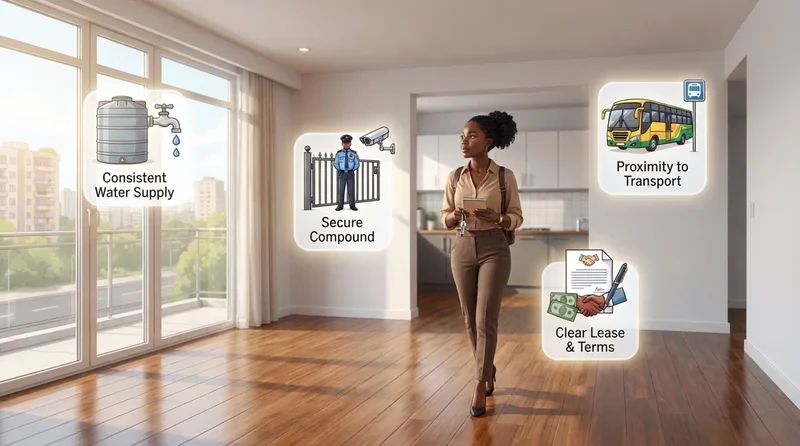
A well-designed development with quality finishes, reliable management, sufficient parking, backup power, security and attractive amenities is likely to perform very differently from a generic apartment that offers little to distinguish itself.
Location within Westlands also matters.
So does pricing. So does the reputation of the developer.
As buyers become more informed, these factors will matter even more.
What This Means for Buyers
If you’ve been thinking about buying in Westlands, this could actually work in your favour.
More competition often means:
- more choice,
- better payment plans,
- stronger negotiation power,
- and developers putting greater emphasis on quality and customer experience.
Instead of rushing into the first project you see, you’ll have the opportunity to compare developments more carefully.
That’s a healthy sign for any market.
What This Means for Investors
If you’re buying purely because “Westlands always goes up,” it may be time to rethink that strategy.
Future returns are likely to depend less on the neighbourhood alone and more on the individual development.
Questions like these become increasingly important:
- Who is the target tenant?
- What makes this development different from the dozens nearby?
- How many similar units are expected to be completed in the next few years?
- Will rental demand support the asking price?
- Is the developer known for delivering quality?
In today’s market, good investing requires more research than ever before.
The Bigger Picture
It’s worth remembering that Nairobi still faces a significant housing shortage.
The challenge isn’t simply the number of homes being built.
It’s whether we’re building the right homes, in the right places, at prices people can genuinely afford.
Many of the apartments rising across Westlands target middle- and upper-income buyers. Meanwhile, the greatest housing demand in Kenya remains within the affordable segment.
That’s why it’s possible for cranes to dominate the skyline while many Kenyans still struggle to find homes within their budget.
So, Is Westlands Building Too Much?
It’s too early to say.
But one thing is becoming clear, Westlands is entering a new phase.
Developers will no longer compete simply by putting up another apartment tower. They’ll increasingly compete on quality, value, design, amenities, pricing and trust.
For buyers, that’s good news; For investors, it means doing more homework.
And for developers, it may be a reminder that in a more competitive market, building more isn’t always enough. Building better could be what sets the next successful project apart.
READ ALSO: Westlands Residential Market – A Comprehensive Overview