- With weather experts forecasting the return of El Niño conditions, one question is worth asking.
- When heavy rains hit, it’s easy to blame the weather. But the reality is more complex.
- If possible, visit the area after a storm or speak to residents who have lived there for several years.
- Whether you’re buying your first home, managing rental properties or developing the next apartment block, taking action now could save you significant costs later.
Early this year, many of us watched video after video of the devastation left behind by the rains.
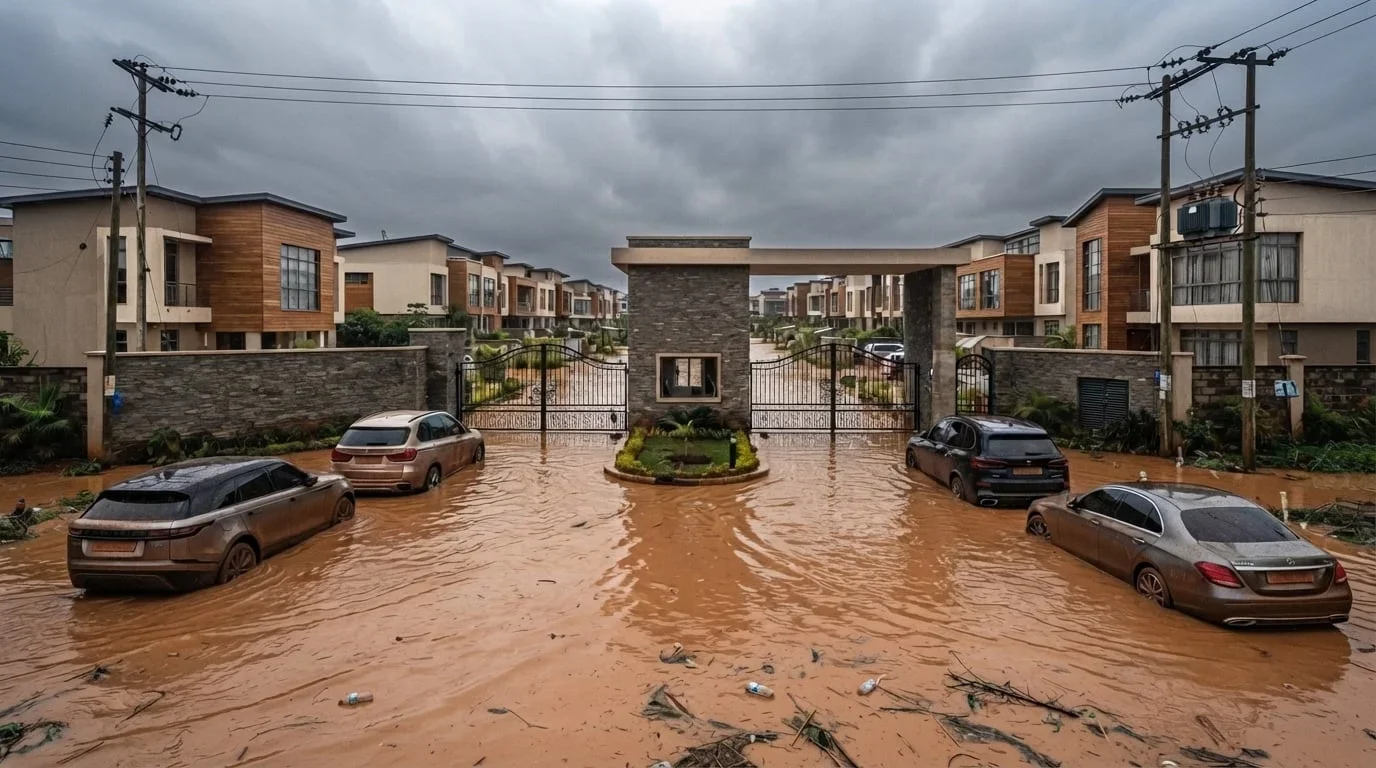
Apartment compounds were submerged. Standalone homes were flooded. Cars disappeared beneath murky water. Roads became impassable, businesses shut their doors and, tragically, lives were lost.
Sadly, this wasn’t the first time Kenya had experienced such destruction. But for many people, especially those living in Nairobi, its surrounding suburbs and satellite towns, it certainly felt like one of the worst.
With weather experts forecasting the return of El Niño conditions, one question is worth asking:
Is your property ready?
READ ALSO: Built Too Fast, Planned Too Late: Inside Nairobi’s Flooding Crisis
Table of Contents
Why Does It Feel Worse Every Time It Rains?
When heavy rains hit, it’s easy to blame the weather. But the reality is more complex.
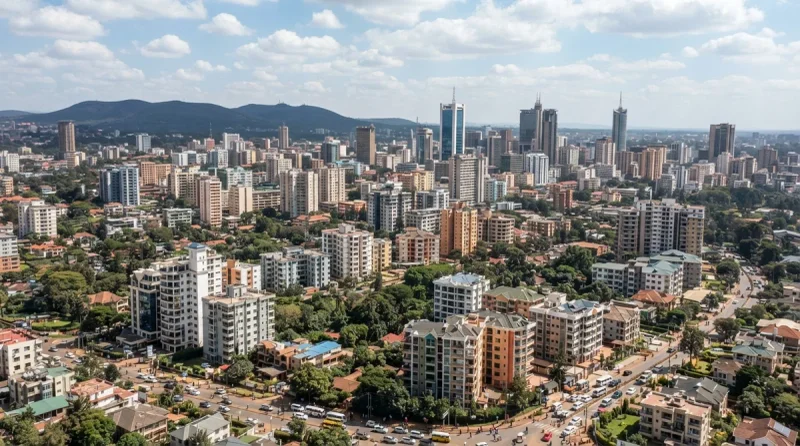
Over the last decade, neighbourhoods that were once sparsely populated have transformed into densely built-up urban centres. Apartment blocks have replaced open spaces, gated communities have expanded and populations have grown significantly. Yet in many of these areas, the supporting infrastructure hasn’t kept pace.
Drainage systems that were built years ago are now expected to serve thousands more homes and businesses. In some estates, drainage channels are blocked or poorly maintained. In others, rapid development has reduced the natural spaces where rainwater would once drain or be absorbed into the ground.
The result?
Areas that rarely flooded in the past are now experiencing severe flooding after just a few hours of heavy rainfall.
As our towns and cities continue to grow, the question isn’t just how much rain will fall. It’s whether the places we live in have been built to handle it.
Flooding Doesn’t Just Damage Homes. It Damages Investments.
For most homeowners, the immediate concern after a flood is cleaning up the mess.
But flooding can have long-term consequences that aren’t always visible straight away.
Water can weaken walls and foundations, damage electrical systems, ruin flooring and create damp conditions that lead to mold. Repairs can be expensive, and in severe cases, families may be forced to leave their homes while restoration work takes place.
For landlords, flooding can result in vacant units, unhappy tenants and unexpected maintenance costs.
For developers, repeated flooding can affect the reputation of a project and discourage future buyers.
And for investors, properties in flood-prone areas may become harder to sell or rent, affecting both demand and long-term value.
Buying Property? Don’t Wait Until the Rains to Find Out.
A beautiful home on a sunny day can tell a very different story during the rainy season.
Before buying a property, take time to understand the neighbourhood beyond what you see during a viewing.
Has the area flooded before?
How quickly does water drain after heavy rainfall?
Are drainage systems visible and well maintained?
If possible, visit the area after a storm or speak to residents who have lived there for several years. They’ll often have valuable insights into how the neighbourhood performs during the rainy season.
A little research today could save you significant costs tomorrow.
How Homeowners Can Prepare Before El Niño
While no one can stop the rains, there are practical steps that can reduce the risk of damage.
Start by cleaning gutters, downpipes and drainage channels around your property. Check your roof for loose sheets, cracked tiles or leaks that could worsen during heavy rainfall.
Inspect perimeter walls and foundations for cracks, and make sure water flows away from your home rather than collecting around it.
If you own rental property, inspect common areas before the rains begin and encourage tenants to report blocked drains or leaks as soon as they notice them.
It’s also a good time to review your property insurance. Take time to understand what your policy covers and whether flood-related damage is included. If you don’t have one yet, ensure you look into it!
Preparation won’t stop the rain, but it can reduce the damage it leaves behind.
A Reminder for Developers and County Governments
The responsibility doesn’t rest solely with homeowners.
As more housing developments continue to emerge across Nairobi and other growing towns, infrastructure must grow alongside them.
Roads, drainage systems and stormwater channels that were designed decades ago are now serving communities that have grown far beyond their original capacity.
Future developments should not only meet today’s housing demand but also consider tomorrow’s climate realities. Better planning, improved drainage infrastructure and responsible development will be critical in making our towns and cities more resilient.
The Bottom Line
Every rainy season leaves behind lessons.
Some are about the strength of our homes. Others are about the way we’ve planned our neighbourhoods and managed our growth.
With El Niño forecast once again, this is the time to prepare, not panic.
Whether you’re buying your first home, managing rental properties or developing the next apartment block, taking action now could save you significant costs later.
Because when the first heavy rains arrive, it won’t just be the weather that’s being tested.
It will be our homes, our investments and the decisions we’ve made long before the clouds appeared.
READ ALSO: 5 Reasons You Need Home Insurance – Getting Home Insurance in Kenya