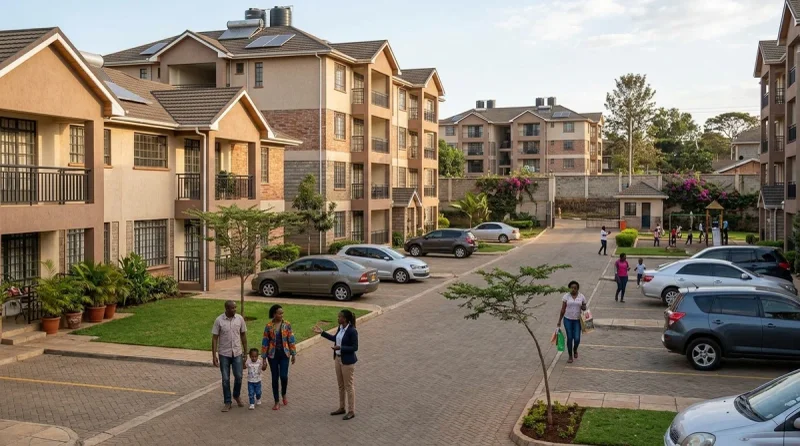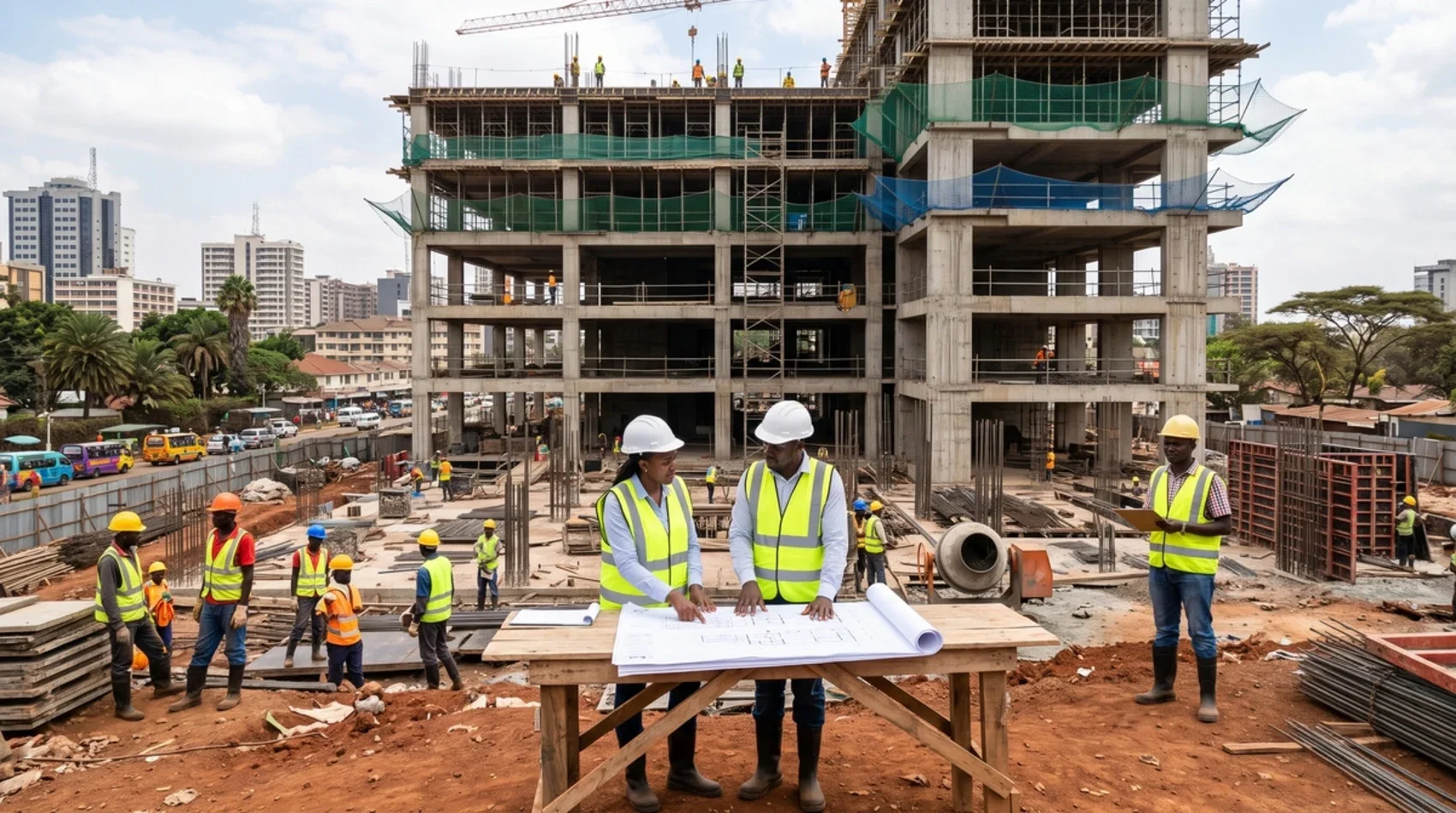
- Plans have to be drawn, approvals obtained, materials sourced and construction work carried out.
- Developing property is not just about putting up a building and finding buyers or tenants. It also means ensuring that the project meets the required building standards.
- Buildings need regular maintenance and inspections, even after people have moved in.
- The Eastleigh tragedy has reminded us why this question matters.
The recent building collapse in Eastleigh has raised an important question about construction and building safety in Kenya: Who makes sure a building is safe before people move in?
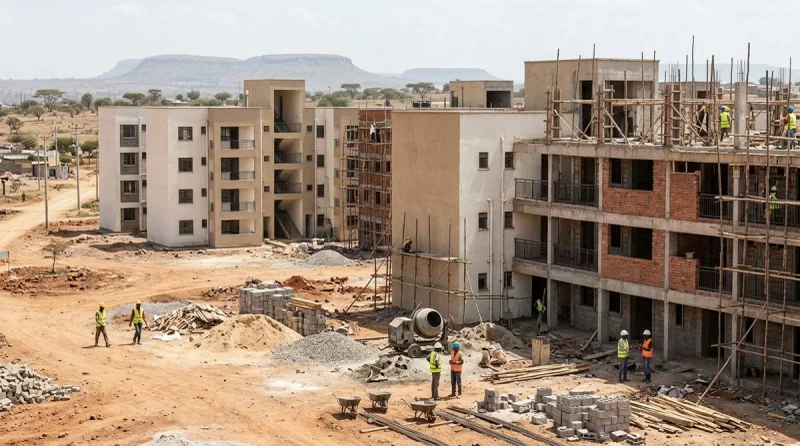
When we look at a completed building, we often focus on its design, location, space and finishes. But there is a lot that happens before it gets to that stage. Plans have to be drawn, approvals obtained, materials sourced and construction work carried out.
And behind all this are different people and institutions responsible for making sure things are done properly.
So, who does what?
READ ALSO: Building Without Boundaries: How Unregulated Building Practices are Affecting Us
The developer
Every building project starts with a developer or property owner who decides to put up the structure. They are responsible for organising and financing the project, getting the necessary approvals and hiring qualified professionals.
But developing property is not just about putting up a building and finding buyers or tenants. It also means ensuring that the project meets the required building standards.
The architect and structural engineer
These two professionals have different but equally important roles.
The architect works on how the building will look and function, including its layout, design and use of space.
The structural engineer focuses on the strength and stability of the building. They assess and design important parts such as the foundation, columns and beams to ensure the structure can safely support the expected loads.
Simply put, a building needs to look good, but it also needs to be safe.
The contractor
Once the plans are approved, construction begins. The contractor is responsible for turning those plans into an actual building.
This means following the approved designs, using the right materials and ensuring that construction is carried out properly.
Even the best building plans can run into problems if they are not followed during construction.
The regulatory authorities
Who checks that everyone is following the rules?
In Kenya, several institutions are involved in regulating and overseeing construction.
-
County governments review and approve building plans and oversee development within their jurisdictions.
-
The National Construction Authority (NCA) regulates the construction industry, registers contractors and construction projects, and monitors compliance.
-
The National Buildings Inspectorate (NBI) carries out building inspections and safety assessments.
-
The National Environment Management Authority (NEMA) oversees environmental approvals and compliance where required.
Each institution has a different role, but together they help ensure that buildings meet the required standards.
Does building safety end when construction is complete?
Not at all.
Buildings need regular maintenance and inspections, even after people have moved in. Changes to the original structure, poor maintenance and unauthorised renovations can affect a building's safety over time.
Property owners and managers also have a responsibility to address maintenance issues and seek professional help when structural concerns arise.
READ ALSO: When the Center Can’t Hold: Unsafe Buildings Crisis in Kenya
So, who is responsible?
The Eastleigh tragedy has reminded us why this question matters. While investigations are needed to establish exactly what happened, building safety is a responsibility shared by everyone involved in the development process.
From the developer who initiates the project to the professionals who design and construct it, and the authorities responsible for oversight, everyone has a role to play.
Ultimately, putting up a building should never be just about how quickly it can be completed or how much it can earn. It should also be about the safety of the people who will live and work in it.
Because a building is more than just bricks, concrete and steel. It is a place where people should feel safe.