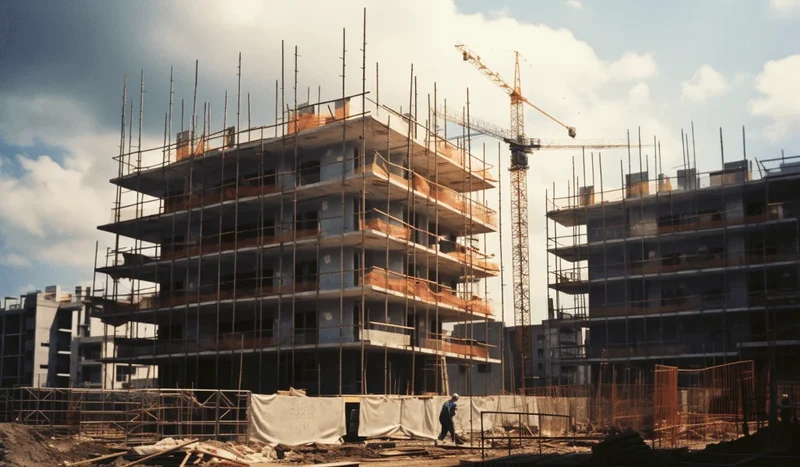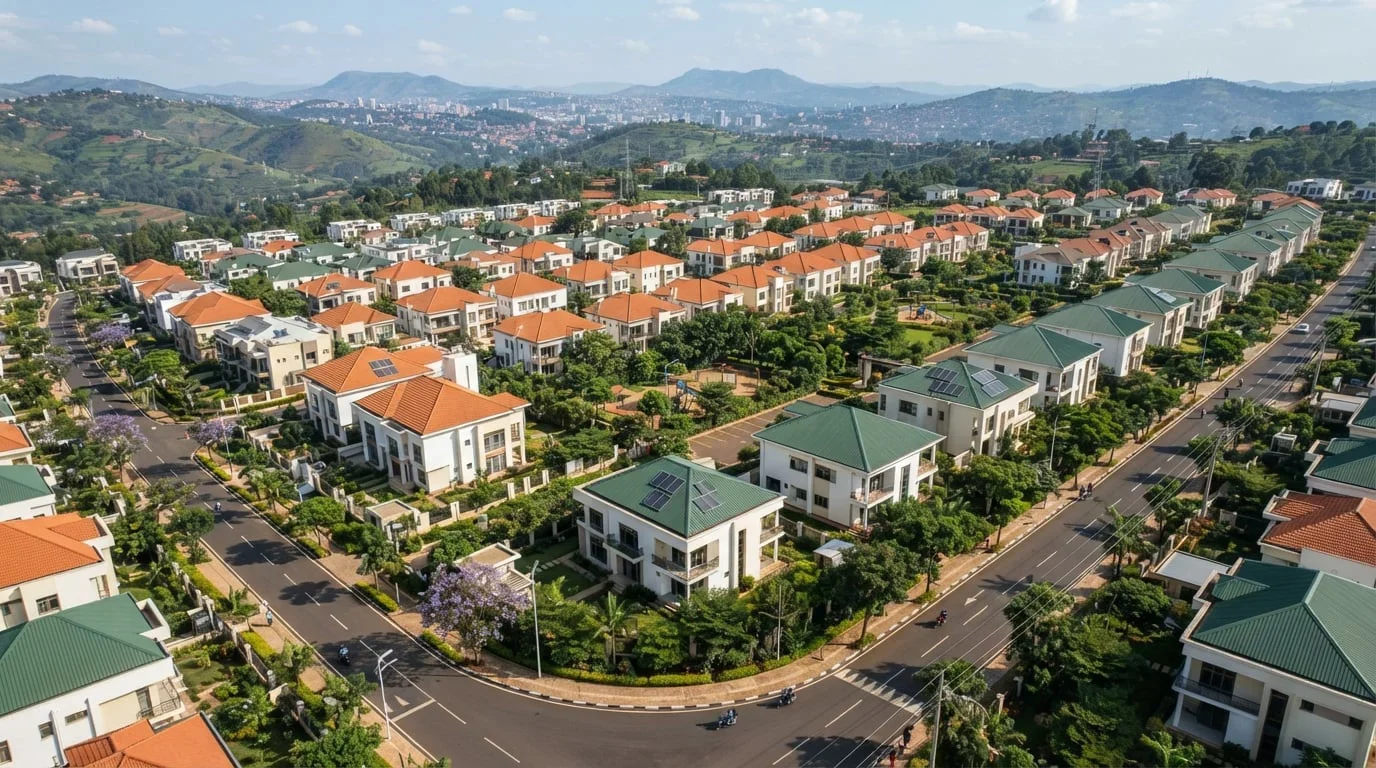
- Last month, Rwanda’s Environment Management Authority (REMA) proposed studying a gradual shift away from individual homebuilding in favour of professionally planned housing developments.
- As populations increase, so does the demand for roads, drainage systems, sewer networks, electricity, schools and healthcare.
- Land ownership patterns, cultural preferences and financing options all shape how people become homeowners.
- It’s no longer just about building more homes. It’s about building communities that are safer, better connected and equipped.
For many people across East Africa, building a home has always been a personal journey. Buy a piece of land, build when you can and expand over time as your finances allow.
But Rwanda is beginning to question whether that model is sustainable for rapidly growing cities.
Last month, Rwanda’s Environment Management Authority (REMA) proposed studying a gradual shift away from individual homebuilding in favour of professionally planned housing developments.
Speaking before a Senate committee, REMA Director General Juliet Kabera argued that when thousands of people build independently, it becomes increasingly difficult to enforce construction and environmental standards. She pointed to issues such as drainage, wastewater management, rainwater harvesting and ensuring homes are built on suitable land.
The proposal, which is still under study and is not yet government policy, suggests that organised developers may be better placed to meet these standards while reducing disaster risks linked to climate change.
Kabera even pointed to Singapore as an example of a country that has embraced coordinated urban planning to support sustainable growth.
The proposal has already sparked debate in Rwanda, particularly around affordability and whether limiting individual homebuilding would reduce opportunities for people to build homes at their own pace.
But beyond the debate, it raises an interesting question for Kenya.
READ ALSO: Construction Laws Kenya: 6 Things to Know About Eurocodes
Table of Contents
Is this really about who builds the house?
Not entirely.
At its core, Rwanda’s proposal is about how cities grow.
As populations increase, so does the demand for roads, drainage systems, sewer networks, electricity, schools and healthcare. When development happens in a coordinated way, governments and utility providers can often plan and deliver these services more efficiently.
When it happens plot by plot over many years, planning becomes more complex, particularly in areas vulnerable to flooding, landslides or environmental degradation.
That’s one of the key concerns REMA is trying to address.
Other countries have taken a similar approach
Rwanda isn’t the first country to promote more coordinated housing development.
Singapore is perhaps one of the best-known examples. Through long-term urban planning and public housing programmes, the country has developed integrated neighbourhoods where housing is planned alongside roads, public transport, schools, healthcare facilities and green spaces. Today, around 80% of Singapore’s residents live in government-developed housing managed by the Housing & Development Board (HDB), which has become a cornerstone of the country’s orderly urban growth.
In the Netherlands, new residential developments are typically delivered with supporting infrastructure already in place, from cycling networks and drainage systems to utilities and public amenities. Strict planning regulations help ensure that neighbourhoods grow in a coordinated manner rather than through scattered development.
Even closer to home, Rwanda’s Kigali Master Plan has increasingly focused on compact, mixed-use neighbourhoods designed to make better use of land while supporting infrastructure and environmental protection.
These examples don’t eliminate private homeownership. Rather, they show how different countries are trying to balance individual aspirations with long-term urban planning.
What about Kenya?
Kenya’s housing journey has traditionally looked different.
For many families, buying land and building gradually remains one of the most accessible paths to homeownership. It offers flexibility, allows homeowners to build within their means and gives them greater control over the design of their homes.
At the same time, Kenya is also seeing growing demand for gated communities, apartment developments and master-planned neighbourhoods, particularly in urban centres and satellite towns.
Projects like Tatu City, Tilisi, Konza Technopolis and other integrated developments reflect a broader shift towards communities where roads, utilities, schools, commercial centres and public spaces are planned together rather than added over time.
That doesn’t necessarily mean Kenya is moving away from self-build housing. But it does highlight a growing recognition that as cities expand, planning becomes just as important as construction.
Could a similar approach work in Kenya?
Kenya’s context is different.
Land ownership patterns, cultural preferences and financing options all shape how people become homeowners. For many, self-building remains the most practical route because it allows construction to happen in phases rather than requiring the upfront cost of purchasing a completed home.
Yet Rwanda’s proposal raises important questions that are equally relevant here.
How do we ensure neighbourhoods have adequate drainage before they’re fully developed?
Can infrastructure keep pace with rapid urban growth?
How do we protect people from building in flood-prone or environmentally sensitive areas?
And how do we balance individual choice with the need to build safer, more resilient communities?
The bigger conversation
Whether Rwanda eventually adopts the proposal or not, one thing is clear: across East Africa, the conversation about housing is evolving.
It’s no longer just about building more homes. It’s about building communities that are safer, better connected and equipped to support growing populations in the face of urbanisation and climate change.
For Kenya, that’s a conversation worth paying attention to.
READ ALSO: Changes in Land Use and Zoning Laws Over the Years in Kenya