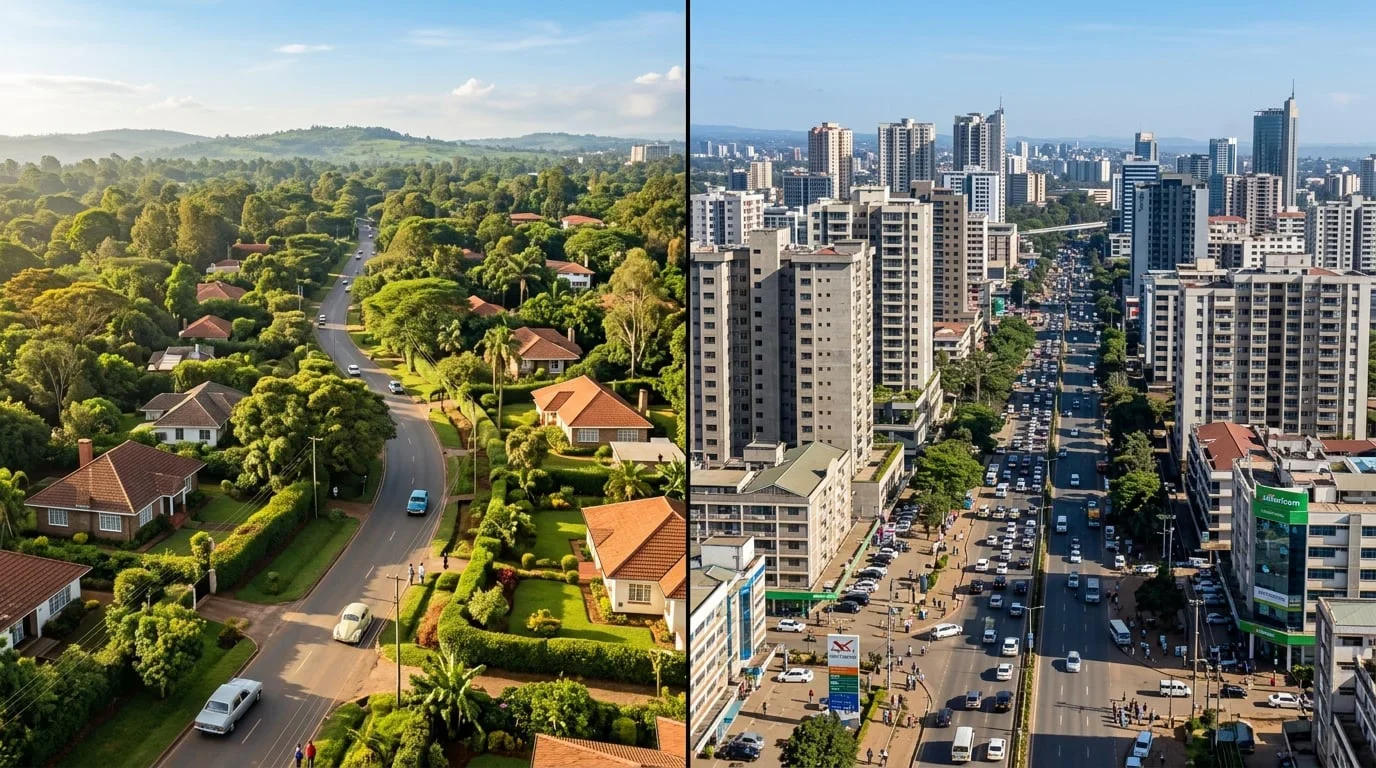
- Nairobi’s population has grown significantly over the years.
- From a developer’s perspective, the math is straightforward. A plot that once housed a single family can now accommodate dozens of apartments.
- Growth should improve a neighbourhood, not diminish what made it attractive in the first place.
- As we continue building higher and denser, it’s worth asking whether we’re creating neighbourhoods people genuinely want to live in.
Growing up, one of my favourite places to visit was Westlands.
Back then, going to Westlands felt like a treat. Sarit Centre was the mall. The roads were quieter, there were trees everywhere, and the area had a certain charm about it. Most of the buildings weren’t particularly tall, and it wasn’t unusual to see standalone homes sitting on large compounds.
I remember thinking that this was exactly where I wanted to live when I grew up.
The same could be said for places like Kilimani, Parklands, Hurlingham and even parts of Lavington. They felt spacious. They felt green. More importantly, they felt like neighbourhoods.
Today, things look very different.
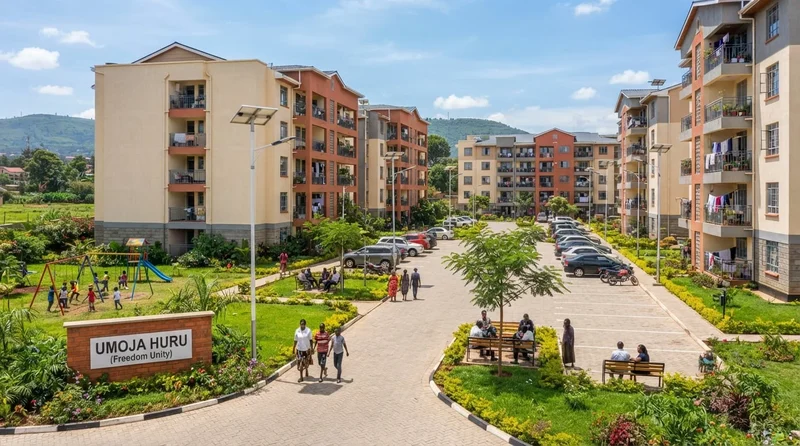
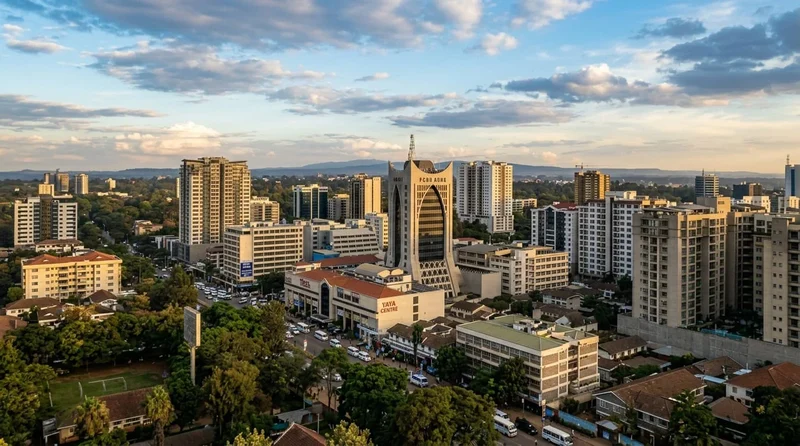
Drive through any of these areas and you’ll likely see apartment blocks, office buildings and construction sites at almost every turn. Many of the homes that once stood there are long gone, replaced by developments that can accommodate hundreds of residents.
Of course, cities are supposed to grow. Nairobi was never going to stay the same forever.
But sometimes I find myself wondering whether we’ve gone from development to overdevelopment.
READ ALSO: Nairobi vs Dubai: A Tale of Two Real Estate Markets
Table of Contents
How Did We Get Here?
Part of the answer is simple: demand.
Nairobi’s population has grown significantly over the years, and with that comes the need for more housing, more office space and more commercial developments.
At the same time, land in areas such as Westlands, Kilimani and Parklands has become incredibly valuable. For many property owners, selling to a developer makes far more financial sense than holding onto an old standalone house.
And from a developer’s perspective, the math is straightforward. A plot that once housed a single family can now accommodate dozens of apartments.
The business case is clear.
But does that automatically make it the right thing to do?
Are We Building More Than We Need?
This is where things get interesting.
If demand is as high as we often hear, why do some buildings still struggle to fill up? Why do we continue to see vacant office spaces and apartment units sitting empty months after completion?
To be fair, not every property is struggling. Well-priced developments in good locations continue to perform well.
But it’s becoming harder to ignore the growing number of empty units in certain parts of the city.
Perhaps the issue isn’t just demand and supply. Perhaps it’s that we’re building a lot of the same thing while overlooking what the market actually needs.
Can Our Infrastructure Keep Up?
Every new development brings more people, more cars and greater pressure on existing infrastructure.
Yet many of these neighbourhoods already struggle with traffic congestion, drainage issues and pressure on utilities.
The question isn’t whether we should build.
The question is whether our roads, water systems, sewer networks and public spaces are growing at the same pace as the buildings.
Because if they’re not, then we’re setting ourselves up for bigger challenges in the future.
What Kind of City Do We Want?
This isn’t an argument against development.
Nairobi needs housing. It needs investment. It needs growth.
But growth should improve a neighbourhood, not diminish what made it attractive in the first place.
The Westlands many of us remember may never return, and perhaps that’s okay. Cities evolve.
But as we continue building higher and denser, it’s worth asking whether we’re creating neighbourhoods people genuinely want to live in, or simply trying to maximise every square metre of land available.
Because once the trees are gone, the traffic becomes unbearable and the character of a neighbourhood disappears, getting it back is much harder than putting up another building.