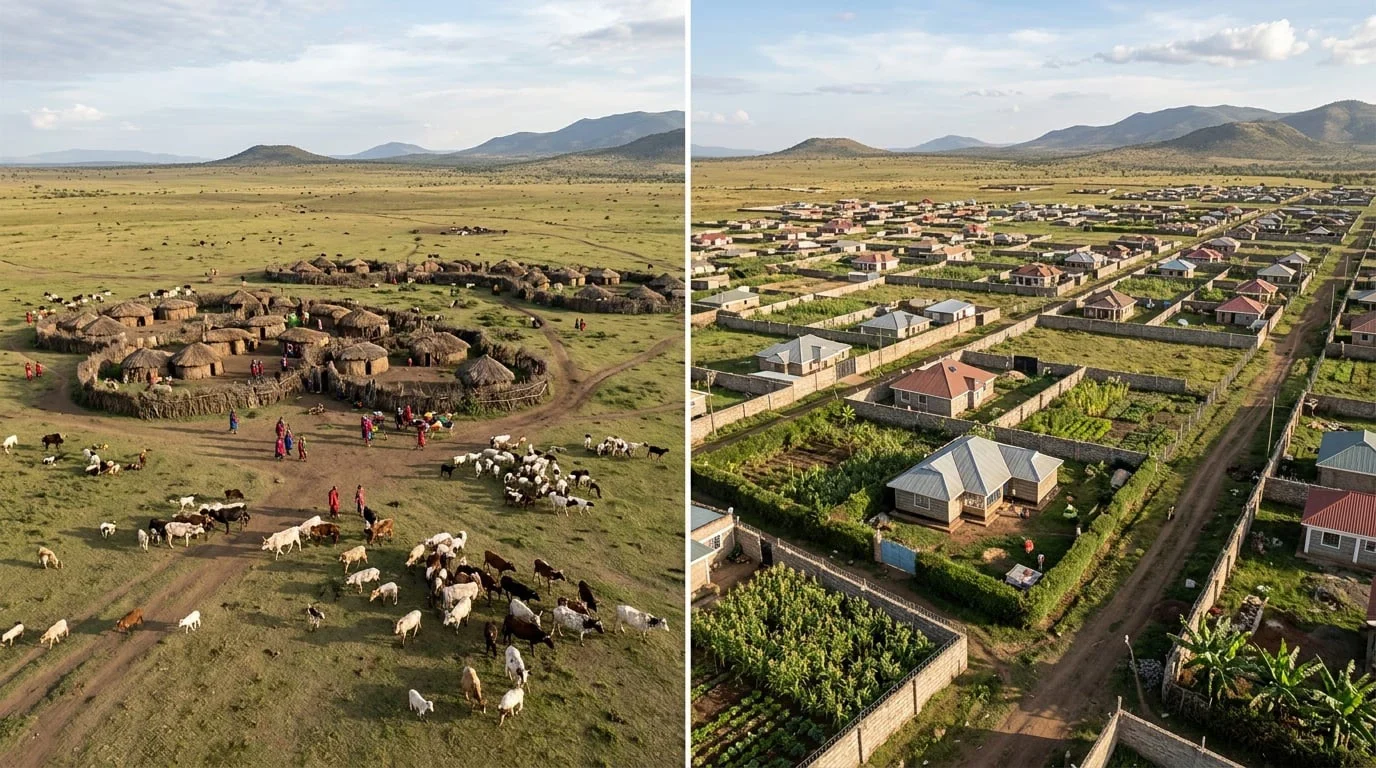
- Land ownership systems existed in Kenya long before colonialism. It just looked very different from the systems we know today.
- Before the arrival of colonial rule, land was largely communal. It belonged to clans, families, or entire communities rather than individual people.
- One of the most significant changes introduced during the colonial period was leasehold tenure.
- Over time, the government moved away from issuing 999-year leases and adopted 99-year leases as the standard for most leasehold properties.
The recent conversations around freehold and leasehold land ownership have left many Kenyans asking questions. What exactly is a leasehold title? Why do some properties have a 99-year lease? And where did these systems come from in the first place?
To understand the answers, we need to go back in time.
Many people are surprised to learn that land ownership systems existed in Kenya long before colonialism. They looked very different from the systems we know today, but they worked for the communities that relied on them.
Table of Contents
Before Colonialism
Before the arrival of colonial rule, land was largely communal. It belonged to clans, families, or entire communities rather than individual people.
Land was more than just a resource. It was tied to identity, culture, livelihood, and heritage. Families cultivated it, grazed livestock on it, and passed the right to use it from one generation to the next. However, individuals did not “own” land in the way we understand ownership today.
Land could not be freely bought, sold, or leased. Instead, communities acted as custodians, preserving it for future generations while honouring those who had come before them.
People often lived among members of their own ethnic communities, occupying territories that had been recognized over time. This made land allocation and inheritance relatively straightforward.
When disputes arose, elders, chiefs, and community leaders resolved them through customary laws and traditions. Their role was to ensure fairness and maintain harmony within the community.
Then Came Colonialism
The arrival of colonial rule dramatically changed how land was viewed and managed.
The colonial administration introduced formal land registration systems, title deeds, and legal ownership structures. For the first time, land became something that could be surveyed, documented, allocated, transferred, and controlled through written laws.
Large tracts of fertile land were taken over by colonial settlers, particularly in what became known as the White Highlands. Communities that had occupied these areas for generations often found themselves displaced or restricted in how they could access and use the land.
This marked a significant shift from communal ownership to individual land rights and laid the foundation for Kenya’s modern land tenure system.
The Introduction of Leasehold Tenure
One of the most significant changes introduced during the colonial period was leasehold tenure.
Under a leasehold system, an individual or organization is granted the right to occupy and use land for a specific period of time while ownership remains with the granting authority, usually the government.
This allowed the colonial administration to maintain ultimate control over land while encouraging settlement, investment, and development.
Unlike the communal systems that existed before, leasehold tenure introduced the concept of time-bound land rights. People could use and develop land, but only for a defined period.
Over time, leasehold tenure became common, particularly in urban centres and on government-owned land.
The 999 Years Lease Tenure
One interesting aspect of Kenya’s land history is that leasehold periods were not always 99 years.
During the colonial era, many leases were issued for up to 999 years. In reality, a lease of that length offered rights that were almost identical to ownership. A person could develop the land, transfer it, inherit it, and use it for generations without worrying about the lease coming to an end.
The colonial government adopted these lengthy lease periods to encourage investment and long-term development while still technically retaining ownership of the land.
For investors and settlers, a 999-year lease provided security and confidence to build homes, farms, businesses, and infrastructure.
From 999 Years to 99 Years
Following independence in 1963, Kenya inherited much of the colonial land administration system. However, as the country grew and demand for land increased, policymakers began rethinking how land should be managed.
Land was becoming an increasingly scarce and valuable resource, especially in urban areas. There was a growing need to ensure that future generations would also have a say in how public land was used.
Over time, the government moved away from issuing 999-year leases and adopted 99-year leases as the standard for most leasehold properties.
The idea was simple: provide individuals and investors with enough time to develop and benefit from land while allowing the government an opportunity to review land use in the future.
A 99-year lease created a framework that allowed land management policies to evolve with changing economic, social, and development needs.
What This Means for Landowners Today
Kenya’s land tenure system is the result of decades of historical change.
The country has moved from communal ownership, to colonial land administration, and eventually to the mixed freehold and leasehold system we know today.
At the same time, society itself has evolved. Unlike the past, when communities largely lived within their traditional territories, modern Kenyans often buy land and settle wherever opportunities, lifestyle preferences, or investment goals take them.
Understanding the history of land leases helps explain why conversations around leasehold and freehold ownership remain important today. These debates are not simply about title deeds or legal documents. They are rooted in a long history that continues to shape how land is owned, used, and managed across the country.
As Kenya continues to grow, one thing remains clear: land has always been more than just property. It is a source of identity, wealth, opportunity, and legacy. Understanding its past is essential to understanding its future.