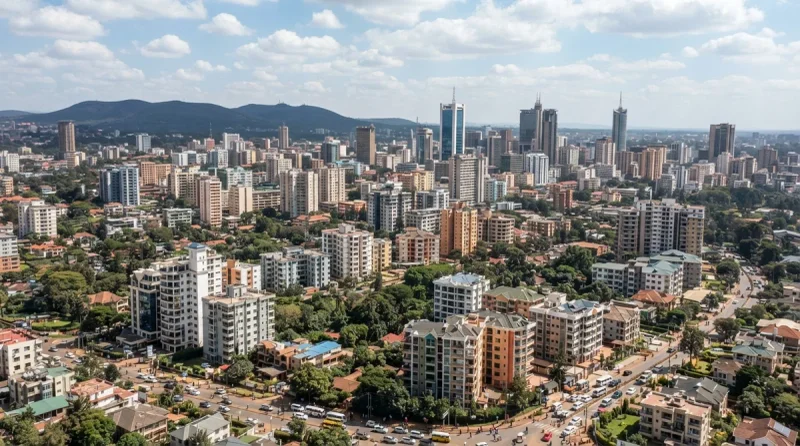
Kikuyu has quietly become one of the most sought-after satellite towns around Nairobi. Located approximately 20 kilometres from the city centre, the area offers a blend of affordability, accessibility, quality social amenities, and growing investment potential that continues to attract families, professionals, and first-time homebuyers.
Unlike some rapidly growing satellite towns that are still developing their social infrastructure, Kikuyu benefits from established schools, healthcare facilities, shopping centres, and transport networks. Combined with its proximity to Nairobi and improving road infrastructure, the town has emerged as one of the strongest residential and investment locations in Kiambu County.
Whether you’re considering buying a home, investing in land, or relocating from Nairobi, here’s what you need to know about living in Kikuyu in 2026.
Table of Contents
Kikuyu at a Glance
Best Known For
- Family-friendly living
- Reputable schools
- Affordable housing
- Easy access to Nairobi
- Growing property market
- Green and spacious environment
Best Suited For
- Families
- First-time homebuyers
- Professionals working in Nairobi
- Retirees
- Long-term property investors
Overall Vibe
Suburban, peaceful, community-oriented, and steadily growing.
Where is Kikuyu Located?
Kikuyu sits within Kiambu County and forms part of Nairobi’s expanding metropolitan region. The town enjoys excellent connectivity through major roads including the Southern Bypass, Western Bypass, Waiyaki Way, and the Nairobi-Nakuru Highway.
These transport links have significantly improved accessibility to major employment hubs such as Nairobi CBD, Westlands, Upper Hill, Karen, and Industrial Area, making Kikuyu a practical option for daily commuters.
Its strategic location has been one of the biggest drivers of residential and commercial growth over the last decade.
What Is It Like Living in Kikuyu?

Life in Kikuyu offers a noticeably different experience from Nairobi’s high-density neighbourhoods.
The area is characterised by lower-density development, larger residential compounds, more greenery, and a slower pace of life. Many residents are drawn to the area because it provides a better balance between work and home life while remaining connected to the city.
Weekdays tend to be relatively calm, while weekends bring activity around shopping centres, local markets, restaurants, and recreation spots.
For families especially, Kikuyu offers the kind of space and community atmosphere that is becoming increasingly difficult to find in many parts of Nairobi.
Schools in Kikuyu
One of Kikuyu’s strongest advantages is access to quality education.
The area is home to several well-known institutions that attract families from across the region.
Some of the notable schools include:
- Alliance High School & Alliance Girls’ High School
- Ubuntu Junior Academy
- Green Garden Schools
- Woodford Hill School
- Damacrest Schools
- Musa Gitau Primary School
The presence of these institutions continues to support demand for family housing and contributes to the area’s long-term attractiveness.
Healthcare Facilities
Residents have access to a growing number of healthcare facilities that cater to both primary and specialist medical needs.
Notable facilities include:
- PCEA Kikuyu Hospital
- Avenue Healthcare Kikuyu
- LifeCare Hospital
- Aga Khan University Hospital Medical Centre Kikuyu
The continued expansion of healthcare infrastructure across Kiambu County is expected to further improve medical access in the coming years.
Housing Market in Kikuyu
Kikuyu offers a diverse range of housing options including:
- Apartments
- Townhouses
- Bungalows
- Maisonettes
- Gated communities
- Residential plots
Compared to Nairobi’s inner suburbs, buyers generally get more space for their money.
The area has become particularly popular among young families looking to transition from renting apartments in Nairobi to owning homes in a more spacious environment.
How Much Do Houses Cost in Kikuyu?
Property prices vary depending on location, road access, amenities, and proximity to major transport corridors.
Apartments for Sale
- 1-bedroom apartment: KSh 3.5M – 6M
- 2-bedroom apartment: KSh 5.5M – 9M
- 3-bedroom apartment: KSh 8M – 14M+
Houses for Sale
- 3-bedroom bungalow: KSh 7M – 12M
- 3-bedroom maisonette: KSh 10M – 18M
- 4-bedroom maisonette: KSh 15M – 30M+
Rental Prices
- Bedsitter/Studio: KSh 10,000 – 25,000
- 1-bedroom: KSh 15,000 – 35,000
- 2-bedroom: KSh 25,000 – 55,000
- 3-bedroom: KSh 40,000 – 80,000+
Prices are generally lower than comparable properties in many Nairobi suburbs, making Kikuyu attractive to both renters and buyers.

How Much Does Land Cost in Kikuyu?
Land remains one of the biggest attractions for investors.
Prices vary significantly depending on infrastructure, proximity to tarmac roads, and development activity.
Average Price for a 50 x 100 Plot
Gikambura
- KSh 2M – 5M
Thogoto
- KSh 2.5M – 6M
Kamangu
- KSh 1.5M – 4M
Ondiri
- KSh 3M – 7M
Areas near Southern Bypass
- KSh 5M – 15M+
As infrastructure continues to improve, land values in these areas are expected to remain on an upward trajectory.

Shopping, Lifestyle and Recreation
While Kikuyu maintains a suburban feel, residents still enjoy access to a growing range of amenities.
The town features:
- Supermarkets
- Restaurants
- Cafés
- Pharmacies
- Gyms
- Financial services
Its proximity to Karen, Westlands, and Nairobi also gives residents access to a wider range of lifestyle and entertainment options within a reasonable driving distance.
Future Growth and Investment Potential
Kikuyu’s growth story is far from over.
Several factors are expected to continue driving demand over the coming years.
Infrastructure Development
The Southern and Western Bypass fundamentally transformed accessibility and continue to support residential growth.
Growing Housing Demand
As property prices rise in Nairobi, more buyers are seeking affordable alternatives in satellite towns.
Expanding Social Amenities
New schools, hospitals, retail centres, and residential developments continue to strengthen Kikuyu’s appeal.
Rising Land Values
Neighbourhoods such as Gikambura, Kamangu, Thogoto, and Ondiri continue to attract investor interest due to their growth potential.
Affordable Housing Initiatives
Ongoing housing developments are expected to increase residential stock while improving supporting infrastructure around the area.
Pros of Living in Kikuyu
- More affordable housing than Nairobi suburbs
- Strong education institutions
- Growing healthcare infrastructure
- Excellent road connectivity
- Family-friendly environment
- Larger residential plots
- Strong investment potential
Cons of Living in Kikuyu
- Traffic congestion during peak hours
- Fewer entertainment options than Nairobi
- Some developing areas still require infrastructure upgrades
- Public transport can become crowded during rush hour
Conclusion
Kikuyu has evolved into one of the most complete satellite towns around Nairobi. It combines affordability, accessibility, quality schools, healthcare facilities, and long-term investment potential in a way few other locations currently do.
For families seeking space, first-time buyers looking for value, and investors searching for the next growth corridor, Kikuyu continues to stand out as one of the most promising places to live and invest in 2026.