- For years, the answer was fairly straightforward: a good location, more space, better finishes and easy access to the city.
- A house can have a beautiful kitchen, spacious bedrooms and great finishes, but the experience of living there doesn't stop at the front door.
- As more land is developed and neighbourhoods become denser, open spaces become harder to find.
- Ultimately, the property market is responding to a simple idea: People don't just want somewhere to live. They want somewhere they can actually enjoy living.
What makes a home worth paying more for?
For years, the answer was fairly straightforward: a good location, more space, better finishes and easy access to the city.
But increasingly, buyers are looking beyond the walls of the house. They are paying attention to what surrounds it, too.
Is it quiet? Are there trees? Is there enough open space? Can you take a walk in the evening? Does the neighbourhood feel calm, or does it feel like there is another building going up next door?
These may sound like small details, but they are becoming important factors in the home-buying decision.
Recent developments in Kenya's residential property market point to growing interest in areas and communities that offer more greenery, privacy and a slower pace of life. Limuru, for example, is emerging as an increasingly attractive residential location, helped by its proximity to Nairobi while offering a more peaceful environment.
And that tells us something about what buyers want today.
People are looking for more than just a house
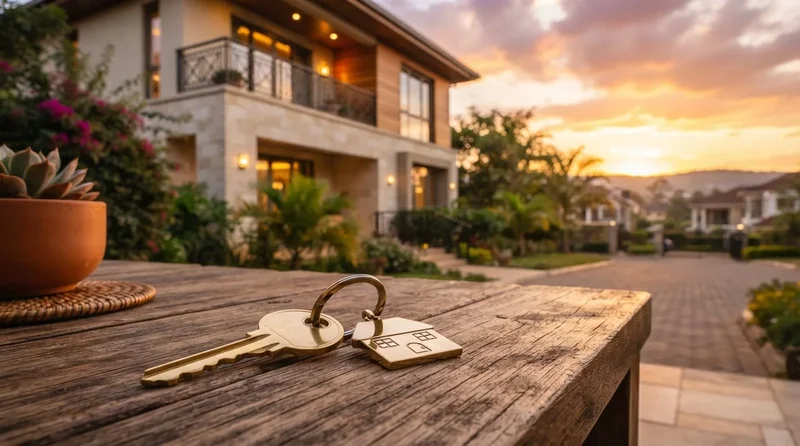
A house can have a beautiful kitchen, spacious bedrooms and great finishes, but the experience of living there doesn't stop at the front door.
Where the house is located and what the surrounding environment looks like can have just as much influence on everyday life.
Think about two homes with similar prices and sizes.
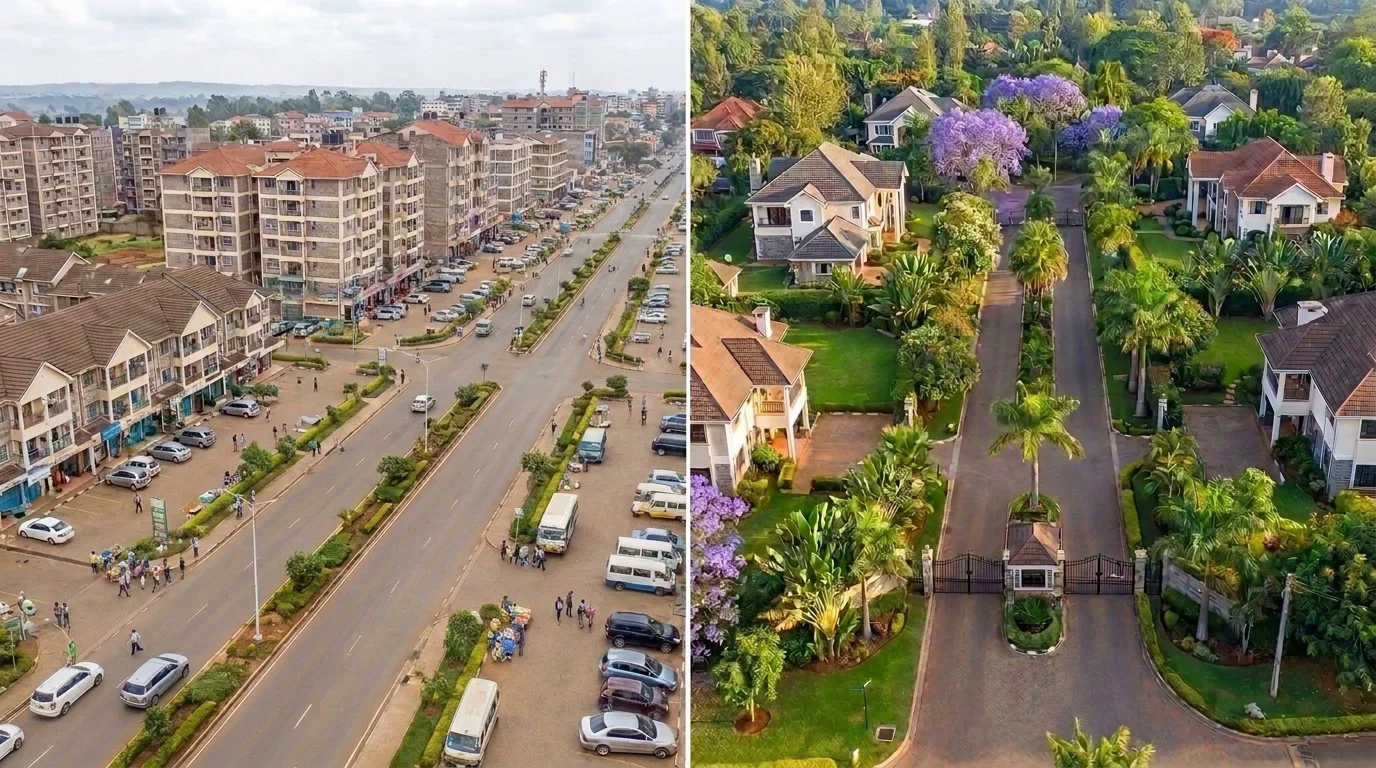
One is in a busy, highly built-up neighbourhood, with little greenery and limited outdoor space.
The other is in a gated community with mature trees, landscaped gardens, walking paths and plenty of breathing room.
For some buyers, the second option is worth paying a little more for.
Not necessarily because the house itself is better, but because the lifestyle that comes with it is better suited to what they want.
Green space is becoming part of the appeal
Greenery used to feel like a nice extra in a residential development. Today, it can be one of the reasons someone chooses one development over another.
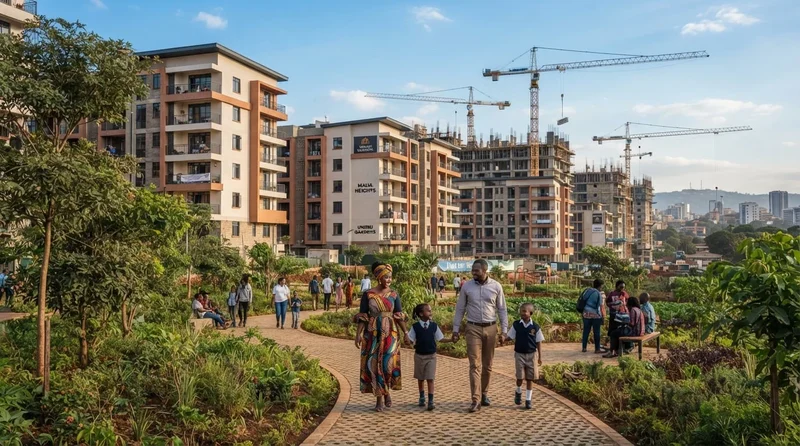
This is especially true as Nairobi and its surrounding areas continue to grow.
As more land is developed and neighbourhoods become denser, open spaces become harder to find. Trees are replaced by buildings, large plots are subdivided and once-quiet neighbourhoods become busier.
That makes a home surrounded by greenery feel a little different.
A garden gives children somewhere to play. Trees provide shade. Walking paths make it easier to get outside. Open spaces can make an estate feel less crowded.
None of these things are particularly complicated. But together, they can make a big difference to how a place feels.
And increasingly, buyers seem to recognise that.
Why places like Limuru are attracting attention
The growing interest in Limuru is a good example.
According to recent market findings, Limuru is emerging as a residential hotspot, with areas such as Tilisi attracting buyers looking for well-planned communities outside the more congested parts of Nairobi.
The attraction isn't simply about finding a cheaper place to live. It is about finding a different balance.
You can still access Nairobi, but you get more space, a quieter setting and, in some developments, a stronger focus on landscaping and open areas.
For someone who spends their weekdays dealing with traffic, noise and the pace of the city, that difference can be meaningful.
The question is no longer just, “How far is this home from Nairobi?” It is also becoming, “What do I get when I come home?”
The meaning of "luxury" is changing
There was a time when luxury property was mostly about size and finishes.
A larger house, a bigger compound, expensive fittings and a prestigious address were obvious markers of a premium home.
Those things still matter. But for some buyers, luxury is becoming much simpler.
-
It is having a quiet morning without traffic noise.
-
It is having trees outside your window.
-
It is being able to walk around your estate in the evening.
-
It is having enough space between your home and the next one.
-
It is having somewhere for your children to play without having to get in the car.
In a busy city, peace can be a luxury too. And that may explain why buyers are increasingly willing to pay for it.
Developers are paying attention
As buyers place more value on greenery and outdoor space, developers are making landscaping, gardens, walking paths, playgrounds and recreational areas a bigger part of new communities.
But there’s an important distinction: a few planted trees don't automatically make a development green.
When comparing homes, look beyond the house. How much open space is actually available? Can residents use it? Who maintains it? And is that green space protected for the long term?
Because a brochure can promise a green lifestyle. The development itself should prove it.
The home of the future may feel a little less crowded
Kenya's cities will continue to grow, and demand for housing will continue to rise.
That means density is inevitable in many areas.
But density doesn't have to mean giving up greenery, privacy and outdoor space.
If buyers continue to show that they are willing to pay for these things, developers have a strong reason to build them into residential communities from the start.
Ultimately, the property market is responding to a simple idea: People don't just want somewhere to live. They want somewhere they can actually enjoy living.
And sometimes, that means being willing to pay a little more for a home where life feels a little quieter, a little greener and a lot more peaceful.