- You do not want to move into your dream home only to discover that getting to work is a daily struggle.
- Think about the places you visit regularly and how easily you can get to them from the property.
- Visit at different times of the day and pay attention to things such as street lighting, security arrangements, noise and the general condition of the surrounding area.
- Finding the right home is not just about the house itself. It is about finding a place where your everyday life works, too.
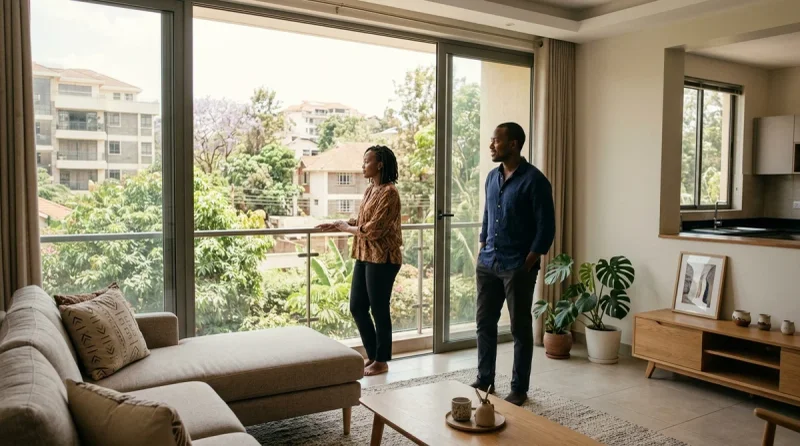
You have found a house you love. The kitchen is just right, there is enough space for everyone, and you can already picture yourself settling in. You might even be mentally arranging the furniture.
But wait. Have you checked out the neighbourhood?
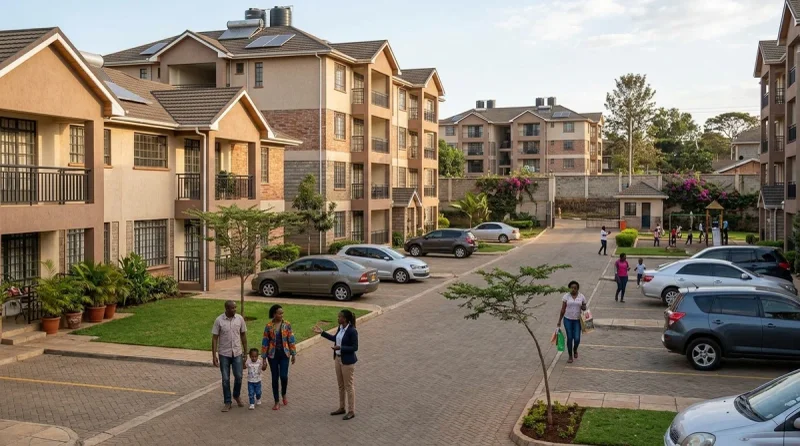
Because as much as the house matters, where it is located can make a big difference in your day-to-day life. You do not want to move into your dream home only to discover that getting to work is a daily struggle, water is unreliable or the nearest supermarket is much farther than you thought.
So, before you fall completely in love with that property, here are a few things worth checking about the area around it.
READ ALSO: A Step-by-Step Guide to Buying a House in Kenya
How long will it take you to get to work?
That house outside town might be more affordable, have a bigger garden and offer the extra space you have always wanted. But how much time will you spend getting to work every morning?
Distance can be deceiving, especially in busy towns and cities. A place that looks close on Google Maps may take much longer to reach during rush hour.
Think about your daily commute before making a decision. Check the available public transport, the condition of access roads and how easy it is to get to the main road. If you drive, factor in fuel and parking costs. If you use matatus, find out how much the trip costs and whether transport is readily available when you need it.
And please, do not only visit the property on a quiet Sunday afternoon. Try getting there on a weekday morning or evening. That is when you are more likely to see what your daily commute will actually look like.
Where will you do your shopping or get medical help?
You may not need a shopping mall around the corner, but you probably want a supermarket, pharmacy or health facility that you can get to without too much trouble.
If you have children, you might also want to consider nearby schools and how long the school run could take. For someone who works from home, reliable internet and a quiet environment might be higher on the list.
Think about the places you visit regularly and how easily you can get to them from the property.
You do not need to live next door to everything. You just need to know what is nearby, what is a bit of a drive away and whether that works for you.
Is the water reliable? What happens when it rains?
These may not be the first questions that come to mind when viewing a beautiful house, but they can make a huge difference once you move in.
Ask about the water supply. Do residents get water consistently, or do they rely on storage tanks and deliveries? What about electricity, waste collection and internet connectivity?
Then there is drainage.
An access road may look perfectly fine when the sun is out, but what happens when it rains heavily? Are there areas that flood? Does the road become difficult to use? Is the property itself affected?
These are things you want to find out before buying, not after your first rainy season.
Talk to people who already live in the area. They can often give you a more realistic picture of what to expect than a quick viewing will.
What is the neighbourhood like beyond the viewing?
A house can look peaceful during the day, but the experience might be different at night.
There could be a busy road nearby, a noisy entertainment spot or construction happening just next door. None of these automatically makes an area a bad place to live, but they are worth knowing about before you commit.
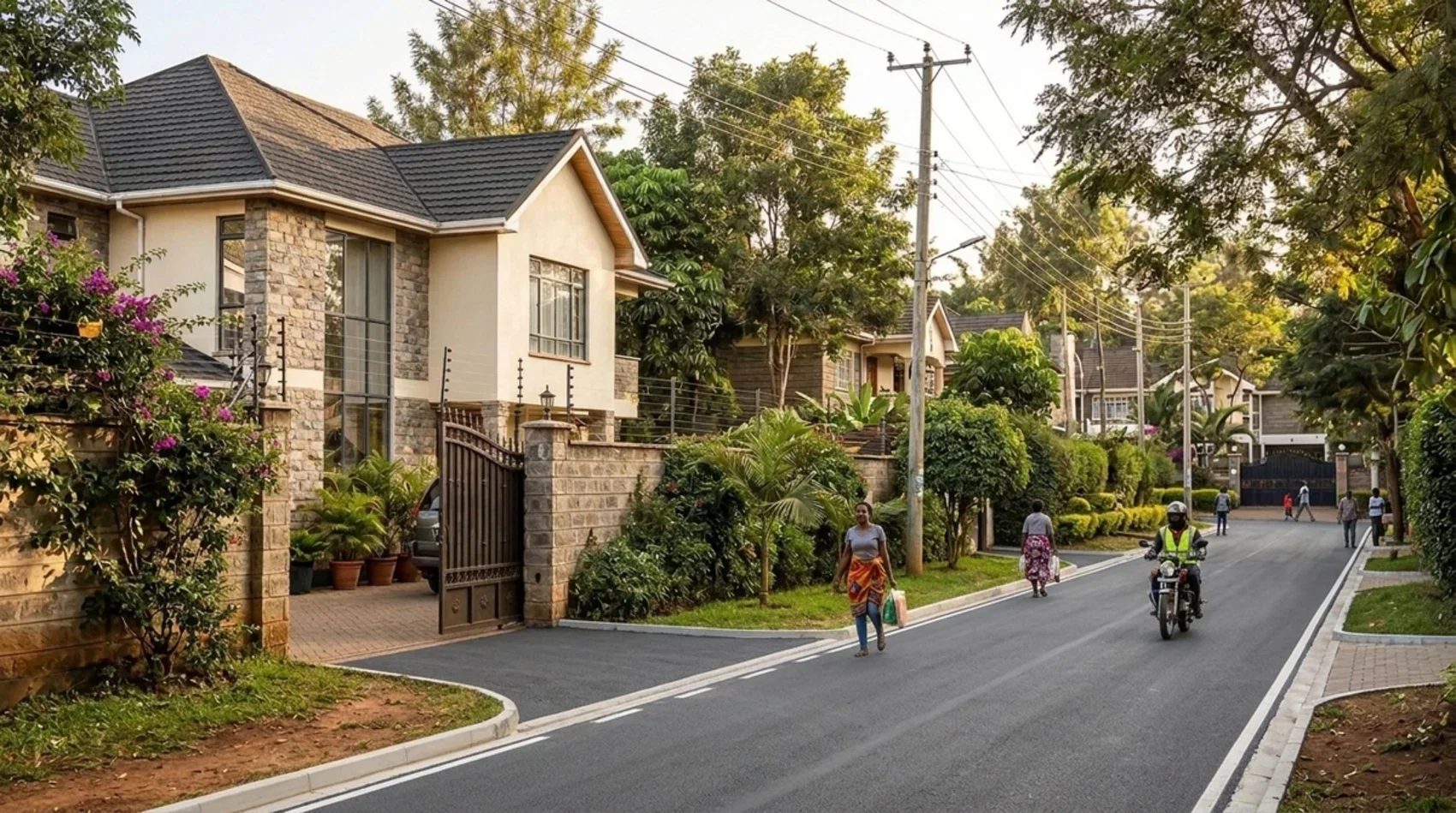
Visit at different times of the day and pay attention to things such as street lighting, security arrangements, noise and the general condition of the surrounding area.
It is also worth looking at what is being built nearby. That empty plot next to the house could remain undeveloped for years, or it could eventually become another apartment block or commercial building, depending on the applicable planning rules.
You cannot predict everything that will happen in a neighbourhood, but you can ask questions and check the available planning information before making your decision.
Could you sell or rent the property later?
Even if you are buying a home to live in, it is worth thinking about the future. Life changes. You might get a job in another town, need a bigger house or decide to invest elsewhere.
If that happens, will there be people interested in buying or renting your property?
Location can influence demand. Access to workplaces, transport, schools and other amenities may make a property more attractive to future buyers or tenants.
However, do not assume that every property in a popular neighbourhood will automatically increase in value or find a tenant quickly.
Take some time to compare similar properties in the area. Look at their asking prices, advertised rents and the types of homes people are looking for. If you are buying as an investment, remember to factor in maintenance, service charges and periods when the property might be vacant.
The goal is to understand the property's potential, not just buy because everyone says the area is a good investment.
Will living there fit your budget?
You have worked out how much you can spend on the house. Great! But have you worked out how much it will cost to live there?
Think about transport, utilities, service charges, security costs and other regular expenses. If the water supply is unreliable, for example, you may need to budget for additional water storage or deliveries.
Sometimes, a slightly more expensive house in a convenient location could save you money elsewhere. In another case, a more affordable property farther away might make sense if transport and other costs remain manageable.
There is no one-size-fits-all answer. What matters is looking at the full cost of living in that neighbourhood, not just the price of the house.
READ ALSO: How to Spot a High-Return Real Estate Investment in Kenya
Before you make that offer, do one more thing
Go back and look at the area with fresh eyes. Talk to residents, check the roads, find out about water and drainage, and see how long it takes to get to the places you visit regularly.
If you are buying, make sure you also verify the property's ownership documents and relevant approvals before committing your money.
You might not find a neighbourhood that ticks every single box, and that is okay. Perhaps the commute is a little longer, or the nearest shopping centre is a short drive away. What matters is knowing what you are getting into and deciding which compromises you can live with.
Because finding the right home is not just about the house itself. It is about finding a place where your everyday life works, too.