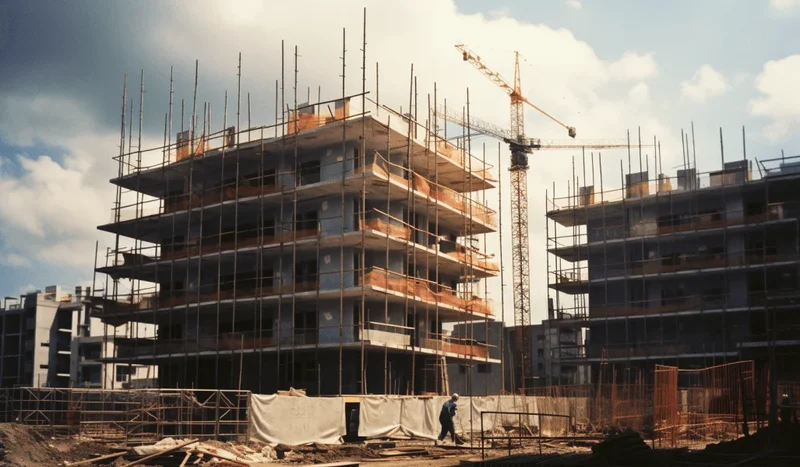
- The Parklands Residents Association says approvals issued from October 15, 2026, are null and void.
- The dispute goes back to October 14, 2025, when the Environment and Land Court in Nairobi delivered a judgment concerning development in Parklands.
- The notice covers various permissions, including building works, demolitions, changes of use, increased development density, subdivisions, plot amalgamations and lease renewals.
- For buyers and investors, predictable approval processes are important because property decisions often involve substantial financial commitments.
Development approvals in Nairobi’s Parklands area are facing fresh uncertainty following a court ruling that has put new building permissions and other property-related approvals in question.
The Parklands Residents Association says approvals issued from October 15, 2026, are null and void because Nairobi City County failed to meet court-ordered deadlines to establish a planning forum and prepare development plans for the area.
The development raises important questions for property owners, developers and anyone looking to buy property in Parklands. It also highlights why proper planning and approval processes matter in a growing property market.
READ ALSO: Navigating the Pressures of Owning a Home in Kenya
What did the court rule?
The dispute goes back to October 14, 2025, when the Environment and Land Court in Nairobi delivered a judgment concerning development in Parklands.
The court directed Nairobi City County to establish and operationalise a County Physical and Land Use Planning Consultative Forum within six months. It also ordered the county to prepare and publish countywide and local physical and land-use development plans, including one for Parklands, within 12 months.
The orders were intended to address concerns about development in the area and strengthen planning oversight.
The court also stated that failure to comply with these requirements would render approvals issued after the 12-month deadline null and void. According to the Parklands Residents Association, the deadlines passed without the county meeting the requirements. The association subsequently issued a notice declaring the affected approvals invalid from October 15, 2026.
The notice covers various permissions, including building works, demolitions, changes of use, increased development density, subdivisions, plot amalgamations and lease renewals. It also refers to certificates of occupation and other property-related permissions.
However, the county's compliance position and the precise legal implications for individual properties need to be established. The reported development should not be interpreted as meaning that every existing building or previously issued approval in Parklands is automatically invalid.
Why does this matter to property owners and developers?
Obtaining the necessary approvals is an important part of developing property. They help establish whether a proposed project meets applicable planning requirements and can proceed lawfully.
The uncertainty in Parklands could complicate decisions for developers planning new projects, property owners seeking to make changes to their buildings and investors considering developments in the area.
For example, a developer planning to construct apartments needs to understand the applicable land-use requirements and obtain the relevant permissions. If the validity of an approval is in question, the developer may need to seek clarification before committing further resources to the project.
The same applies to property owners planning demolitions, extensions or changes to how their land is used.
This does not mean that every project in Parklands has been stopped. The effect on a particular development will depend on its circumstances, the approvals involved and the applicable court orders.
What should property buyers consider?
For anyone planning to buy property in Parklands, this is a reminder to look beyond the asking price, location and appearance of a building.
Before committing to a purchase, it is worth carrying out proper due diligence.
Check the property's documentation. Confirm ownership details and have a qualified professional review the relevant title documents and other records.
Verify the development approvals. Ask for the relevant planning permission and approved building plans. Where necessary, seek confirmation from Nairobi City County and a qualified property lawyer about their validity and any restrictions affecting the property.
Understand the status of the development. If you are buying an apartment in a building that is under construction or recently completed, establish whether the required approvals and completion documentation are in place.
Seek professional advice where there is uncertainty. A property may appear ready for occupation, but its legal and planning position should still be verified before you make a financial commitment.
These checks are useful beyond Parklands. They form part of the due diligence buyers should undertake when purchasing property anywhere in Kenya.
What does this mean for Nairobi's property market?
Parklands is part of Nairobi's changing urban landscape, where demand for housing and the growth of apartment developments have made planning an important issue.
As neighbourhoods become denser, development needs to account for more than the number of homes that can fit on a plot. Roads, drainage, waste management, parking and other essential services also matter.
When planning requirements are unclear or not consistently enforced, developers and property owners can face uncertainty. Residents may also raise concerns about how new developments affect their neighbourhoods.
The current dispute puts the spotlight on the role of county planning authorities in providing clear rules and ensuring that development follows the applicable legal framework.
For buyers and investors, predictable approval processes are important because property decisions often involve substantial financial commitments.
READ ALSO: That Property Looks Perfect—But Is It Buyable?
Conclusion
The Parklands case is a reminder that property development depends on more than finding land and securing financing. It also requires proper planning, valid approvals and compliance with the law.
For now, anyone planning to develop or purchase property in the affected area should verify the current position rather than rely on assumptions about which approvals remain valid.
As Nairobi continues to grow, clear planning rules and consistent enforcement will be important in supporting responsible development while giving property owners, developers and residents greater certainty.