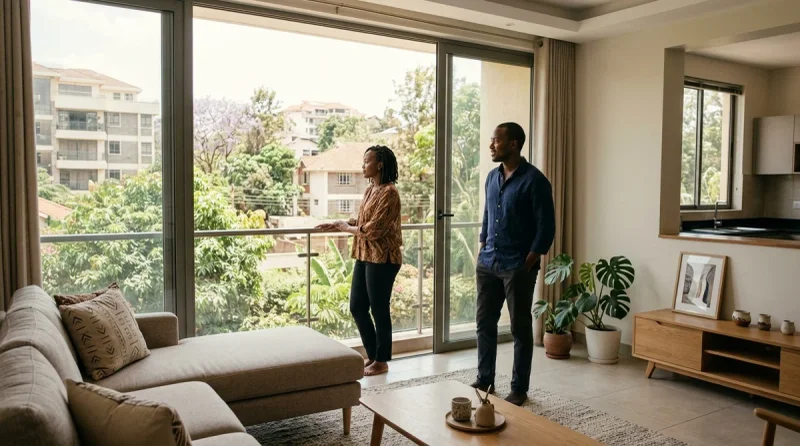
- When a purchase feels like a dream, it’s easy to get carried away.
- In real estate, appearances can be misleading. A property may look perfect on paper and still fail the most important tests.
- Taking the time to conduct due diligence is not about being overly cautious; it is about protecting your investment and your peace of mind
After years, perhaps months, of planning and saving, you finally find yourself in a position to fulfil your dream of becoming a property owner. You have the means, you’ve found the perfect location, the photos look stunning online, and to top it all off, it’s within your budget. Everything seems legitimate and ideal, and the only thing standing between you and that dream property is signing the paperwork.
But have you stopped to ask yourself whether that property is truly buyable? Have you taken the time to conduct proper due diligence before committing and getting burnt? When a purchase feels like a dream, it’s easy to get carried away. That’s why it’s crucial to remember that it’s always better to be safe than sorry. Before committing, pause. Ask yourself if the property is buyable and conduct due diligence like your investment depends on it.
So, how can you tell if a property is buyable? And what measures should you take as a prospective property owner?
Table of Contents
What “Buyable” Actually Means
You’re probably wondering what “buyable” really means. Let’s debunk it.
Simply put, a buyable property is one that is dispute-free, with ownership that can be transferred cleanly, and one that complies with zoning laws. In other words, the land must be privately owned, not reserved for community infrastructure, roads, national parks, or forest reserves, and not on riparian land.
As straightforward as this sounds, many innocent Kenyans have unfortunately fallen victim to un-buyable land. That’s why it’s crucial to be vigilant before making a downpayment. Don’t be swayed by affordability, always do your due diligence, verify the title, and ensure the land is legally transferable.
How to Check Buyability
In real estate, appearances can be misleading. A property may look perfect on paper and still fail the most important tests. That’s why every purchase should be approached with deliberate caution and proper due diligence.
To determine whether a property is truly buyable, there are a few key checks every prospective buyer should carry out before committing.
Start with the title.
Always verify that the title deed is genuine, clear, and transferable. The title should reflect the correct owner and match the details of the property being sold. Be cautious of titles with inconsistencies, multiple names without clear consent, or vague descriptions of boundaries. A clean title is the foundation of ownership; without it, the transaction is already on shaky ground.
Confirm zoning and land use.
Not all land is meant for private ownership or development. Check whether the property falls within approved zoning regulations and ensure it is not earmarked for public use such as roads, hospitals, schools, riparian reserves, forests, or other protected areas. Buying land that violates zoning laws can lead to demolitions, fines, or outright loss, regardless of how convincing the sale appeared.
Conduct an official land search.
An official search at the Land Registry helps confirm ownership, reveals any encumbrances, and shows whether the land is charged, disputed, or restricted in any way. This step is non-negotiable. A search provides clarity and protects you from unpleasant surprises after money has already changed hands.
Investigate beyond the paperwork.
Visit the land physically. Speak to neighbours, local administrators, or community leaders where applicable. On-the-ground realities often reveal information documents may not, such as boundary disputes, access issues, or long-standing conflicts tied to the property.
Engage the right professionals.
Where necessary, involve a qualified advocate, surveyor, or land expert. Due diligence is not about mistrust; it’s about responsibility. A second set of trained eyes can identify red flags that a buyer may easily overlook.
When these steps are followed carefully, buyability becomes less about hope and more about certainty. The goal is not just to buy property, but to buy it with confidence, clarity, and peace of mind.
Conclusion
A property may look perfect and tick all the right boxes at first glance, but buyability is determined long before any paperwork is signed. It lies in the details; clear ownership, proper zoning, verified records, and a thorough understanding of what you are committing to.
Taking the time to conduct due diligence is not about being overly cautious; it is about protecting your investment and your peace of mind. When emotions are high, discipline matters most. A truly buyable property is one you can acquire with clarity, confidence, and certainty, today and well into the future.
Pause before you commit. Verify everything. Then proceed, knowing you have made an informed decision.