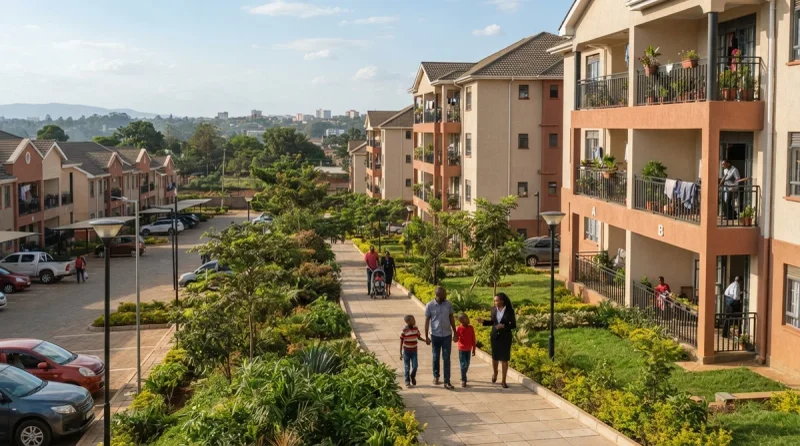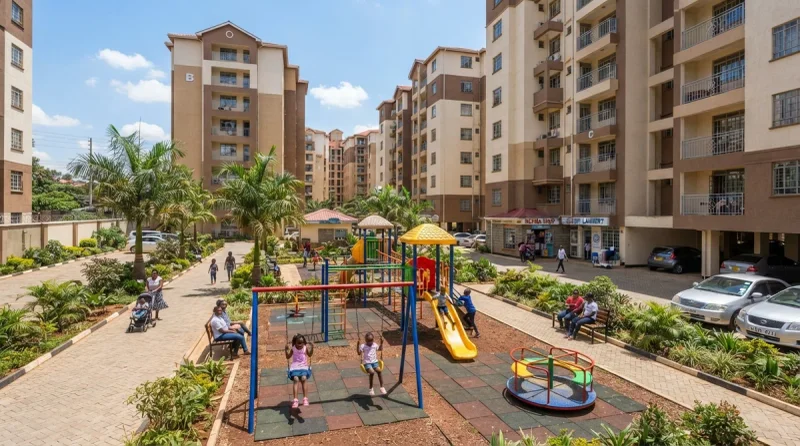
- The government’s new KSh340 billion National Infrastructure Fund has added another development to watch.
- Businesses move into the area, creating jobs and attracting people looking for places to live.
- For investors, the opportunity may lie in homes that meet the needs of people who work in Nairobi but cannot comfortably afford to live closer to the city centre.
- If you are looking for a home, focus on a location that works for your budget, commute and ever
Have you ever wondered why a piece of land that was once considered too far from town suddenly becomes more expensive a few years later?
Sometimes, it has to do with what is happening around it. A new road makes the commute easier. A reliable water supply makes it easier to build a home. Businesses move into the area, creating jobs and attracting people looking for places to live.
This is one reason why infrastructure matters when you are thinking about buying property in Kenya.
Now, the government’s new KSh340 billion National Infrastructure Fund has added another development to watch. The fund has started purchasing government bonds as part of its financing strategy, with plans to support projects across sectors such as transport, energy and water.
But what does this mean for someone looking to buy land, find a home or invest in rental property? And are there particular areas worth paying attention to?
How infrastructure can change where people want to live
Think about someone working in Nairobi who wants to buy land and eventually build a home.
Land within the city may be beyond their budget, so they start looking further out. But a cheaper plot is not necessarily a better deal if getting to work takes hours, water is unreliable and the nearest shopping centre is several kilometres away.
Now imagine that the area gets better roads, improved public transport and more reliable utilities.
Suddenly, living there becomes more practical. Other people may start looking for homes in the same location. Developers may see an opportunity to build apartments or gated communities, while businesses open shops and other services to meet the growing demand.
As more people become interested in the area, property prices and rents may rise.
Of course, this does not happen overnight, and it is not guaranteed. A new road alone cannot make an area attractive if there are few jobs, limited services or more houses than people looking to rent them.
Still, infrastructure can play an important role in determining where people choose to live and where businesses choose to invest.
Which property markets should you watch?
The fund is expected to support infrastructure rather than buy homes or land directly. Any effect on property prices will depend on which projects receive funding, where they are built and how they affect local demand.
Here are a few markets worth watching.
1. Areas outside Nairobi where commuting could become easier
For many Nairobi residents, the search for an affordable home often means looking beyond the city.
Areas along major transport routes towards Kiambu, Machakos and Kajiado attract people looking for more space or lower purchase prices. However, the daily commute, road conditions and access to public transport can make a big difference to whether a location works in practice.
If a funded transport project makes travelling between an outer residential area and major employment centres easier, that location could become more attractive to homebuyers and tenants.
For investors, the opportunity may lie in homes that meet the needs of people who work in Nairobi but cannot comfortably afford to live closer to the city centre.
The key is to look at the specific neighbourhood and its transport connections rather than assume an entire county will benefit equally.
2. Naivasha and the areas around growing business centres
Naivasha is worth watching because of its connections to transport, agriculture, logistics and industrial activity.
Why does that matter to property?
When businesses expand, they need workers. Those workers need somewhere to live. Businesses may also require warehouses, offices, shops and other commercial spaces.
This creates opportunities beyond the businesses themselves. A growing employment centre can support demand for rental homes, bedsitters, apartments and family housing, depending on the people moving into the area.
For someone considering an investment property, the question is whether there are enough people who need accommodation and can afford the rent.
Buying land because a major project has been announced is one thing. Buying in an area where businesses are operating, jobs are being created and people are already looking for homes is a different proposition.
3. Areas where water and electricity are improving
Roads often dominate conversations about property investment, but water and electricity can be just as important.
Imagine buying a plot at an attractive price only to discover that connecting water is expensive, electricity is not readily available and building will cost more than you expected.
These costs can quickly reduce the appeal of what initially looked like a bargain.
Areas that gain reliable water and electricity through completed or properly funded projects may become more suitable for residential and commercial development. This could benefit buyers planning to build, landlords looking to attract tenants and businesses that depend on reliable utilities.
Before buying, find out what services are already available, what it will cost to connect them and whether any promised improvements have actually been approved and funded.
4. Lamu and locations linked to major industrial projects
Lamu is another market to keep an eye on because of its port and potential for further logistics and industrial development.
If major projects move forward, they could create demand for housing, commercial premises, warehouses and services for workers and businesses.
But there is a difference between a proposed project and one that has secured financing, approvals and a clear construction timeline.
That distinction matters because land prices can rise on expectations alone. You could pay a premium today and then wait years for the development that was supposed to make the investment worthwhile.
If you are considering buying in an area linked to a major project, look at the existing economy, current demand and other reasons someone would want to live or work there, even if the project takes longer than expected.
Before you buy land because of a new road
You have probably seen advertisements describing plots as being near a proposed highway, bypass or future industrial park.
Sometimes, these locations do offer genuine opportunities. The problem is knowing whether the promise behind the sales pitch is realistic.
Before committing your money, take a few steps.
-
Find out how far the project has progressed. Has it been approved and funded? Is a contractor in place, or is it still an announcement?
-
Check the exact location. Confirm the proposed route and whether the property will have practical access to it.
-
Visit the area. Look at the roads, existing homes, water supply, electricity, shops and public transport.
-
Understand who would buy or rent there. A location may be suitable for affordable rentals but not for expensive apartments. Match the property to the people likely to need it.
-
Do the maths. Factor in the purchase price, legal fees, development costs and how long you can afford to wait for a return.
Most importantly, do not buy land simply because someone tells you its value will double when a road is built. No one can guarantee that.
So, should you be looking for property near infrastructure projects?
Kenya’s KSh340 billion National Infrastructure Fund is worth watching because infrastructure investment can influence where businesses grow, where people settle and which locations become more practical for property development.
But the launch of the fund does not mean that every area mentioned in connection with a proposed project is about to experience a property boom. The actual impact will depend on which projects receive financing and whether they are completed.
If you are looking for a home, focus on a location that works for your budget, commute and everyday needs.
If you are investing, look beyond the promise of future roads. Pay attention to employment, rental demand, access to services and the cost of developing the property.
Sometimes, the best opportunity is not the area everyone is talking about. It is the location where people already have a reason to live, work and do business, and where credible infrastructure improvements could make it even more attractive.