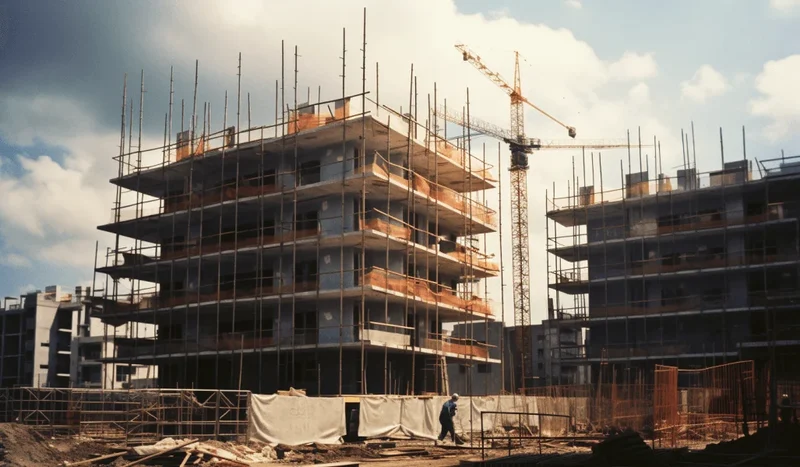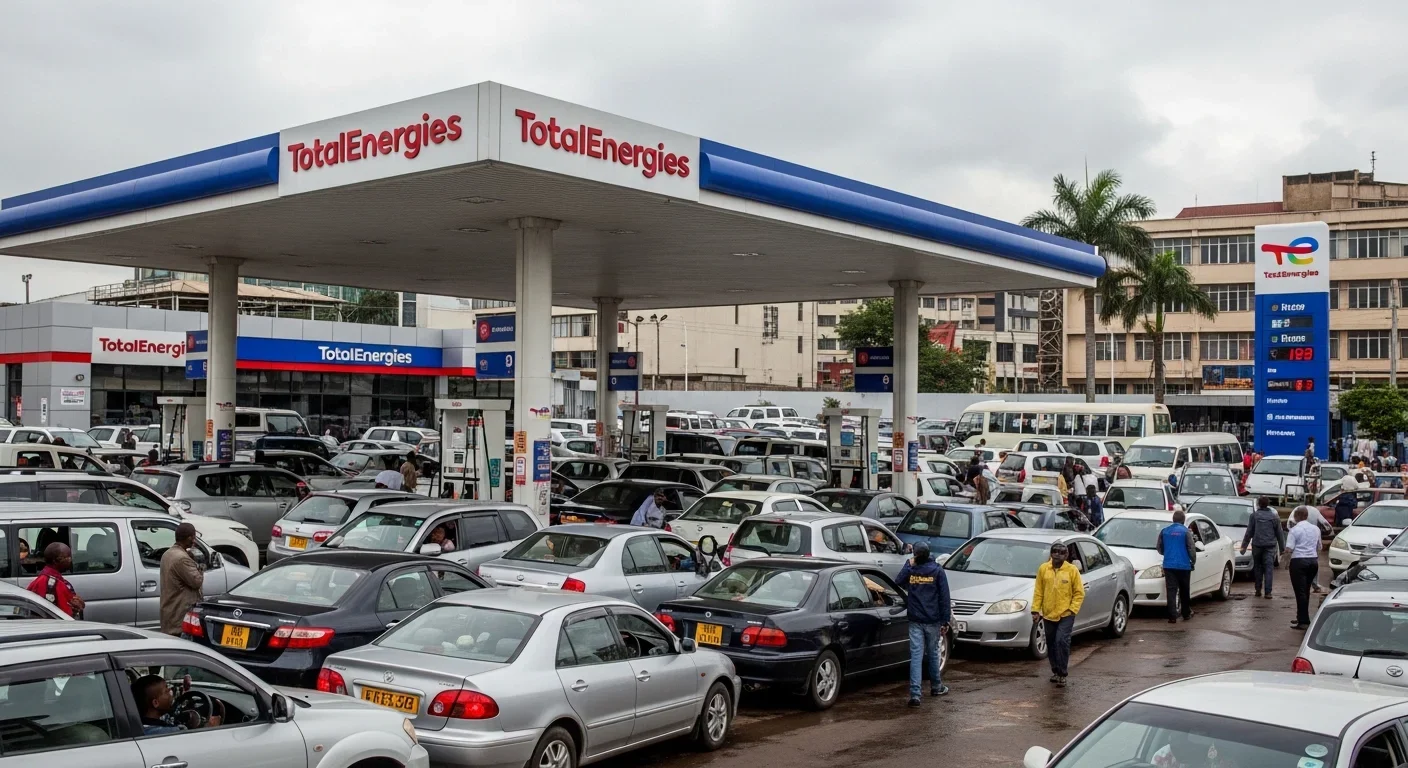
- Fuel prices do have a ripple effect on the property market, sometimes in ways that aren’t immediately obvious.
- When fuel prices rise, transportation costs go up. And when transport becomes more expensive, so does construction.
- Fuel is a key driver of inflation. When fuel prices rise, the cost of living generally follows.
When most people hear about fuel prices, their minds immediately go to cars or cooking. Rarely do they think about real estate. In fact, drawing a connection between these two industries doesn’t feel natural at first.
However, the reality is that fuel prices do have a ripple effect on the property market, sometimes in ways that aren’t immediately obvious. So how exactly does this happen? Let’s get into it.
READ ALSO: The Iran Conflict and Its Potential Impact on Kenya’s Real Estate Market
Table of Contents
The Cost of Building Doesn’t Stay the Same
Constructing a house involves a number of costs. A brick here, cement there, labour, and it all adds up. On top of all this, one thing is certain: construction, and everything around it, is heavily dependent on transport.
From cement and steel to labour and machinery, almost everything needs to be moved from one point to another. When fuel prices rise, transportation costs go up. And when transport becomes more expensive, so does construction.
Developers rarely absorb these costs. Instead, they pass them on, ultimately pushing property prices higher.
Location Suddenly Matters Even More
Imagine two individuals building homes, one has a construction site 15 kilometers further out than the other. The one covering a longer distance will obviously incur higher transport costs.
Now extend this idea beyond construction and into everyday living. Fuel prices have a direct impact on how people choose where to live. When commuting becomes expensive, areas that were once considered “affordable but far” start to lose their appeal.
On the flip side, properties closer to business hubs or with easier access to transport become more attractive, even if they come at a premium. In this way, fuel prices quietly reshape demand, influencing which areas grow and which ones slow down.
Rental Prices Feel the Pressure Too
It’s not just buyers who feel the impact, renters do as well.
Landlords and property managers also deal with rising operational costs, from maintenance to service delivery. These costs are often influenced by fuel prices, especially in areas where services rely on transportation.
Over time, these increases can trickle down to tenants in the form of higher rent.
The Bigger Picture: Inflation and Buying Power
Fuel is a key driver of inflation. When fuel prices rise, the cost of living generally follows.
For potential homebuyers, this reduces disposable income and affects affordability. Suddenly, what seemed like a manageable mortgage becomes a stretch.
This can slow down demand in the property market, particularly in certain price segments.
So, What Does This Mean for the Market?
Fuel prices may not be the first thing people associate with real estate, but their impact is undeniable. From construction costs to location preferences and even rental pricing, the effects are far-reaching.
It’s a reminder that the property market doesn’t operate in isolation, it responds to broader economic forces, sometimes in very subtle ways.
READ ALSO: Wage Pressures Add Heat to Construction Costs as Steel, Sand Prices Surge
Conclusion
The next time fuel prices go up, it’s worth looking beyond the petrol station. Because more often than not, the impact travels much further, right into the heart of the real estate market.