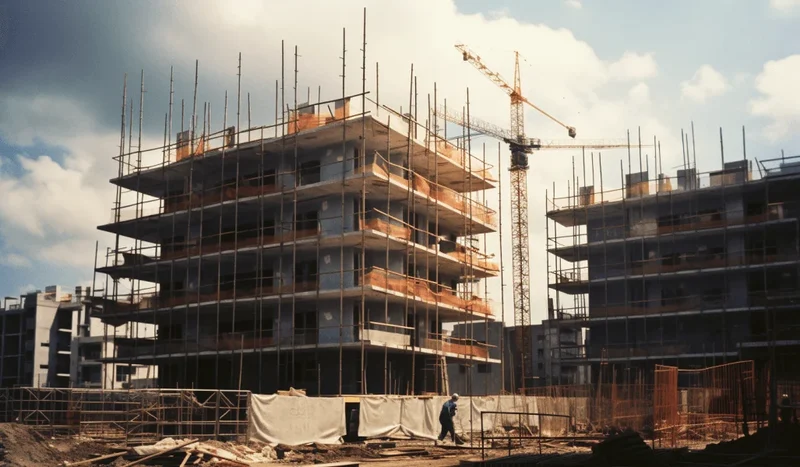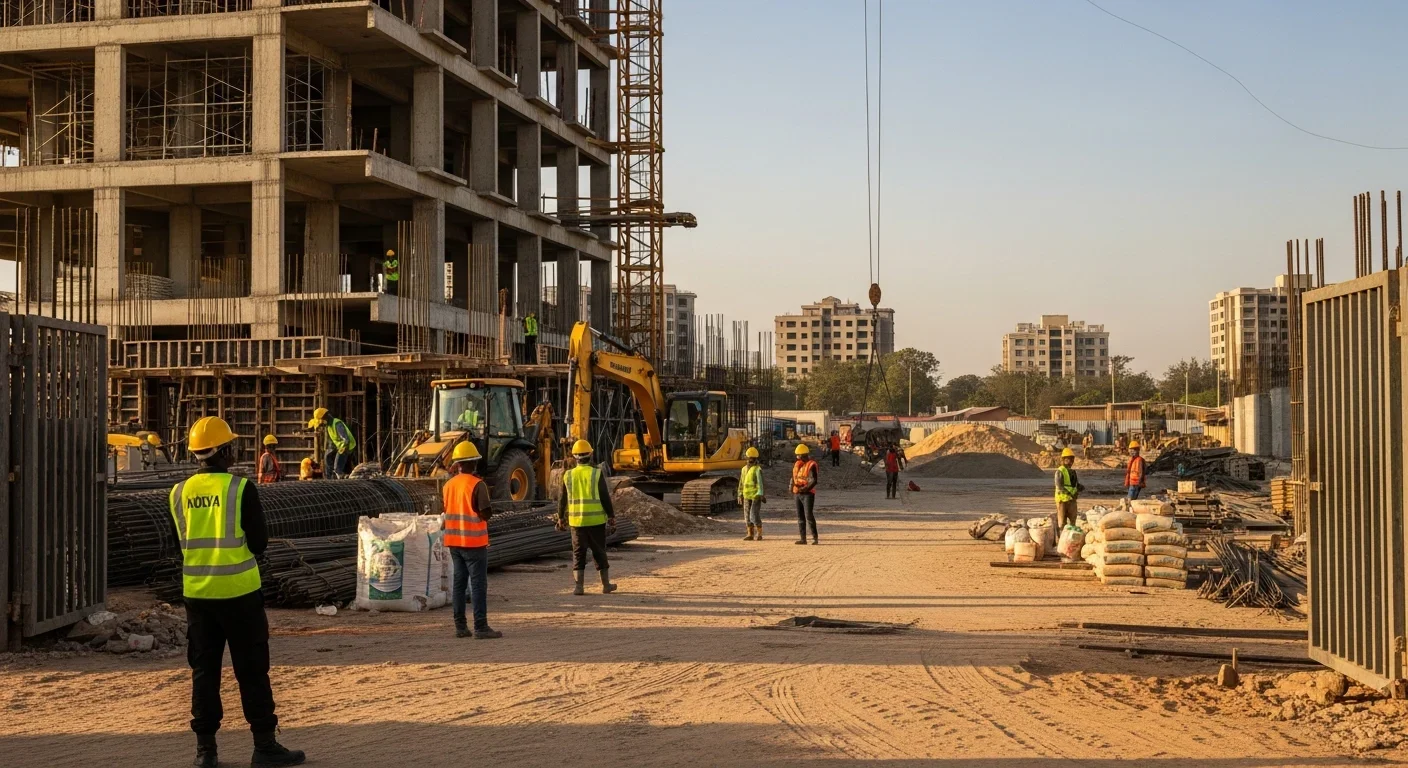
Construction workers are earning slightly more, but their gains are being outpaced by the rising cost of materials and fuel, new data by the Kenya National Bureau of Statistics (KNBS) shows.
The Construction Input Price Index (CIPI), which tracks changes in the cost of materials, labour, equipment and transport , rose to 121.27 points in the third quarter of 2025, up from 119.75 in the previous quarter. This represents a 1.27 per cent quarterly increase and a 0.74 per cent rise year-on-year.
The labour index increased to 112.45 from 111.94, reflecting higher pay for casual labourers (+1.07%) and watchmen (+3.90%). Wages for plumbers and electricians (-1.49%) and machine operators (-0.68%), however, edged lower. “The quarterly rise reflects continued volatility in input prices, particularly for petroleum-linked and imported materials,” KNBS Director-General Macdonald Obudho said when releasing the report.
READ ALSO: How to Build Cost-Effectively Without Compromising on Quality
Table of Contents
Steel and fuel costs bite
While wages rose modestly, the biggest push on construction costs came from pricier building materials and energy.
The indices for steel and reinforced bars jumped 5.20 per cent, sand climbed 3.63 per cent, and dense bitumen macadam rose 4.73 per cent. Fuel and lubricants were up 3.53 per cent, feeding into higher transport costs across project sites.
Other materials showing upward movement included paints (1.47%), electrical fittings (5.09%), and sanitary fittings (0.98%).
On the other hand, cement (-1.39%) and timber (-2.71%) recorded declines, offering minor relief to builders and developers.
Buildings and civil works
The Building Cost Index rose from 119.52 to 121.29, driven largely by higher prices of steel, sand, ballast, and roofing materials. The transport and fuel indices rose 3.73 per cent, while the building labour index went up 0.59 per cent, reflecting the overall wage adjustments.
The Civil Engineering Cost Index climbed 1.05 per cent to 121.79, supported by increases in bitumen (3.05%), tack coat (4.06%), and fuel and lubricants (4.63%). Equipment indices rose marginally by 0.41 per cent, while labour costs remained broadly stable.
READ ALSO: Building in Kenya: 7 Mistakes That Could Cost You Millions