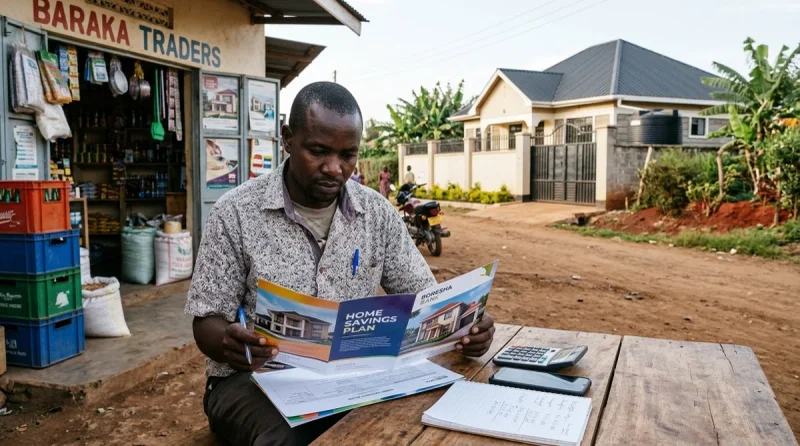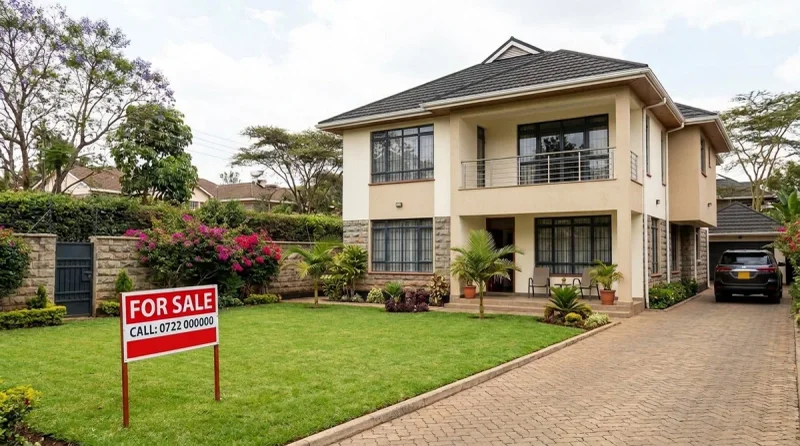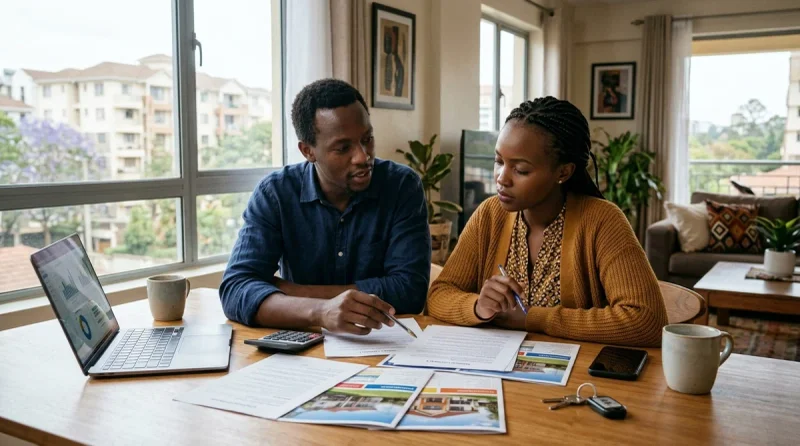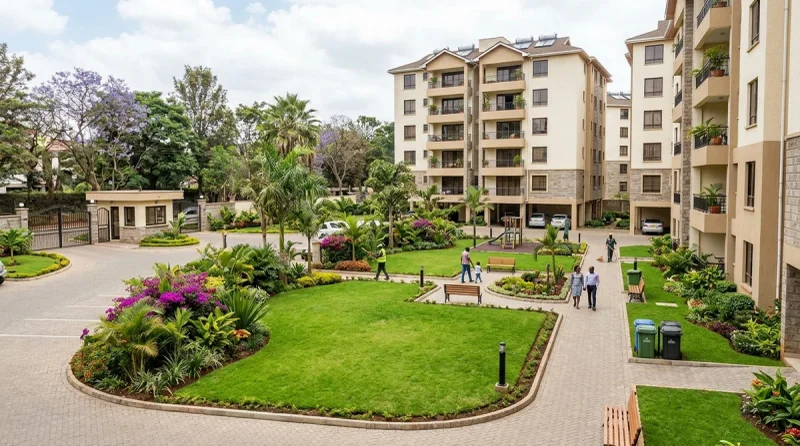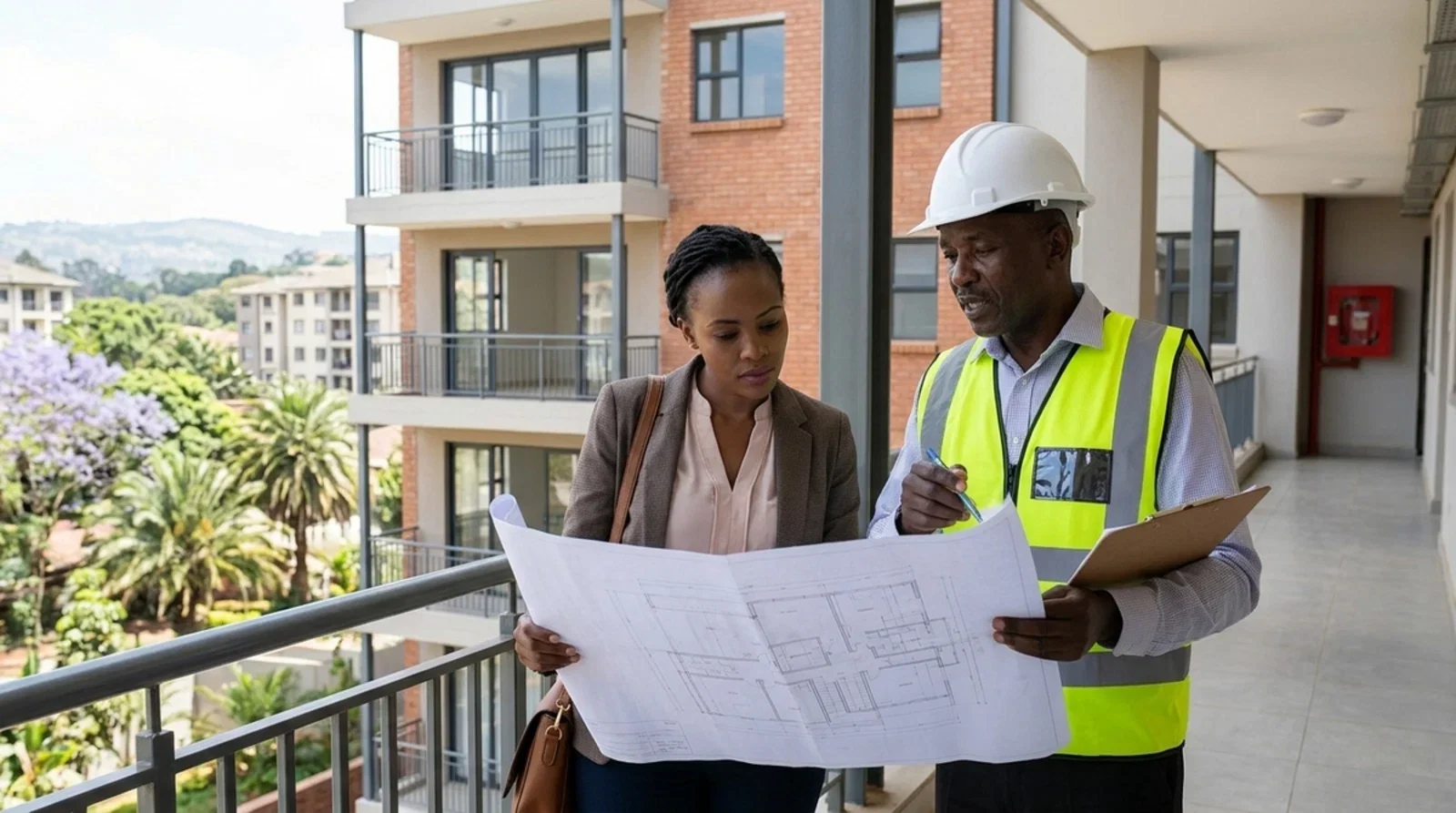
When looking for a house to rent, what do you usually check first? The rent, location, number of bedrooms, water supply, security or perhaps whether the apartment has parking?
These are the things most people consider when deciding whether a property is worth viewing. But how often do you stop to think about the safety of the building itself?
It is an important question, particularly following recent building collapses in Kenya. A news article by The Standard on November 19, 2026, noted that at least 25 structures had collapsed across the country in the preceding 11 months, resulting in 38 deaths. Many of the reported fatalities occurred at construction and demolition sites, highlighting concerns about construction standards and professional supervision.
So, if you are looking for a bedsitter, renting a family apartment or planning to buy a home, how can you tell whether the building is safe?
You may not have the technical knowledge to assess a building's structural condition, but there are practical steps you can take to identify possible warning signs, ask the right questions and know when to seek professional advice.
READ ALSO: House Hunting Challenges in Nairobi: Red Flags and Realities
What Should You Check When Viewing an Apartment?
When you find a house you like, it is easy to focus on the apartment itself. You want to see whether the rooms are spacious, the kitchen is functional and the finishes are in good condition.
But don't stop there. Take a few minutes to look at the rest of the building.
Pay attention to the staircases, corridors, ceilings, parking areas and exterior walls. Look out for:
-
Large or widening cracks on walls, columns or beams.
-
Exposed steel bars or concrete that appears to be breaking away.
-
Floors or sections of the building that appear to be sagging.
-
Persistent water leaks and signs of serious water damage.
-
Walls or other structural sections that appear to be leaning.
Not every crack or damp patch indicates a serious structural problem. However, if something looks unusual, ask the property manager or agent about it rather than assuming it is harmless.
These observations cannot confirm whether a building is structurally safe, but they can help you identify issues that need further investigation.
What Questions Should You Ask the Agent or Caretaker?
You don't have to be a construction expert to ask questions about the building you intend to occupy.
During your viewing, speak to the agent, landlord or caretaker. Find out how long the building has been occupied, whether it has undergone major repairs and whether there have been any known structural or safety concerns.
If construction or renovations are ongoing, ask what work is being done and how residents are protected.
You can also speak to people who already live in the building. They may be able to share useful information about recurring problems such as water leakage, damaged ceilings or maintenance issues.
Of course, the answers you receive are not proof of structural safety. But they can help you identify concerns that deserve further attention.
Should You Ask Whether the Building Has Been Approved?
This may not be the first question that comes to mind when searching for a rental, but it is worth asking.
You can simply ask the landlord or agent whether the building received the necessary approvals and has been cleared for occupation.
In Kenya, county governments handle building plan approvals and development permits. The National Construction Authority (NCA) is responsible for registering construction projects and overseeing compliance with construction requirements.
If you are buying, take this a step further. Ask the seller or developer for relevant documents, including approved building plans, construction permits and the occupation certificate. Where possible, verify these with the relevant authorities.
If you are renting, you can ask the landlord or property manager whether the building has an occupation certificate. You may not need to examine every technical document yourself, but you should feel comfortable asking about the building's approval and occupation status.
Remember that approval documents do not automatically guarantee that a building remains safe. Its current condition also matters.
READ ALSO: Building Without Boundaries: How Unregulated Building Practices are Affecting Us
What Should You Do If You Notice Signs of a Potentially Unsafe Building?
Suppose you notice a large crack, falling concrete or an area that appears to be deteriorating during your viewing. What next?
First, raise the concern with the agent, landlord or property manager and ask whether it has been assessed or repaired.
If the explanation is unclear, avoid rushing into a decision. You can arrange for a qualified structural engineer to assess the concern, particularly if you are considering buying the property.
If you are renting and believe there is an immediate safety risk, do not ignore it or attempt to investigate it yourself. Report it to the property manager and the relevant authorities. The NCA also provides channels for reporting faulty or non-compliant construction projects.
For developments that are still under construction, you can provide the NCA with the building's location, photographs and details of the concern.
Do You Need a Professional Inspection Before Buying a Property?
If you are purchasing a property, especially an older apartment or one that has undergone major renovations, consider getting an independent professional inspection.
A qualified structural engineer or building surveyor can assess the property's condition and identify potential problems that may not be obvious during an ordinary viewing.
An assessment may cover structural elements, water damage, alterations and other defects that could affect the building's safety.
Although this comes at an additional cost, it can help you make a more informed decision before committing a significant amount of money.
For renters, a professional inspection may not always be practical or affordable. However, you can still ask questions, observe the building's condition and raise concerns before signing a tenancy agreement or paying a deposit.
A Good Home Should Also Be a Safe One
Finding a home that fits your budget, lifestyle and preferred location is already a big decision. But building safety should also be part of the process.
You may not have the technical knowledge to assess a building's structural condition, and you should not have to rely on appearances alone. However, asking questions, observing the building and seeking professional advice when necessary can help you make a more informed choice.
Whether you are renting a bedsitter, moving into a family apartment or buying your first home, remember that a good property should offer more than attractive finishes and convenient amenities.
It should also be a safe place to live.
READ ALSO: When the Center Can’t Hold: Unsafe Buildings Crisis in Kenya