Kenya’s Construction Sector Surges 5.7% in Q2 2025, Driven by Strong Demand and Credit Growth
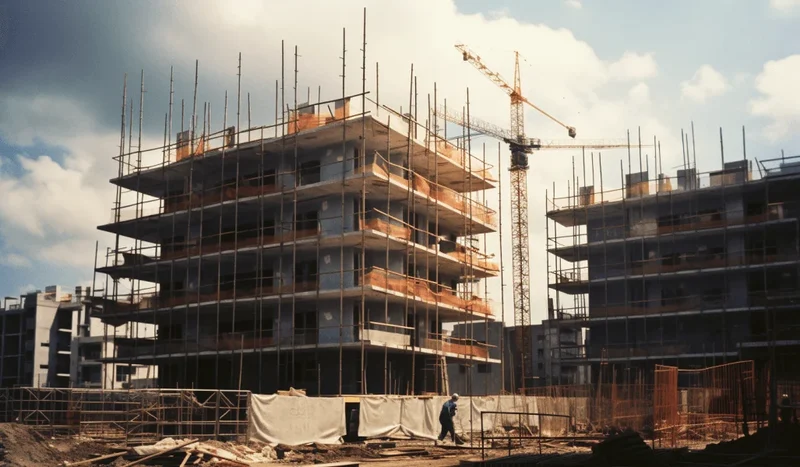
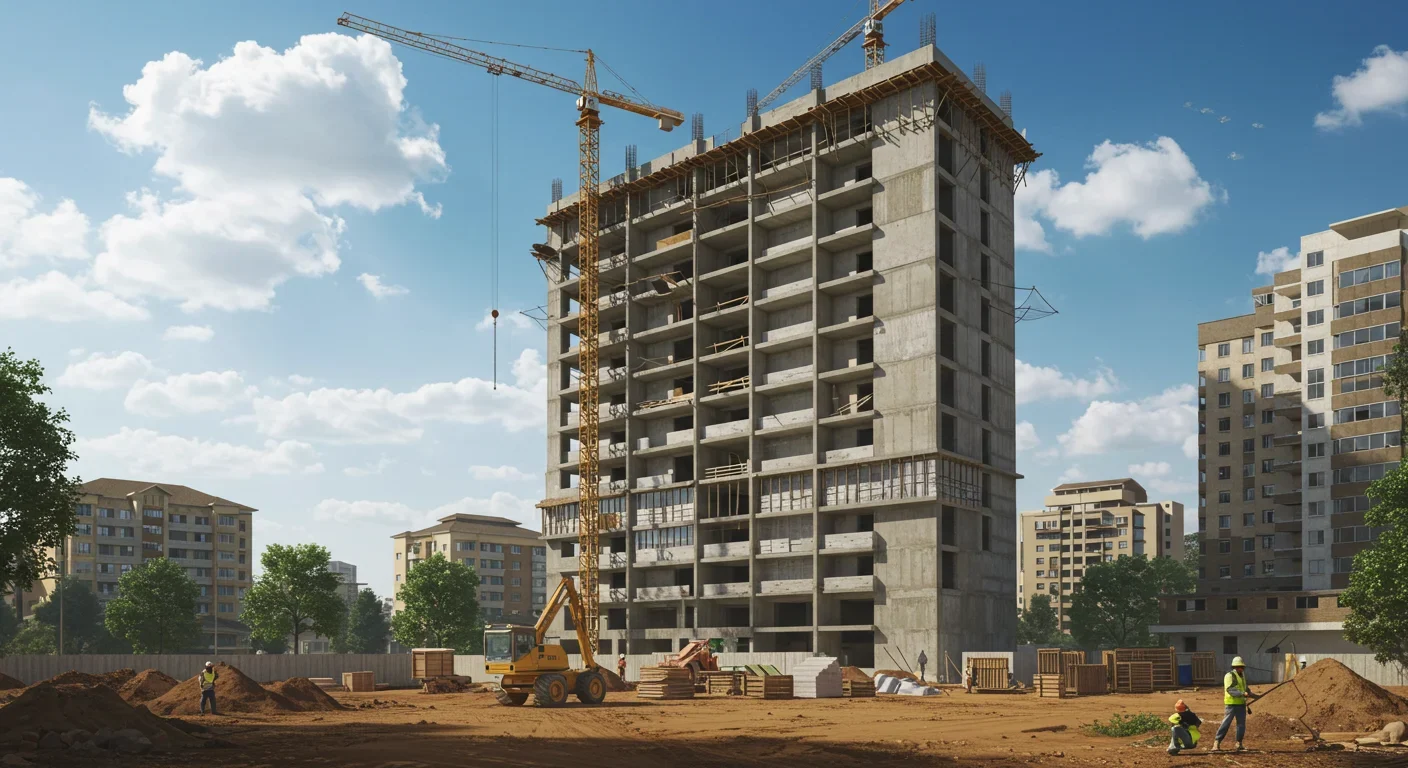
Construction sector activities in Kenya displayed significant growth in the second quarter of 2025, expanding by 5.7 percent compared to a 3.7 percent contraction in the same period the previous year, according to the latest data from the Kenya National Bureau of Statistics (KNBS).
This resurgence is clearly evidenced by increased consumption and importation of key construction materials. Cement consumption surged by 23.9 percent to 2,424.4 thousand metric tonnes from 1,957.1 thousand metric tonnes in the corresponding period of 2024.
Similarly, imports of bitumen rose to 22,659.3 metric tonnes from 15,566.2 metric tonnes, while iron and steel imports more than doubled to 526,606.4 metric tonnes compared to 222,112.3 metric tonnes in the second quarter of 2024. Supporting this growth, credit extended to the construction sector grew robustly by 21.7 percent, reaching KSh 159.6 billion by June 2025, up from KSh 131.1 billion the previous year.
This positive momentum in construction dovetails with broader property market trends reported by BuyRentKenya. Their inaugural Property Price Index reveals strong price growth in satellite towns fueled by affordability and expanding infrastructure. Areas including Kileleshwa, Hurlingham, Juja, Ruiru, Kikuyu, Ngong, and the Eastern Bypass corridor stand out as hotspots attracting investment by offering competitive pricing and improved accessibility.
Fast-growing regions such as Tigoni (80% growth in two years), Nakuru (20% growth in less than two years), and Runda (20% increase in 18 months) indicate vibrant development activity, creating demand for construction inputs and credit.
This synergy between construction sector growth and flourishing real estate markets underscores a robust development phase in Kenya’s property landscape. Rising construction input consumption and financing availability highlight confidence among stakeholders, while expanding infrastructure and strategic land price appreciation in emerging zones further stimulate construction activities.
For property buyers and investors, these developments promise enhanced opportunities across residential, commercial, and rental markets.
READ ALSO: The Current State of the Real Estate Market in Kenya