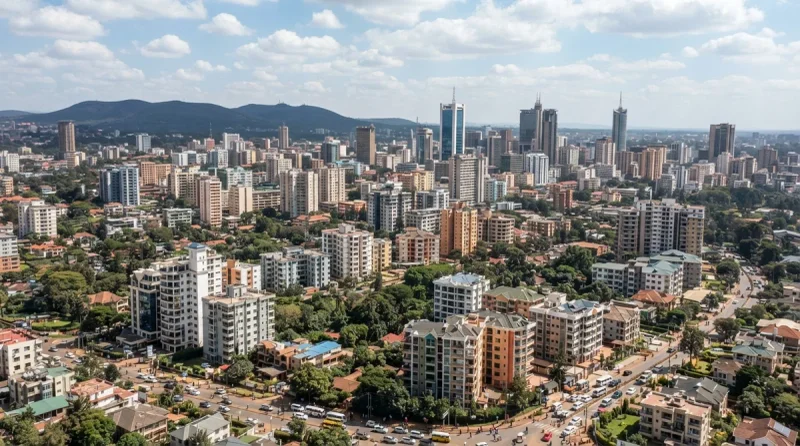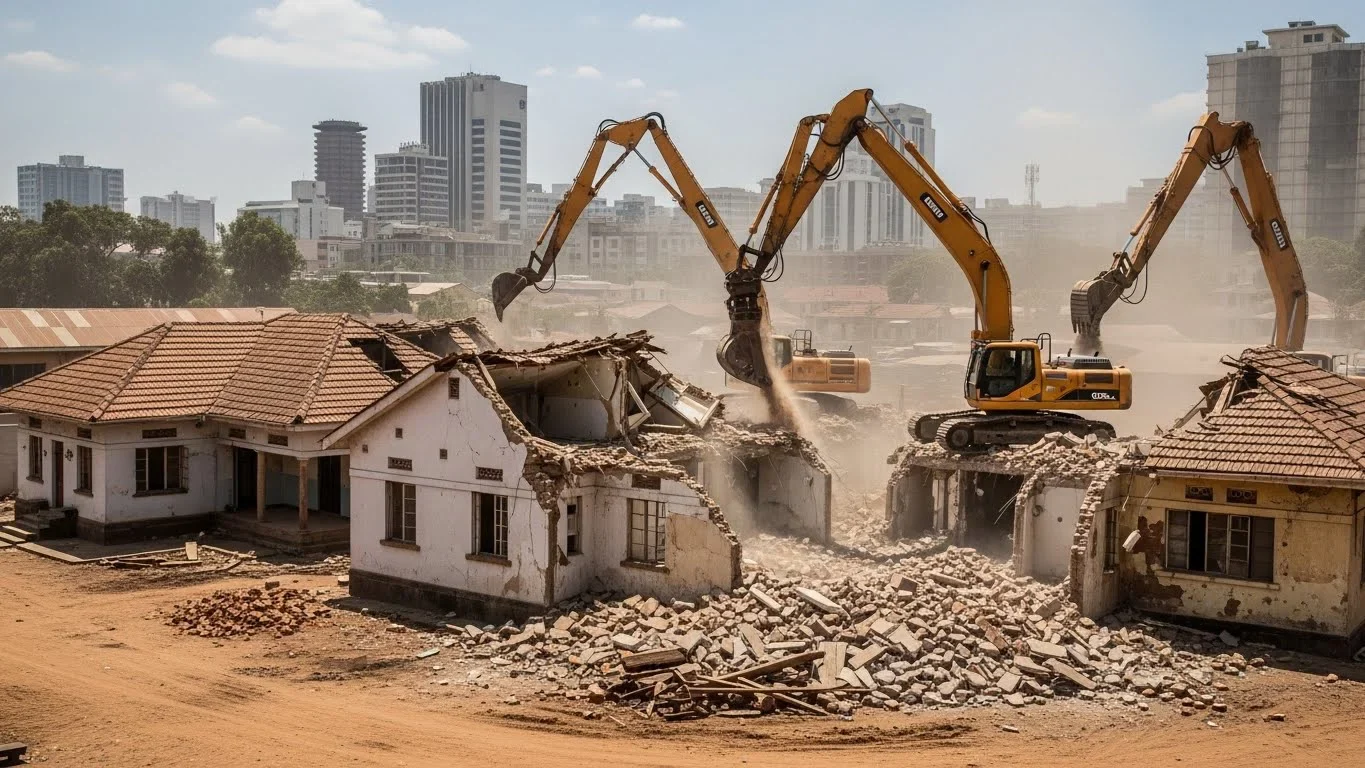
Makongeni has dominated headlines lately, and not for anything celebratory. One of Nairobi’s oldest estates, built in the 1920s for African railway workers, now lies in ruins after the latest round of demolitions. For decades, it offered stability to low-income families, a rare place where people could live close to the city without being crushed by escalating rent. Today, its long history is scattered in heaps of broken brick.
For many residents, Makongeni was far more than cheap housing. It was a community stitched together over generations, a short commute to town, and rent as low as Ksh 1,500, numbers that feel almost mythical in today’s economy. Families stayed for years, even lifetimes, because Makongeni gave them what the wider market rarely provides: affordability with dignity.
But Nairobi is changing. And change, especially in a crowded city, rarely arrives softly.
Table of Contents
What the Government Says It Intends to Do
According to official plans, Nairobi must grow vertically. The government views older estates as “underutilised public assets” sitting on land too valuable to remain low-density. The redevelopment agenda aims to transform these historic neighbourhoods into modern, multi-storey housing hubs.
The stated goals include increasing housing density, building more affordable units, modernising infrastructure, relying on public–private partnerships for financing, and giving Nairobi a more contemporary face. On paper, it reads like steady progress. But intentions tell only half the story; the impact tells the rest.
What Redevelopment Means for Residents
Urban renewal is never clean or simple. It carries gains and losses in equal measure, reshaping lives as much as landscapes.
The Upside
Redevelopment promises more housing units, easing pressure from Nairobi’s growing population. Newer buildings replace aging structures that were never designed to outlive a century. Infrastructure upgrades—water, drainage, roads, public spaces—could significantly improve living conditions. Some residents may even transition from long-term renting to structured ownership plans.
The Downside
But theory often clashes with reality. The demolitions have displaced families abruptly, sometimes with relocation plans that feel vague or insufficient. Long-standing communities have been scattered, tearing social ties that took decades to form. The term “affordable housing” also raises the question: affordable to whom? Many original residents may not qualify for or afford the newly built units.
Add to this the opacity of the process and the looming threat of gentrification, and you see a more complex picture, one where progress risks leaving behind the very people it claims to serve.
The Future of Government-Owned Estates
Makongeni is not an isolated incident. It is a preview of Nairobi’s next chapter.
More Demolitions Are Likely
Estates like Ziwani, Kaloleni, Bahati, and Mbotela sit on prime public land and share similar low-density colonial designs. They are high on the list for future redevelopment.
Shift from Renting to Ownership Models
The days of extremely low government rent are fading. Residents should expect tenant-purchase schemes, mortgages, or higher rent tiers shaped by construction costs and private partnerships.
Private Developers Will Play a Bigger Role
With public–private partnerships becoming the engine of redevelopment, private developers will influence how public land is used. This brings both efficiency and profit-driven decisions into the mix.
Communal Living Will Change
The classic open-court estates—with shared yards, communal spaces, and neighbourly familiarity—will give way to high-density living with a completely different rhythm.
Heritage Will Be at Risk
In the push toward modernisation, Nairobi risks losing architectural character, cultural memory, and the quiet warmth of older estates that held generations of stories.
What Makongeni Teaches the City
Makongeni’s demolition is more than a physical event; it is a symbolic moment. It forces Nairobi to confront the complicated balance between development and dignity, progress and preservation. The city is building its future, but the question remains: at what cost, and to whom?
Makongeni shows us that Nairobi is racing toward modernity, but it’s doing so on contested ground—ground layered with history, identity, and human resilience.