- Land has always been one of the most trusted forms of investment in Kenya.
- According to the Kenya Bankers Association House Price Index, land prices in Nairobi and its outskirts have outpaced income growth for years, making it harder for ordinary Kenyans to buy homes.
- Land speculation isn’t evil by itself but when it turns into hoarding , it stops being investment and starts being inertia.
If you’re Kenyan, you’ve definitely heard about buying land for speculation purposes. And if you haven’t already been sold that idea, trust that you’ll hear it soon, from a salesman, a relative, or even a friend.
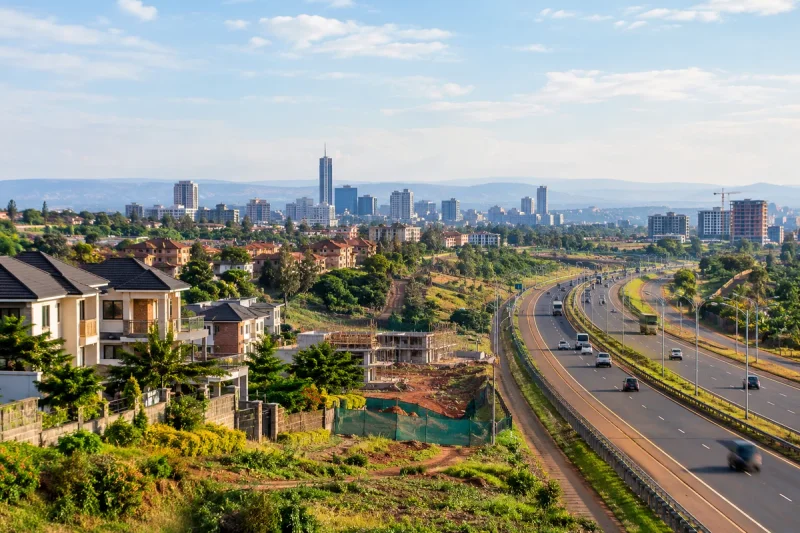
As an investment strategy, people buy plots of land, hold them for a few years, and wait for the value to rise before selling for a profit. For some investors, this has worked perfectly; case in point, Ruiru, now home to one of the country’s largest mixed-use estates. Over time, this approach has become incredibly popular among Kenyans, understandably so, since it once worked like a charm.
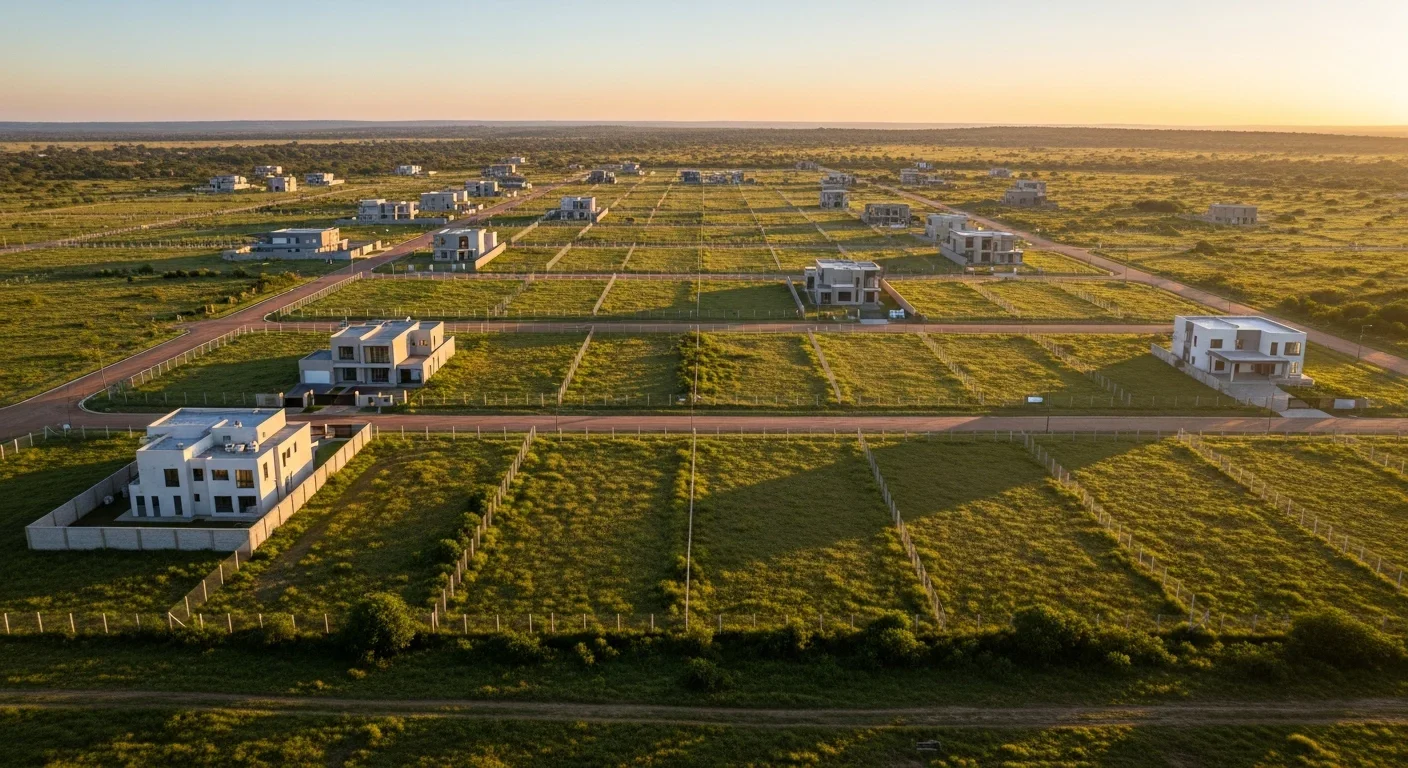
But today, many plots sit empty, bought, yes, but only for speculation, as investors wait to cash in sometime in the future. This begs the question: is this kind of investment just a smart strategy, or is it hoarding? And what are its real benefits or consequences for the market?
Table of Contents
Is It Investing or Hoarding?
To be fair, land has always been one of the most trusted forms of investment in Kenya. It’s tangible, it doesn’t depreciate, and it gives a sense of security that stocks or digital assets rarely do. The saying “land never loses value” has been passed down for generations, and in many ways, it’s shaped how Kenyans think about wealth.
But this mindset has also created a culture where owning land, even if it’s idle, feels like an achievement in itself. People buy plots not to develop, but to hold and wait. The problem is, when too many investors think this way, it quietly drives up prices and locks genuine home seekers out of the market.
According to the Kenya Bankers Association House Price Index, land prices in Nairobi and its outskirts have outpaced income growth for years, making it harder for ordinary Kenyans to buy homes. In areas like Ruai, Kamulu, and Ruiru, you’ll find entire stretches of land fenced off but undeveloped, a visible sign of speculative buying.
On one hand, you can’t blame the investors. The market rewards patience. A plot bought for KSh 500,000 ten years ago might fetch over KSh 2 million today. On the other hand, this cycle of buying and holding without development starves the market of supply, slows urban planning, and inflates land costs for everyone else.
So yes, it’s investing, but it’s also hoarding. The line between the two depends on intent and impact. If you’re buying to build or create value, that’s investment. But if you’re buying simply to wait for others to develop the area so your land becomes more valuable, that’s hoarding, plain and simple.
So Where Do We Draw the Line?
Maybe the bigger question isn’t whether land banking is good or bad, it’s what kind of economy we’re building when everyone’s waiting to sell instead of build.
Because while investors are holding onto empty plots, the housing deficit keeps widening. Kenya’s urban population grows by nearly half a million people every year, yet the country builds only a fraction of the homes needed. When land becomes a game of “who’ll sell last,” development slows down and ordinary Kenyans pay the price.
There’s also a social cost. When whole neighbourhoods sit undeveloped, roads end abruptly, amenities like streetlights and schools never materialise, and any sense of community fades away, all because everyone is waiting for someone else to make the first move. We end up with land that’s owned, but not lived on.
Land speculation isn’t evil by itself. In fact, it can be smart business when done responsibly. But when it turns into hoarding , driven by fear of missing out rather than vision, it stops being investment and starts being inertia.
Maybe it’s time we redefined what “owning land” means. Not just holding it, but shaping it. Not just waiting on value, but creating it. Because if everyone’s just waiting, who’s actually building Kenya?