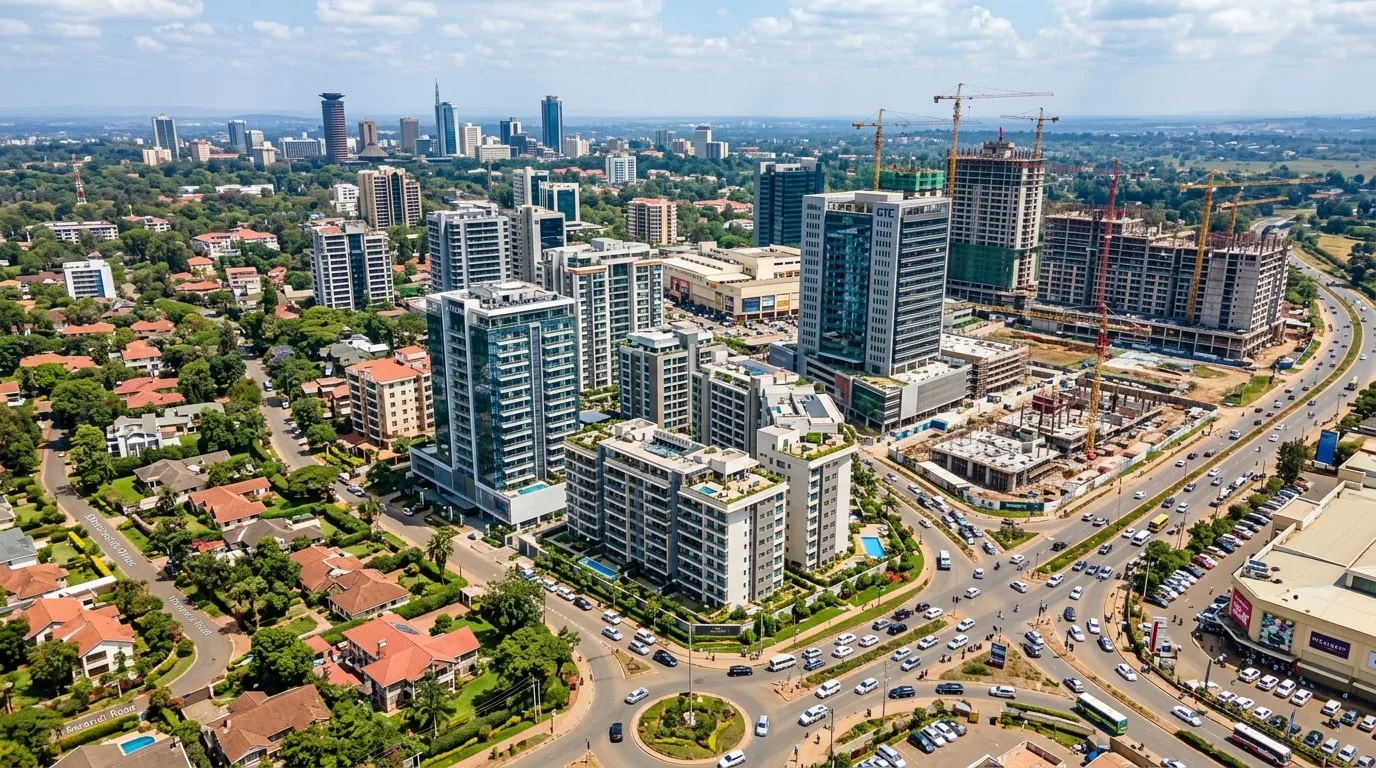
- The real estate market in Kenya, and East Africa at large, has experienced significant growth over the past few years.
- For many investors, apartments have become the obvious investment choice, whether for rental income, resale, or short-term stays such as Airbnb.
- One of the clearest signs of a possible saturation problem is the growing imbalance between supply and demand in certain parts of Nairobi.
- Nairobi’s apartment market is not collapsing, but there are growing signs that some areas may be experiencing oversupply.
Growth in any market is inevitable. The real estate market in Kenya, and East Africa at large, has experienced significant growth over the past few years. As the population continues to increase, so does the demand for housing. Over time, more people have moved into cities in search of better opportunities, and as a result, Nairobi’s housing deficit has become increasingly visible.
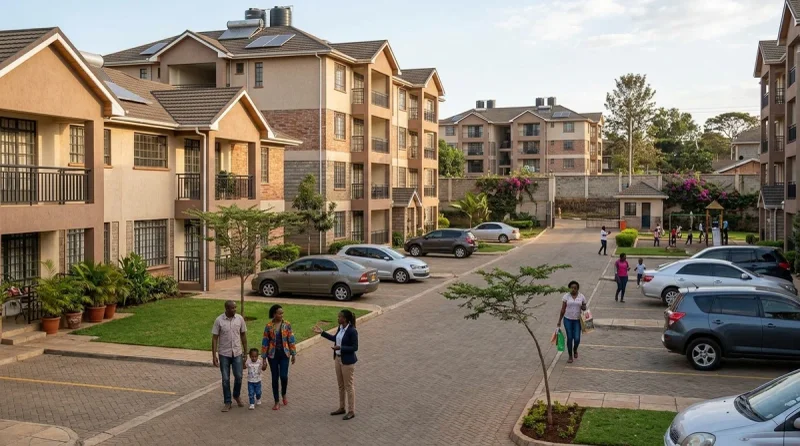
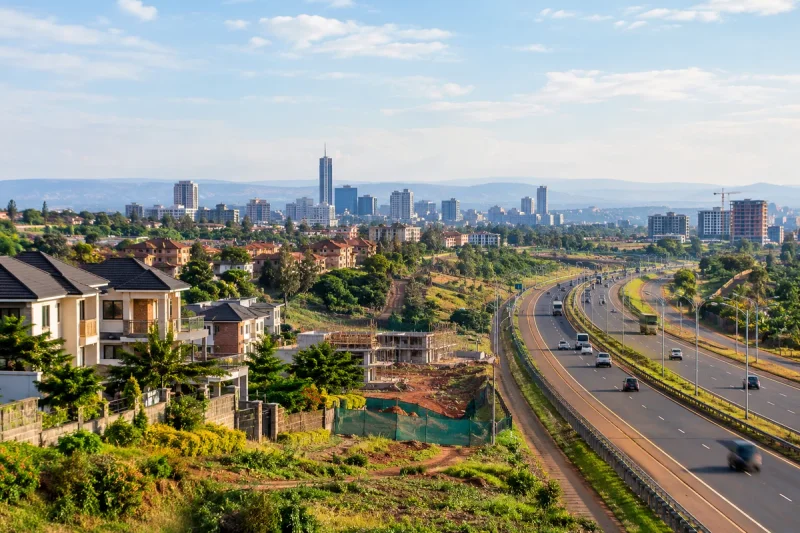
In response to this demand, developers have chosen to build upwards. About twenty years ago, apartments were not as prevalent as they are today. Now, almost everywhere you turn in Nairobi, there is a new apartment coming up, and they keep getting taller by the day.
The reality is that the number of players entering the market has also increased significantly. For many investors, apartments have become the obvious investment choice, whether for rental income, resale, or short-term stays such as Airbnb.
According to the recently released HassConsult Q1 2026 Property Price Index, apartment performance in several areas has started showing signs of pressure, raising an important question: is Nairobi slowly approaching apartment saturation?
READ ALSO: Nairobi vs Dubai: A Tale of Two Real Estate Markets
Table of Contents
Why Apartments Became So Popular
For developers, apartments have made financial sense for years. Land within Nairobi has become increasingly expensive and scarce, making vertical development more profitable than standalone homes. Apartments also allow developers to maximise returns by building multiple units on relatively small parcels of land.
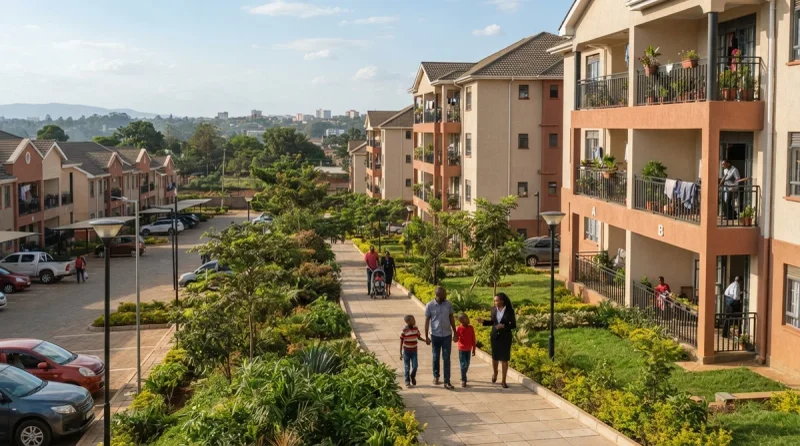
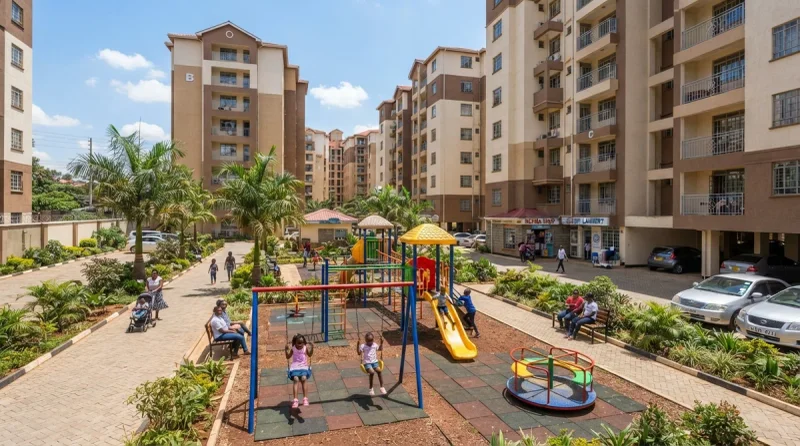
At the same time, Nairobi’s growing urban population created a strong market for apartment living. Apartments became attractive because they offered relatively affordable housing options within or near the city, especially for young professionals and middle-income families.
The rise of furnished apartments and Airbnb rentals also accelerated the trend. Many investors saw apartments as easier and faster ways to generate income, encouraging even more developments across Nairobi and its surrounding areas.
As demand continued growing, developers responded aggressively, and in some areas, construction has barely slowed down.
Is Supply Beginning to Outpace Demand?
One of the clearest signs of a possible saturation problem is the growing imbalance between supply and demand in certain parts of Nairobi.
Over the years, developers have continued putting up apartment projects at an aggressive pace, particularly in areas such as Kilimani, Kileleshwa, Westlands, Syokimau and Ruaka. In many of these locations, new developments are completed almost as quickly as new ones are launched.
However, while supply continues to increase, the economic environment has changed significantly.
Rising living costs, reduced purchasing power and tighter household budgets are making buyers more cautious. Many people who would traditionally purchase apartments are now postponing home ownership, opting to rent instead or moving to more affordable satellite towns.
This is beginning to slow market absorption, especially in areas where apartment developments are highly concentrated.
What the Market Data Is Showing
The HassConsult Q1 2026 Property Price Index already reflects signs of pressure within the apartment market.
According to the report, apartment prices in locations such as Westlands and Upper Hill declined during the quarter, largely due to increased supply pressure. In contrast, detached homes in suburbs such as Karen, Lavington and Spring Valley continued recording strong growth.
This difference is important because it suggests that the broader property market itself may not necessarily be weak. Instead, the pressure appears to be concentrated within apartment-heavy locations where supply may be growing faster than actual demand.
In simple terms, some parts of Nairobi may now have more apartments than the current market can comfortably absorb.
The Airbnb and Investor Effect
Another factor contributing to the rapid apartment boom has been investor-driven demand.
Over the years, many people purchased apartments specifically for rental income, resale or Airbnb businesses. In areas popular with short-term stays, furnished apartments became especially attractive because they promised faster returns compared to traditional rental models.
Naturally, this encouraged more developers to focus heavily on apartment construction.
However, as more furnished apartments continue entering the market, competition has also intensified. Occupancy is no longer guaranteed, especially in locations where multiple developments are targeting the same tenants and short-stay guests.
As a result, some investors are beginning to experience lower returns, longer vacancy periods and increased competition.
Saturation or Market Evolution?
That said, apartment saturation does not necessarily mean Nairobi no longer needs apartments. The city is still urbanising rapidly, and demand for housing remains high.
Apartments will continue playing a major role in addressing Nairobi’s housing shortage, especially as land becomes more limited and expensive.
What may be happening instead is that the market is becoming more mature and more competitive. Buyers and tenants are becoming more selective, paying closer attention to factors such as location, quality, accessibility, security and value for money.
The era of building apartments simply because “apartments sell” may slowly be coming to an end.
Conclusion
Nairobi’s apartment market is not collapsing, but there are growing signs that some areas may be experiencing oversupply.
As economic pressure continues affecting buyers and more developments enter the market, the conversation is slowly shifting from whether apartments can sell to how many apartments the market can realistically absorb.
The next phase of Nairobi’s real estate growth may depend less on building more apartments and more on building developments that are sustainable, differentiated and aligned with what the market truly needs.
READ ALSO: Real Estate Powers Kenya’s Most Competitive Counties