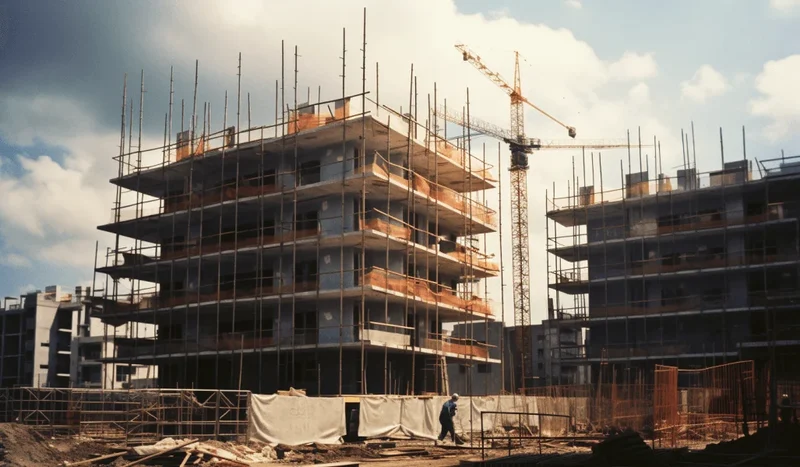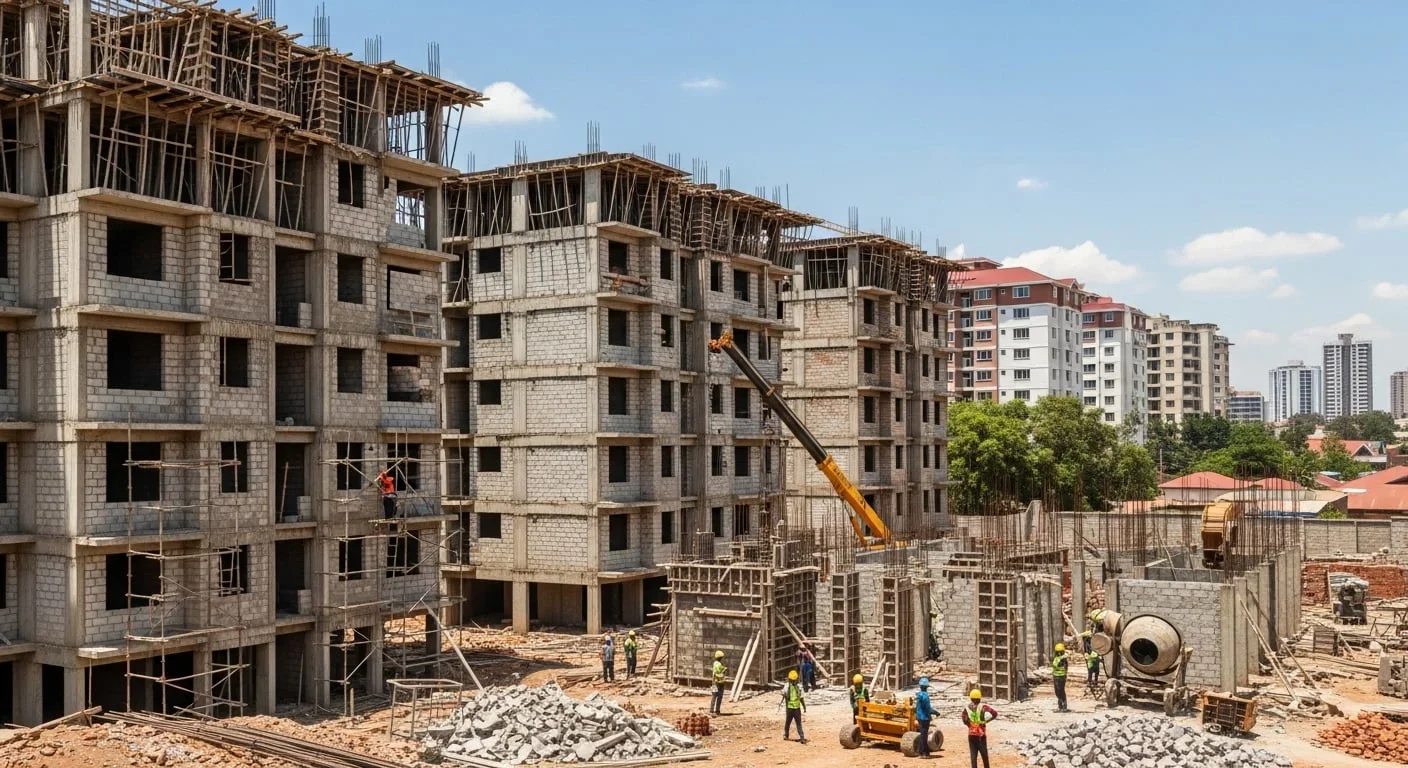
- Kenya is set to receive a significant financial injection aimed at giving the affordable housing agenda real momentum.
- About 547,000 adults, a mere 2% of the population, have signed up on Boma Yangu. Out of these, only 52,000 have managed to save consistently.
- If this money is used the way it’s meant to be, Kenyans could start seeing real changes in the way mortgages work.
Kenya’s housing deficit is an open truth we walk past every day. The numbers often paint a flattering picture, a 61% homeownership rate, but that headline leans heavily on rural inheritance, not urban opportunity. In the towns and cities where the cost of living bites hardest, only about 21.3% of residents own the roofs above their heads. The rest belong to a restless renting class, drifting between rising rents and shrinking options.
The Affordable Housing Programme was meant to shift this tide, yet its story reads differently on the ground. About 547,000 adults, a mere 2% of the population, have signed up on Boma Yangu. Out of these, only 52,000 have managed to save consistently. One in ten. It’s a statistic that hints at more than strained wallets; it speaks to uncertainty, caution, and a public that has learned, time and again, to take big promises with a measured breath.
Meanwhile, the deficit grows by an estimated 200,000 units every year. For many urban families, the dream of homeownership feels like something constantly moving a few steps ahead, close enough to imagine, far enough to frustrate.
But the ground may be shifting.
Kenya is set to receive a significant financial injection aimed at giving the affordable housing agenda real momentum. The World Bank is leading efforts to mobilise $1.35 billion (Sh167.9 billion) for low-cost mortgages and new housing developments, a blend of a $375 million (Sh48.4 billion) concessional loan and support to raise an additional $900 million (Sh116.3 billion) from commercial lenders through a sustainability-linked sovereign loan.
It’s not a magic fix, we’ve learned better than to believe in those, but it is the kind of financial muscle that can change the tempo of a long-running struggle. If deployed wisely, it could open doors that have stayed shut for too many for far too long.
Once the financing is secured, part of it is expected to flow through the Kenya Mortgage Refinancing Company (KMRC), the institution that buys mortgages from banks so they can lend at lower and more stable rates. In theory, this could translate into friendlier mortgage products for ordinary Kenyans, longer repayment periods, less brutal interest rates, and a wider pool of lenders willing to participate.
But as always, the impact will depend on execution. Funding only matters if it reaches the people it was meant for.
Table of Contents
What This Funding Could Mean for the Average Kenyan Buyer
If this money is used the way it’s meant to be, Kenyans could start seeing real changes in the way mortgages work. For years, getting a mortgage has felt almost impossible for the average person; rates are high, deposits are hefty, and banks make it feel like only a handful of people actually stand a chance. No wonder so few have been able to take that step.
With KMRC helping to refinance loans, banks could finally have room to offer mortgages that don’t strangle a salary. Not magic rates, but manageable ones, longer repayment periods, predictable installments, and maybe even lower deposits. For first-time buyers, young families, or anyone who’s always been “almost there,” this could finally make owning a home feel within reach.
What Developers and the Market Might Do Next
All this financing won’t magically make homes appear overnight. Developers still have to build, and many have spent years chasing higher-end projects because that’s where the profits are. The question now is whether this fresh wave of funding will finally make affordable housing worth their while. Will they scale up quickly, or treat it like another government promise to tick off the books?
For the urban market, there’s a delicate balance. Too little supply, and prices stay high; too fast, and quality suffers. If developers and banks align, the money could kick-start a new rhythm — projects breaking ground, homes becoming accessible, and a market that actually reflects the realities of ordinary earners. But missteps, delays, or cost overruns could swallow the gains before anyone even notices.
For buyers, this is the part to watch closely. The first mortgages, the first units delivered, the first families moving in, that’s when the abstract numbers become real. That’s when the promise of affordable housing either lands where it matters or fades into yet another statistic.
Conclusion
At the end of the day, this funding is a spark, not a miracle. It can give the market momentum, open doors, and make homeownership feel possible for people who have been waiting too long. But money alone doesn’t fix broken systems, high costs, or long-standing distrust. Execution will decide whether this moment becomes a turning point or just another headline.
For ordinary Kenyans, the message is simple: watch closely, save diligently if you can, and pay attention to the first units and mortgage products that come out. Those will tell the real story; not the announcements, not the press releases, but the homes people actually move into, the families who finally feel a place is theirs.
This isn’t a revolution, but it could be the first chapter in a new one; the chapter where the housing market begins to serve the people it was meant to.