- In 2008, President Mwai Kibaki unveiled Kenya Vision 2030, a national blueprint for transforming the country into a middle-income economy.
- The Affordable Housing Program relies heavily on public–private partnerships.
- Affordable housing is a bold step in the right direction, but it’s not a silver bullet.
In 2008, President Mwai Kibaki unveiled Kenya Vision 2030, a national blueprint for transforming the country into a middle-income economy. It was anchored on three pillars: Economic, Social, and Political. Under the Social pillar sat housing, with a clear ambition, raise Kenyans’ quality of life by expanding access to decent, affordable homes across the country.
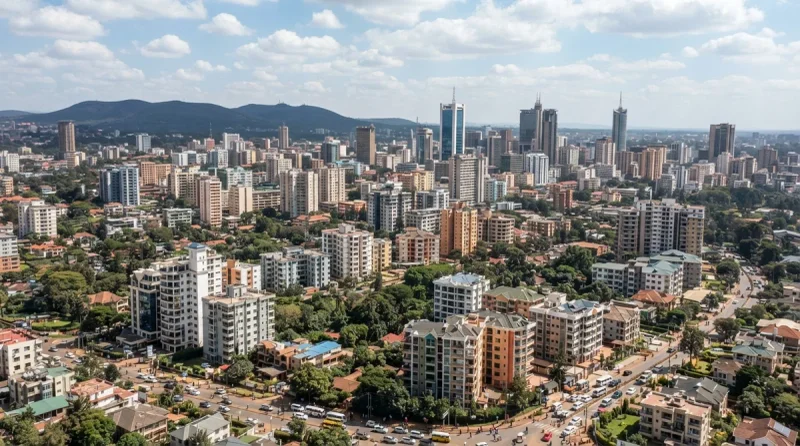
Kibaki’s team recognised a harsh truth: urban housing was deeply out of reach for low- and middle-income families, with annual demand topping 200,000 units while supply limped at fewer than 40,000. Nearly two decades later, Kenya’s population has grown from about 38 million to over 54 million. Nairobi alone has ballooned from just over 3 million residents to nearly 6 million today. The pressure on shelter is sharper than ever.
READ ALSO: Kenya’s Affordable Housing: Progress and Challenges in 2025
Table of Contents
Affordable Housing: Definition and Scope
So, what exactly is affordable housing in Kenya, and what does it entail? The Affordable Housing Program (AHP) is a government initiative designed to ensure every Kenyan has access to a decent home. The guiding principle is that no household should spend more than 30% of its income on housing, leaving enough room to cover other basic needs.
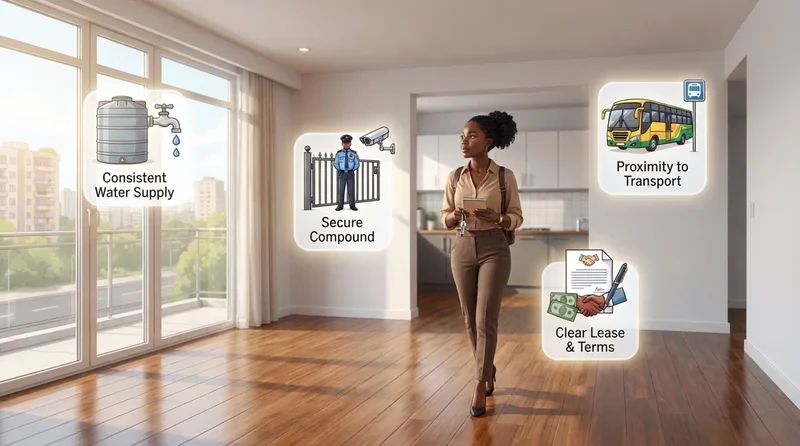
But affordable housing goes beyond just providing a roof. It’s about ensuring residents have access to essential infrastructure, reliable services, and secure, dignified living conditions , in short, a decent quality of life.
The program is structured into three main categories:
- Social Housing – for individuals earning below Kshs 20,000 per month.
- Affordable Housing – targeting households with monthly incomes between Kshs 20,000 and Kshs 149,000.
- Affordable Market Housing (sometimes called market-rate housing) – for those earning above Kshs 150,000 per month.
Each category is designed to match different income groups with suitable financing options, ensuring that no Kenyan is completely locked out of the dream of homeownership.
READ ALSO: Boma Yangu Project Demystified: Essential Facts and Insights
The Contractor’s Incentive Model
Now, if you’re wondering who actually puts up these houses, and more importantly, why a contractor would take on affordable housing instead of chasing higher-end projects; here’s how it works.
The Affordable Housing Program relies heavily on public–private partnerships. The government brings certain sweeteners to the table that make it worth a contractor’s while. Think of it as a trade-off: lower sale prices, yes, but also lower risks and costs.
Contractors get perks like:
- Free or subsidised public land, cutting out one of the biggest expenses in real estate.
- Tax breaks and duty exemptions on construction materials.
- Fast-track approvals for permits that usually drag on forever.
- In some cases, the government even guarantees to buy up unsold units, so the developer isn’t left holding the bag.
So while the profit on each unit isn’t huge, the math still makes sense. Lower costs plus guaranteed demand equals steady returns. Instead of chasing a few luxury buyers, contractors can build thousands of units, move them quickly, and keep the cash flowing.
Access and Allocation: How Citizens Benefit
Alright, so the houses are going up but how do regular Kenyans actually get their hands on one? That’s where the Boma Yangu portal comes in. It’s the government’s official platform for registration, saving, and applying for affordable housing units.
Here’s how it works in practice:
- Registration – A citizen signs up on the Boma Yangu platform and submits basic details like their ID and KRA PIN.
- Saving – To qualify, applicants make monthly contributions into their housing account, showing commitment and building a track record.
- Allocation – Once a project is complete, the available units are allocated through a transparent balloting system, with priority often given to first-time homeowners, low-income earners, and vulnerable groups.
Now, here’s the catch: saving doesn’t guarantee you a house right away. Demand for units far outstrips supply, so even committed savers might miss out on the ballot. But those contributions aren’t lost, your money stays in the account, can roll over into the next project, or even be refunded if you opt out. Consistency improves your chances, but fairness comes first.
In short, the system is designed to give ordinary Kenyans a fair shot at homeownership, without houses being quietly cornered by elites.
Does Affordable Housing Solve Kenya’s Housing Crisis?
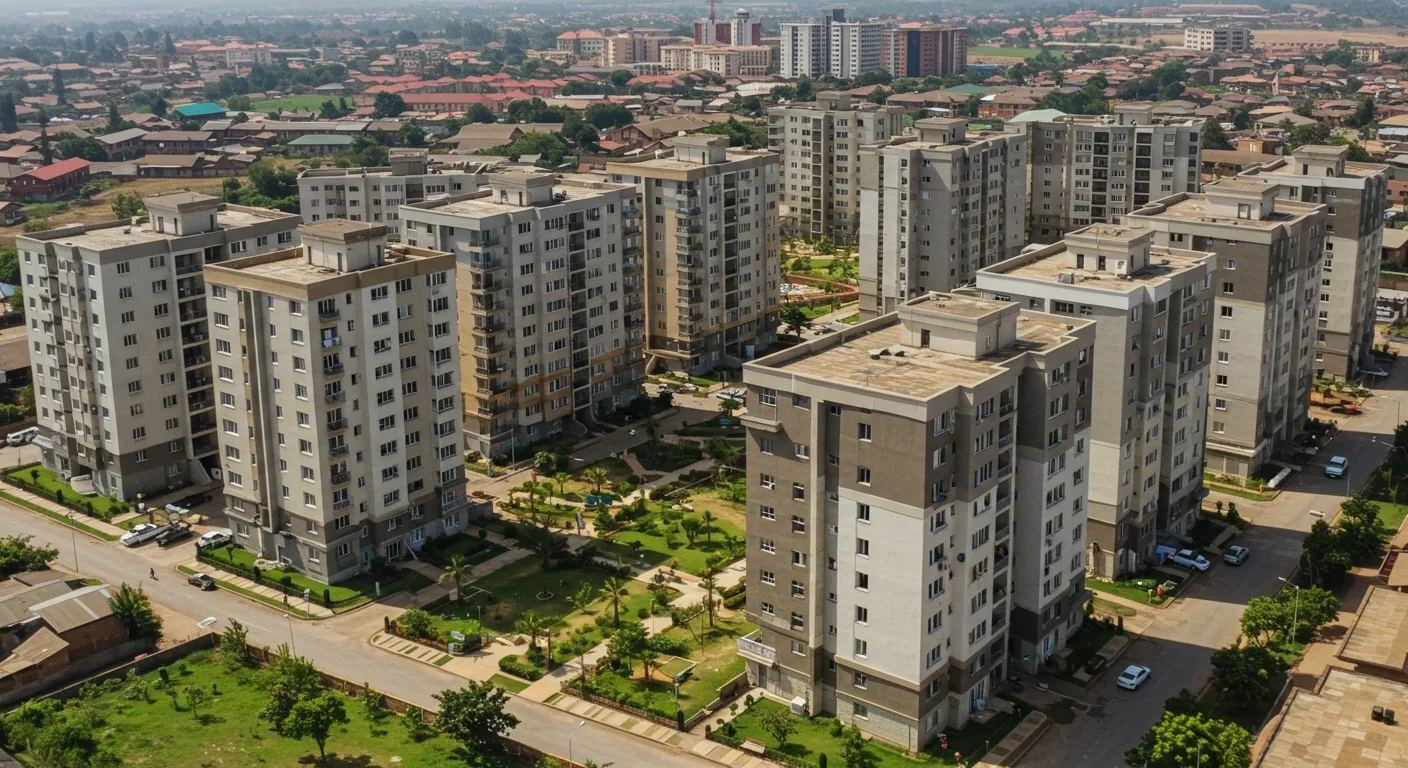
Affordable housing is a bold step in the right direction, but it’s not a silver bullet. Kenya needs more than 200,000 new housing units every year to keep up with demand, yet the actual supply falls far short. Projects like Park Road in Ngara, Pangani, and Mukuru have shown what’s possible, giving thousands of families a dignified home, but they also highlight the scale of the challenge. In Park Road, for instance, over 200,000 Kenyans applied for just 1,370 units.
The program’s design is solid: it matches homes to income levels, makes construction attractive for contractors, and uses digital platforms like Boma Yangu to keep the process transparent. But unless supply expands much faster, many citizens will remain on the waiting list. Financing also remains a hurdle, especially for the lowest-income households who struggle even with subsidised prices.
Still, the initiative matters. Beyond providing shelter, it reduces the spread of informal settlements, creates jobs in construction, and pushes the country closer to Vision 2030’s promise of better living standards. Affordable housing won’t solve the crisis overnight, but it lays a foundation for a more inclusive housing market , one where homeownership is no longer just a dream for the privileged few.
READ ALSO: Fixing the Affordable Housing Puzzle: What Kenya Can Learn from Global Models Like Singapore