- Should you buy an older home or a new one?
- It’s a debate with no one-size-fits-all answer. Some buyers love the modern finishes and convenience of a brand-new development.
- One of the biggest advantages of buying a new home is that it’s designed with modern living in mind.
- Older homes often sit on larger parcels of land, which can appreciate significantly over time.
Buying a home is one of the biggest financial decisions you’ll ever make. And while factors like location and budget often take centre stage, there’s another important question many buyers face:
Should you buy an older home or a new one?
It’s a debate with no one-size-fits-all answer.
Some buyers love the modern finishes and convenience of a brand-new development. Others are drawn to the charm, space and established neighbourhoods that older homes offer.
The truth is, both have their advantages. The right choice comes down to what matters most to you.
Here’s what to consider before making your decision.
READ ALSO: Are Houses Getting Smaller and More Expensive? Is Nairobi Becoming the Next New York?
Table of Contents
Space: Older Homes Often Have the Edge
If you’ve ever walked into an older home and thought, “These rooms feel much bigger,” you’re probably right.
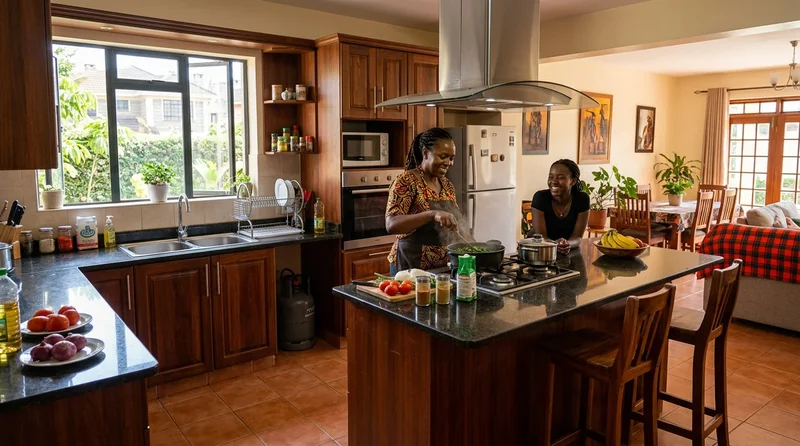
Many older homes were built on larger plots and feature spacious living rooms, generous bedrooms, bigger kitchens and expansive gardens. Developers weren’t under the same pressure to maximise every square metre of land.
New homes, on the other hand, are designed to make the best use of available space. Open-plan layouts create a modern feel, but the rooms themselves may be smaller than what you’d find in an older property.
If having space to grow, entertain or simply enjoy a larger home is a priority, an older home may appeal to you.
Modern Living: New Homes Are Built for Today’s Lifestyle
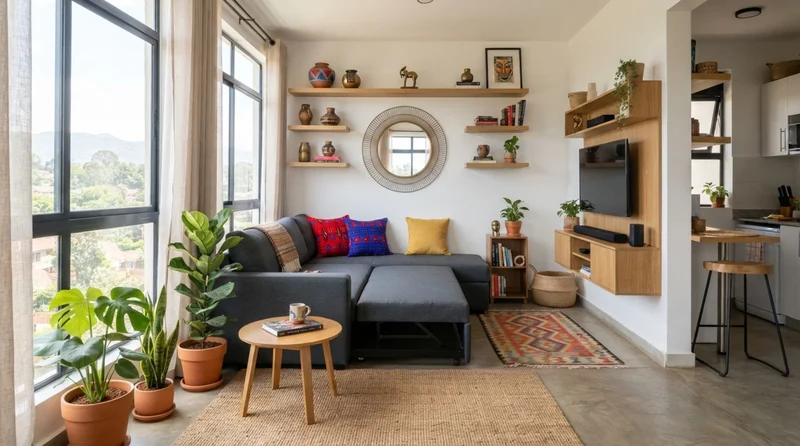
One of the biggest advantages of buying a new home is that it’s designed with modern living in mind.
Many new developments come with features such as:
- Swimming pools
- Gyms
- Children’s play areas
- Backup generators
- Boreholes
- High-speed internet
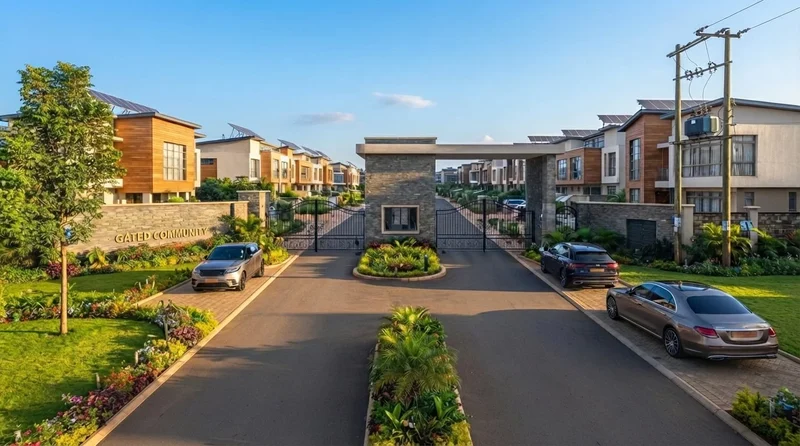
- CCTV and controlled access
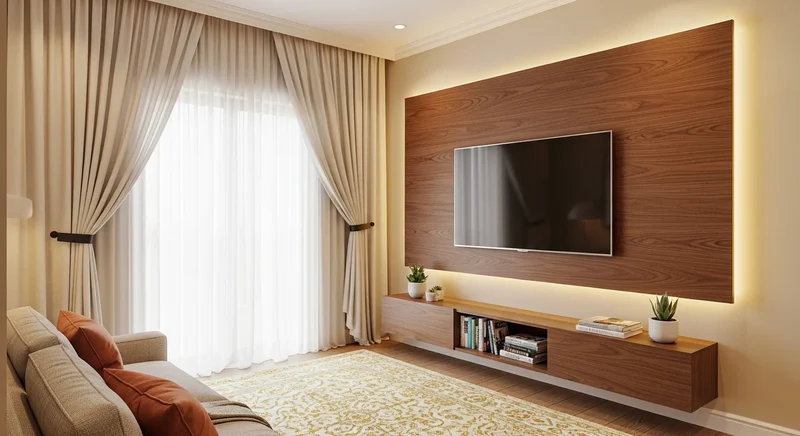
Inside, you’ll often find open kitchens, energy-efficient lighting, contemporary finishes and layouts that suit today’s lifestyles.
For buyers who want a home that’s ready to move into with minimal upgrades, a new build can be an attractive option.
Maintenance: Think Beyond the Purchase Price
It’s easy to focus on the asking price, but it’s equally important to think about what comes after you’ve moved in.
A new home typically requires less maintenance during the first few years. Everything from the roof to the plumbing and electrical systems is new, which can save you money on repairs.
Older homes may require renovations or upgrades over time. Depending on the property’s condition, you might need to budget for repainting, replacing pipes, updating bathrooms or modernising the kitchen.
That doesn’t mean older homes are a bad investment, it simply means it’s important to inspect the property carefully and factor any future maintenance into your budget.
Character vs. Contemporary Design
This is where personal preference really comes into play.
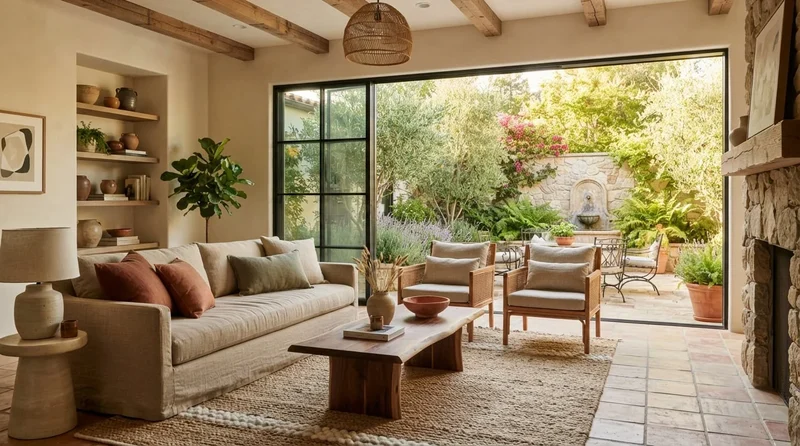
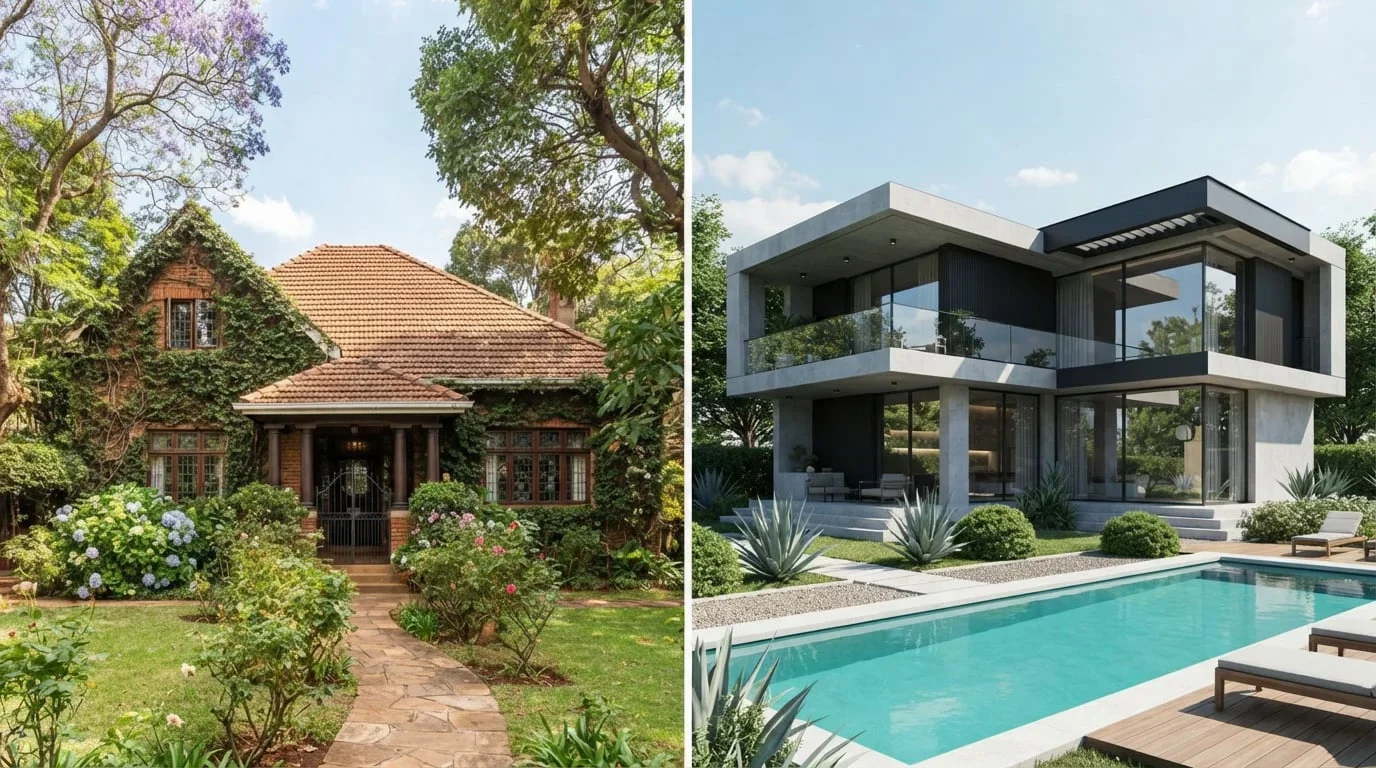
Older homes often have a character that’s difficult to replicate. Mature gardens, large trees, unique architecture and established surroundings give them a sense of warmth and personality.
New homes offer something different. Clean lines, modern finishes and contemporary design appeal to buyers looking for a fresh, move-in-ready space.
Neither is better than the other. It simply depends on what feels like home to you.
Location Matters More Than Age
Sometimes, the decision isn’t about the house at all, it’s about where it’s located.
Many of Nairobi’s established neighbourhoods, such as Karen, Lavington, Kileleshwa and Muthaiga, feature older homes on larger plots in mature communities.
Meanwhile, newer developments are common in fast-growing areas such as Ruiru, Syokimau, Kikuyu, Athi River and Kitengela, where developers continue to respond to increasing demand for housing.
Ask yourself what’s more important: living in a well-established neighbourhood or buying into an area that’s still growing.
What About Investment Potential?
Both older and newer homes can make good investments.
Older homes often sit on larger parcels of land, which can appreciate significantly over time. In some cases, the land itself becomes more valuable than the house, particularly in high-demand areas where redevelopment is taking place.
New homes, meanwhile, tend to attract buyers and tenants looking for modern amenities and low-maintenance living. If you’re buying with rental income in mind, a well-located new apartment could appeal to a broad range of tenants.
Rather than asking which is the better investment, it’s worth asking which property aligns with your financial goals.
So, Which One Should You Choose?
There’s no clear winner, and that’s actually good news.
If you value space, mature neighbourhoods and timeless character, an older home could be exactly what you’re looking for.
If you prefer modern finishes, lifestyle amenities and the convenience of a move-in-ready property, a new home may be the better fit.
At the end of the day, the best home isn’t necessarily the newest or the oldest. It’s the one that suits your lifestyle, fits your budget and supports your long-term plans.
Before making a decision, take the time to view different properties, ask questions, compare the total cost of ownership and think beyond the listing photos.
A home is more than just bricks and mortar, it’s where your next chapter begins.
READ ALSO: The Future of Luxury Living in Kenya: Smart Homes, Green Spaces and Better Design