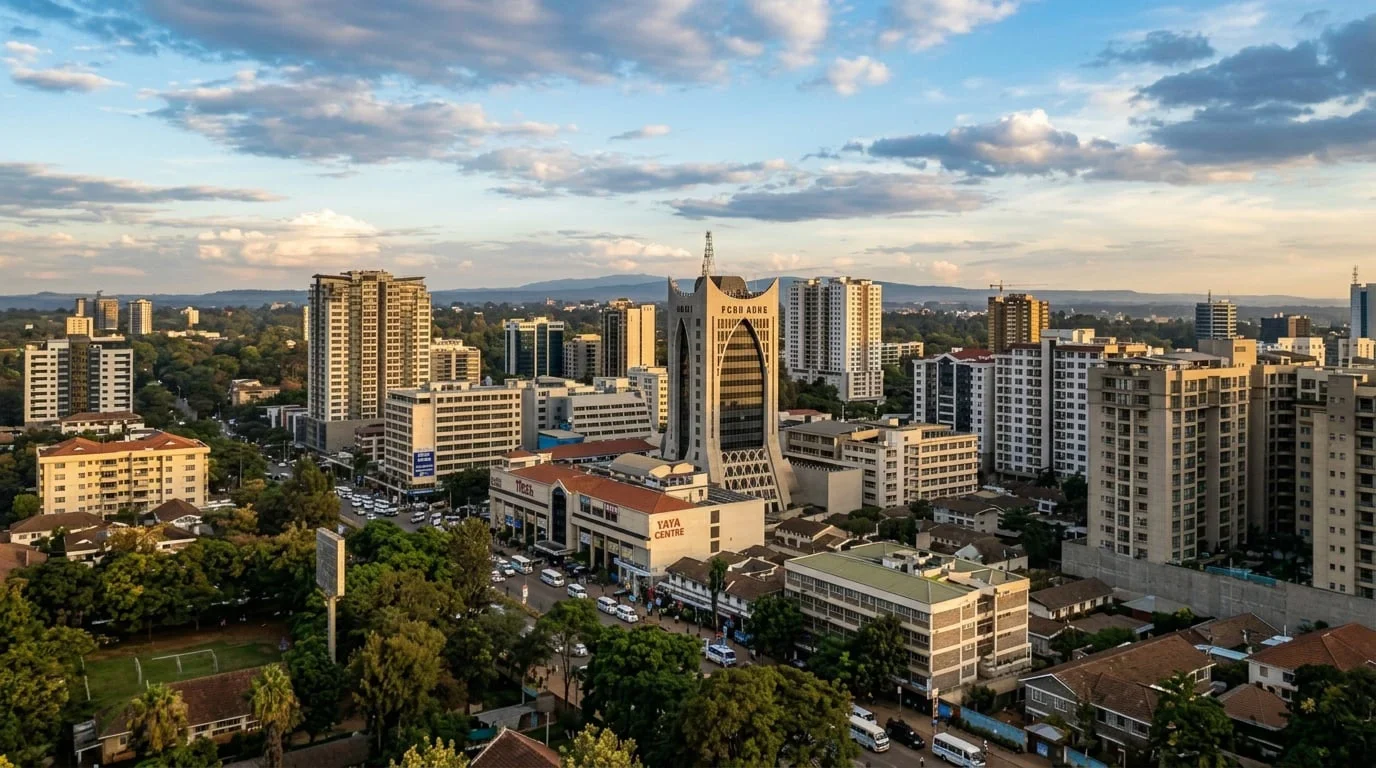
Kilimani has become one of Nairobi’s most talked-about neighbourhoods over the last few years. Once known primarily as a quiet residential suburb, the area has evolved into a fast-growing urban hub filled with modern apartment developments, cafés, restaurants, offices, shopping centres, gyms, and co-working spaces.
Today, Kilimani attracts a mix of young professionals, expatriates, entrepreneurs, remote workers, students, and investors looking for convenience, accessibility, and a more lifestyle-driven way of living.
For anyone considering moving to the area, renting an apartment, buying property, or investing, here’s what living in Kilimani in 2026 actually looks like.
Kilimani At A Glance
Table of Contents
Best Known For
- Modern apartment living
- Central location
- Vibrant social scene
- Restaurants and cafés
- Strong rental demand
- Convenience and accessibility
Best Suited For
- Young professionals
- Expatriates
- Remote workers
- Airbnb investors
- Apartment buyers
- Lifestyle-focused residents
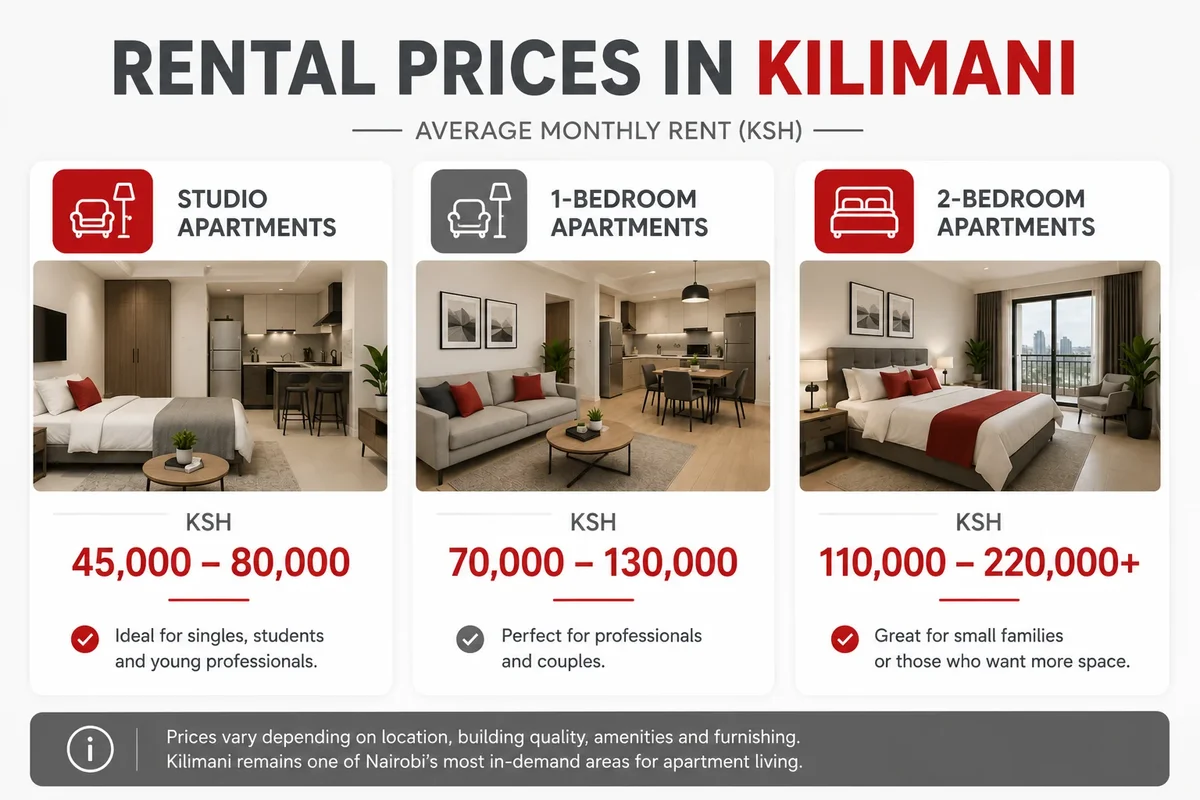
Average Rent Range in 2026
- Studio apartments: KSh 45,000 – 80,000
- 1-bedroom apartments: KSh 70,000 – 130,000
- 2-bedroom apartments: KSh 110,000 – 220,000+
Commute Access
- CBD: 15–30 minutes depending on traffic
- Upper Hill: 10–20 minutes
- Westlands: 20–35 minutes
Overall Vibe
Urban, busy, convenient, modern, social, and fast-paced.
Where Is Kilimani Located?
Kilimani sits between several of Nairobi’s key commercial and residential areas, making it one of the city’s most strategically positioned neighbourhoods.
The area is connected by major roads including Ngong Road, Argwings Kodhek Road, Dennis Pritt Road, and Ring Road Kilimani.
Its location gives residents relatively easy access to:
- Nairobi CBD
- Upper Hill
- Westlands
- Lavington
- Kileleshwa
- Hurlingham
This central positioning is one of the main reasons why Kilimani continues to attract both residents and investors.
What Is the Lifestyle Like in Kilimani?
Kilimani is one of Nairobi’s most active lifestyle neighbourhoods.
The area feels busy almost all week, with a constant flow of people moving between offices, apartment buildings, restaurants, gyms, shopping centres, and social spaces.
Unlike quieter suburban neighbourhoods, Kilimani has a more energetic and urban atmosphere.
One of the biggest advantages of living in the area is convenience. Many residents can access supermarkets, cafés, pharmacies, salons, fitness centres, restaurants, and shopping malls within a short drive or walking distance.
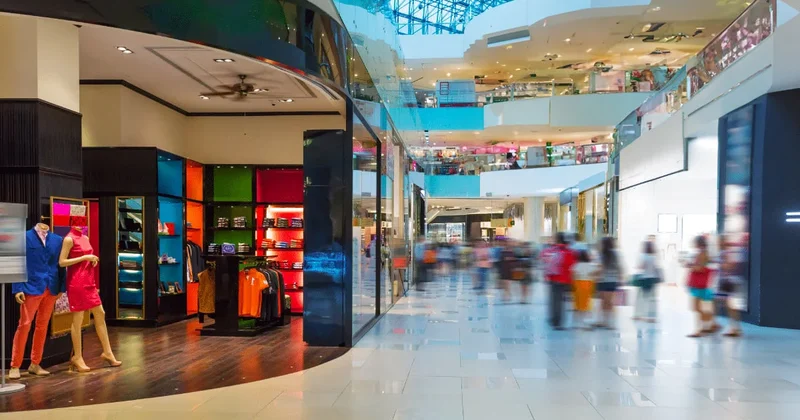
Popular lifestyle and shopping destinations in and around the area include:
- Yaya Centre
- Prestige Plaza
- Adlife Plaza
The café and restaurant scene has also grown significantly over the years, making Kilimani popular among remote workers and younger residents looking for social spaces outside traditional office environments.
What Kind of Homes Are in Kilimani?
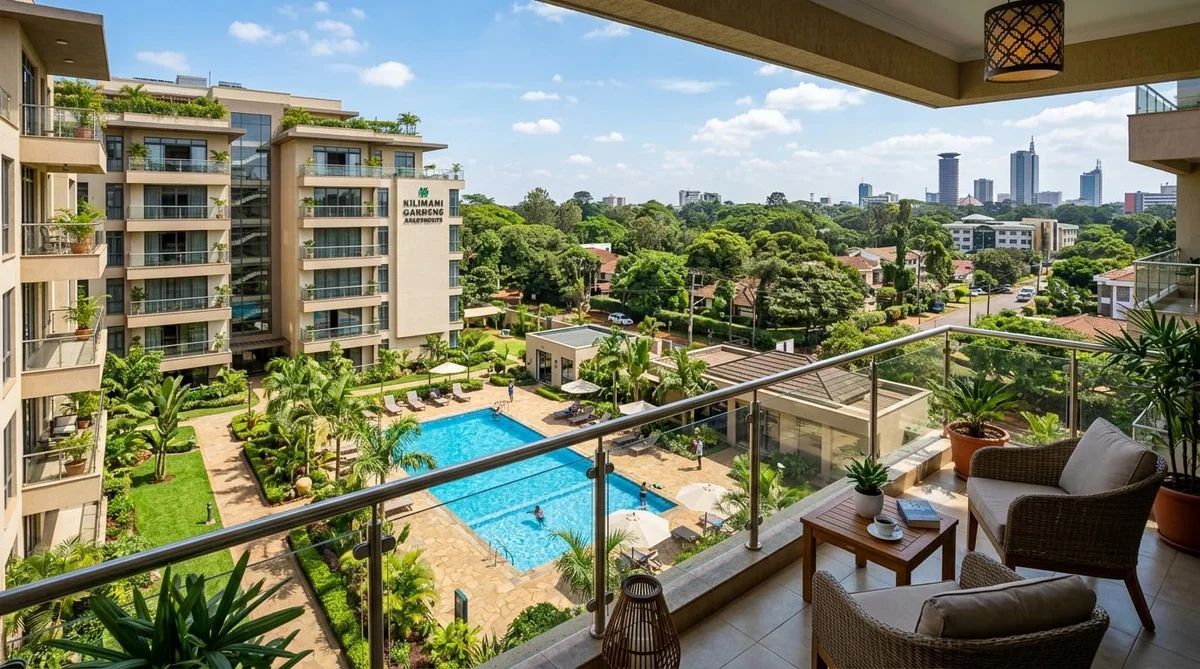
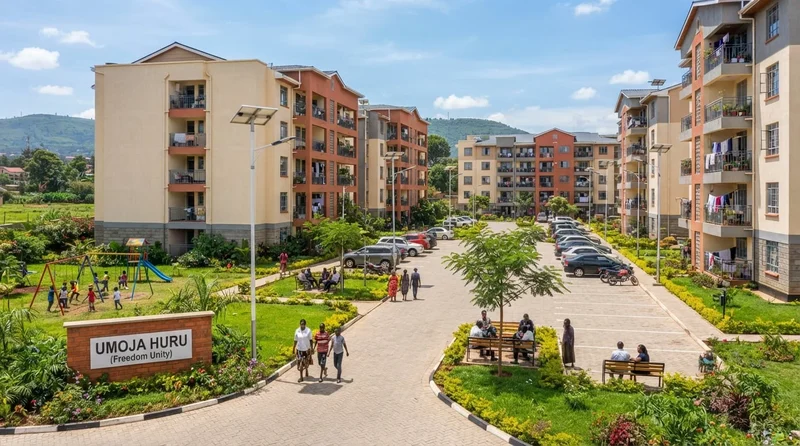
Apartment developments dominate Kilimani’s housing market.
Most new developments feature:
- Swimming pools
- Gyms
- Backup generators
- Boreholes
- Rooftop terraces
- High-speed lifts
- Co-working spaces
- Enhanced security systems
Studios and one-bedroom apartments are especially common due to strong demand from young professionals and short-term renters.
At the same time, larger two-bedroom and three-bedroom apartments continue to attract small families and long-term residents looking for central living.
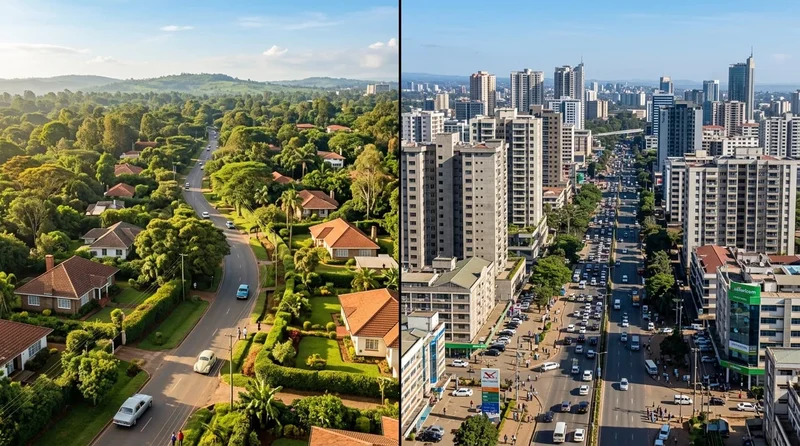
Compared to areas like Karen or Runda, Kilimani offers a much denser and more vertical style of living.
Is Kilimani Walkable?
Parts of Kilimani are relatively walkable, especially around commercial centres and main roads.
However, walkability still depends heavily on the specific section of the neighbourhood.
Some areas have:
- Better pedestrian access
- Restaurants and cafés close together
- Easier access to supermarkets and gyms
Others remain heavily car-dependent due to traffic congestion, uneven pavements, and ongoing construction activity.
Ride-hailing services such as Uber and Bolt remain widely used by residents moving within and outside the neighbourhood.
Traffic and Accessibility
Traffic remains one of the biggest realities of living in Kilimani.
Peak-hour congestion is especially common along:
- Ngong Road
- Argwings Kodhek Road
- Ring Road Kilimani
- Dennis Pritt Road
However, despite congestion, many residents still choose Kilimani because it reduces commute distances to key business hubs.
For professionals working in Upper Hill, Westlands, or the CBD, living in Kilimani often offers more convenience than living further outside Nairobi.
Cost of Living in Kilimani
Kilimani sits within Nairobi’s mid-to-upper market segment.
While the area offers convenience and lifestyle benefits, living costs can be relatively high compared to more affordable neighbourhoods.
Residents should typically budget for:
- Higher rent prices
- Parking fees in some developments
- Lifestyle spending on dining and entertainment
- Service charges in modern apartment complexes
However, many residents consider the convenience and accessibility worth the additional cost.
Is Kilimani Safe?
Kilimani is generally considered one of Nairobi’s more secure urban neighbourhoods, particularly in gated apartment developments with enhanced security systems.
Most modern buildings feature:
- CCTV surveillance
- Controlled access
- Security guards
- Electric fencing
As with most busy urban areas, residents still need to remain cautious, especially at night and in less active streets.
Who Should Consider Living in Kilimani?
Kilimani is ideal for:
Young Professionals
Its central location and apartment-heavy market make it highly convenient for working professionals.
Remote Workers
The neighbourhood’s cafés, internet connectivity, and modern apartments appeal strongly to remote workers.
Expatriates
Kilimani’s furnished apartments and lifestyle amenities continue to attract expatriates.
Property Investors
Strong rental demand and Airbnb activity make the area attractive for investors.
People Who Enjoy Urban Living
Residents looking for quiet suburban environments may find Kilimani too busy, while those who enjoy city energy often thrive there.
Pros of Living in Kilimani
- Excellent location
- Strong rental demand
- Modern apartment developments
- Vibrant restaurant and café scene
- Access to shopping centres and gyms
- Good connectivity to major business districts
- Popular among young professionals and expatriates
Cons of Living in Kilimani
- Heavy traffic congestion during peak hours
- Ongoing construction activity in some areas
- Reduced greenery compared to older Kilimani
- Higher living costs than many Nairobi suburbs
- Parking limitations in some developments
- Increasing density and overcrowding concerns
Is Kilimani a Good Place to Invest in 2026?
Kilimani remains one of Nairobi’s strongest apartment investment locations due to:
- High rental demand
- Central positioning
- Strong Airbnb activity
- Lifestyle appeal
- Consistent population movement into the area
However, investors are becoming increasingly selective.
Key considerations now include:
- Developer reputation
- Property management quality
- Building density
- Traffic accessibility
- Amenities offered
- Service charge costs
While the area still performs relatively well, buyers are paying closer attention to long-term livability and sustainability.
Final Verdict: What Is It Really Like Living in Kilimani?
Living in Kilimani in 2026 means embracing convenience, accessibility, and fast-paced urban living.
The neighbourhood offers one of Nairobi’s most connected and lifestyle-driven residential experiences, with strong access to restaurants, shopping centres, offices, gyms, and entertainment.
At the same time, residents must also navigate the realities of traffic congestion, increasing density, and constant urban development.
For young professionals, expatriates, remote workers, and investors looking for modern apartment living close to Nairobi’s major business districts, Kilimani continues to remain one of the city’s most attractive neighbourhoods.
For those prioritising quieter suburban environments and lower-density living, other neighbourhoods may feel more suitable.
Ultimately, Kilimani reflects the evolving direction of Nairobi itself; modern, vertical, busy, and constantly growing.