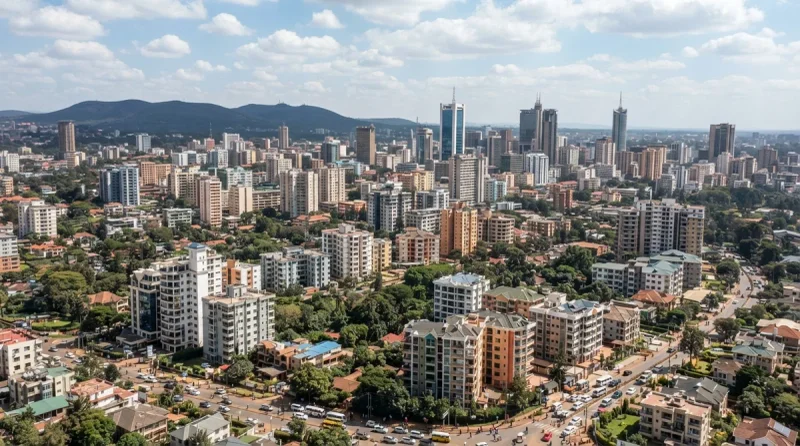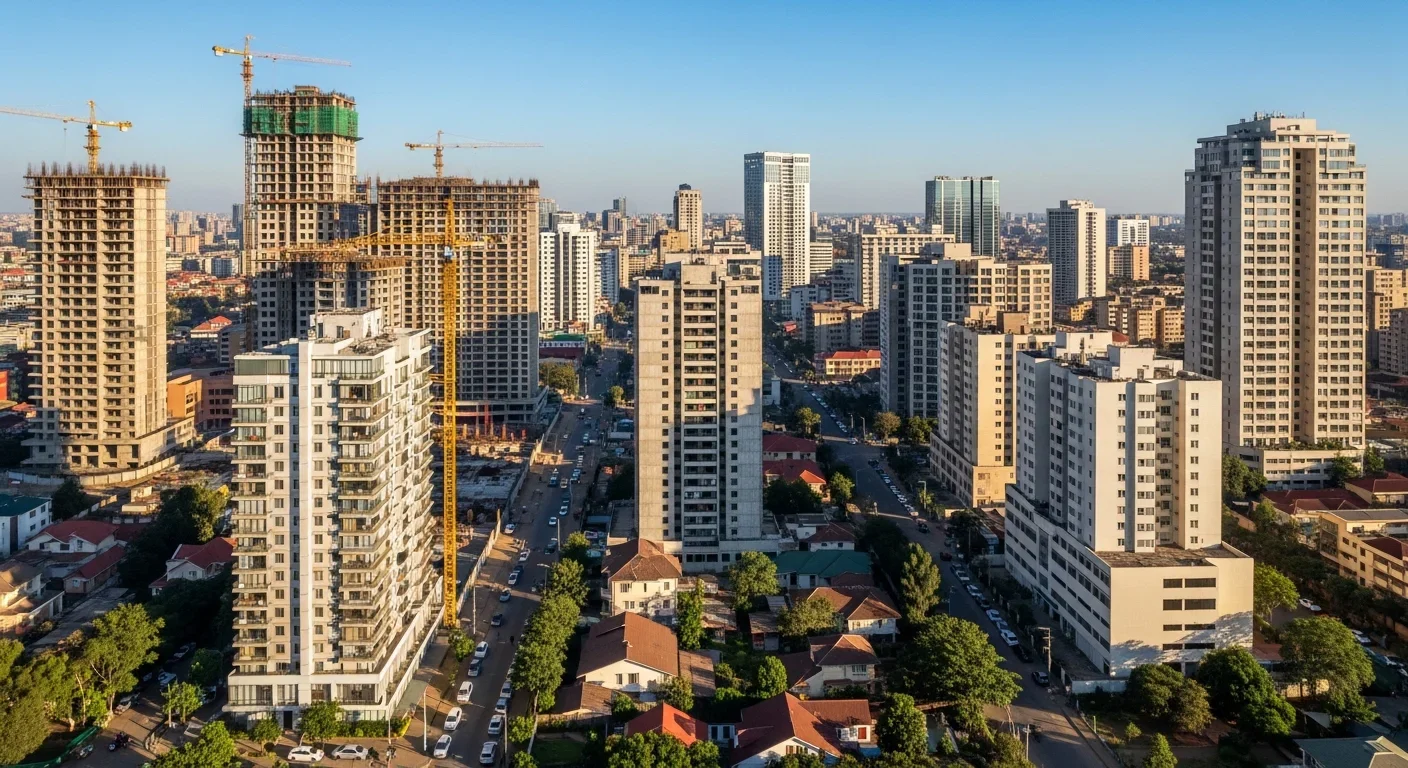
- Kilimani, once a relatively quiet neighbourhood with shorter apartment complexes standing a few metres apart, is now home to towering high-rise developments.
- Due to convenience, its strategic location and proximity to key amenities, there is no doubt that Kilimani is still one of Nairobi’s most attractive places to live.
- For those who have lived in Kilimani for years, especially those who moved there for peace and privacy, this shift is becoming more noticeable.
- Either way, one thing is clear, something has to give. In Kilimani’s case, that trade-off is becoming more visible every day.
Kilimani, once a relatively quiet neighbourhood with shorter apartment complexes standing a few metres apart, is now home to towering high-rise developments. The peace residents once enjoyed has gradually been replaced by the constant sounds of construction. At times, it feels as though there is a construction site every few metres. For many, Kilimani is increasingly beginning to feel like one large construction zone.
Over the past few years, Kenya’s real estate industry has experienced exponential growth, with population growth in urban centres being one of the biggest drivers. Investors have moved quickly to fill this demand, and today it is not uncommon to find apartment complexes in Kilimani rising up to 20 storeys.
While speaking at a church event last year, Nairobi Governor Johnson Sakaja noted that the only way to accommodate the growing population was by “building up.” This reality is now clearly visible in Kilimani. Spaces that once hosted standalone homes are steadily giving way to tall apartment complexes. Many residents who once enjoyed the peace and privacy of their retirement homes are now opting to sell to eager developers.
So, is Kilimani still the dream address?
READ ALSO: Unravelling the Property Boom in Kilimani: An Insider’s Perspective
Table of Contents
The Price of Progress
Due to convenience, its strategic location and proximity to key amenities, there is no doubt that Kilimani is still one of Nairobi’s most attractive places to live. For many people, this is reason enough to consider the area, and it is what has continued to keep demand high.
But with all this growth comes a question many residents are beginning to ask: is it still comfortable to actually live there?
The truth is, the same development that has made Kilimani so attractive is also changing the day-to-day experience of living in the area. In many parts, construction noise has become a daily reality. Most residents now complain of interrupted sleep, a lack of the peace & quiet they once enjoyed and the looming health risk this poses to them and their families.
In addition, there is significant pressure this growth is putting on the area’s shared amenities. Roads are busier, traffic is heavier, and parking is becoming more difficult. In the long run, key amenities like water and power are going to be affected. Compared to the neighbourhood’s original low-density blueprint, I think it’s safe to say that Kiliman is becoming overloaded.
For those who have lived in Kilimani for years, especially those who moved there for peace and privacy, this shift is becoming more noticeable. It raises an important question: is Kilimani still a place people choose for their lifestyle, or has it become more about investment and convenience?
Growth is important, but so is the quality of life for the people who call the area home.
So, Is Kilimani Still the Dream Address?
Whether or not Kilimani is a dream address really depends on what your needs are as an individual.
For young professionals looking for a location with great proximity to the Central Business District and easy access to key amenities, Kilimani still makes a lot of sense. It is convenient, central, and keeps you close to almost everything you need.
However, if what you are looking for is a quiet environment with more space, greenery, and a slower pace of life, then you may need to look further away from the city and be prepared to take on higher transportation costs.
Either way, one thing is clear, something has to give. In Kilimani’s case, that trade-off is becoming more visible every day.
READ ALSO: Living in Kilimani: Trendy, Pricey, or Just Overrated?